

In an innovative stride for railway resilience, AtkinsRéalis introduces the Washout Vulnerability Assessment (WVA) tool, designed to mitigate the risks from washouts. This ground-breaking tool promises a significant transformation in managing railway infrastructures amidst climate change challenges.
- The WVA tool is the first analytical method to quantitively assess washout risks, crucial after the Stonehaven derailment highlighted existing vulnerabilities.
- Utilising advanced modelling and Lidar data, the tool analyses topography and drainage, offering user-friendly outputs for decision-making.
- Tested across multiple UK railway regions, the tool boasts a 70% accuracy in pinpointing high-risk areas, aiding strategic intervention planning.
- This development aligns with Network Rail’s £2.8bn climate resilience investment, marking a proactive shift from reactive to preventative maintenance strategies.
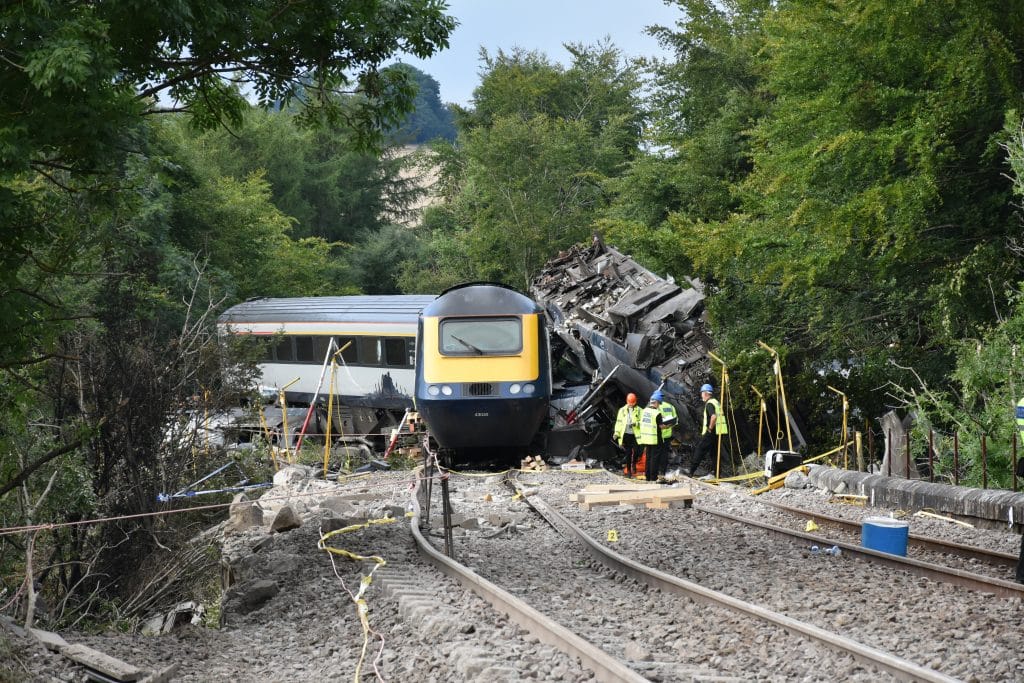
In an innovative stride for enhancing railway resilience, AtkinsRéalis has developed the Washout Vulnerability Assessment (WVA) tool for Network Rail. This tool aims to significantly mitigate the risks posed by washouts, which are triggered by heavy rainfall events leading to shallow land movements. These developments come as part of heightened efforts to improve drainage management post the Stonehaven derailment in Aberdeenshire, a pivotal incident that uncovered considerable gaps in the understanding and management of drainage assets against extreme weather conditions.
The WVA tool is distinguished as the first analytical method capable of quantitively assessing the risk of washout failures. It leverages advanced modelling techniques and Lidar (Light Detection and Ranging) data to conduct rapid assessments over extensive railway sections. This analytical prowess is especially crucial as it allows Network Rail to gain a comprehensive view of its drainage assets, which is vital for preventing washout failures.
A key feature of the tool is its ability to automate the analysis of topography, drainage, and geological conditions, even in areas with minimal visible signs of potential failure. The tool’s user-friendly visual outputs aid decision-makers by highlighting ‘quick wins’ – small interventions that can substantially reduce risks. It also simulates impacts of varying rainfall intensities and integrates seamlessly with Network Rail’s existing asset data, thereby enhancing its utility in strategic planning and maintenance.
The tool has undergone trials from late 2021 to early 2024 across several 16km sections of railways in diverse regions, including areas near Milton Keynes, the Yorkshire Dales, and the Northwest. Its phased deployment and ongoing refinements have enabled it to successfully identify specific high-risk locations, allowing for more strategic and data-driven planning of maintenance and renewal activities. AtkinsRéalis has reported an initial accuracy rate of 70% in identifying existing defects and potential failures.
This tool represents a step-change in the assessment capabilities for washout risks, combining cutting-edge computational modelling and geospatial analysis with railway engineering expertise into a digital platform. The automated, data-driven approach empowers rapid analysis over large areas, which traditional methods cannot practically achieve. Its ability to model different rainfall intensities provides Network Rail with essential insights into how their assets might fare under future climate scenarios.
Looking forward, Network Rail has committed to bolstering the resilience of its 32,000km track, with a planned expenditure of £2.8bn over the next five years aimed at improving the infrastructure’s capacity to withstand extreme weather.Compounded by climate change, the frequency and severity of such events necessitate digital solutions like the Washout tool to sustain operations and minimise disruptions.
The Washout Vulnerability Assessment tool exemplifies a pivotal advancement in railway resilience, offering a digital solution to combat climate-related challenges effectively.

