
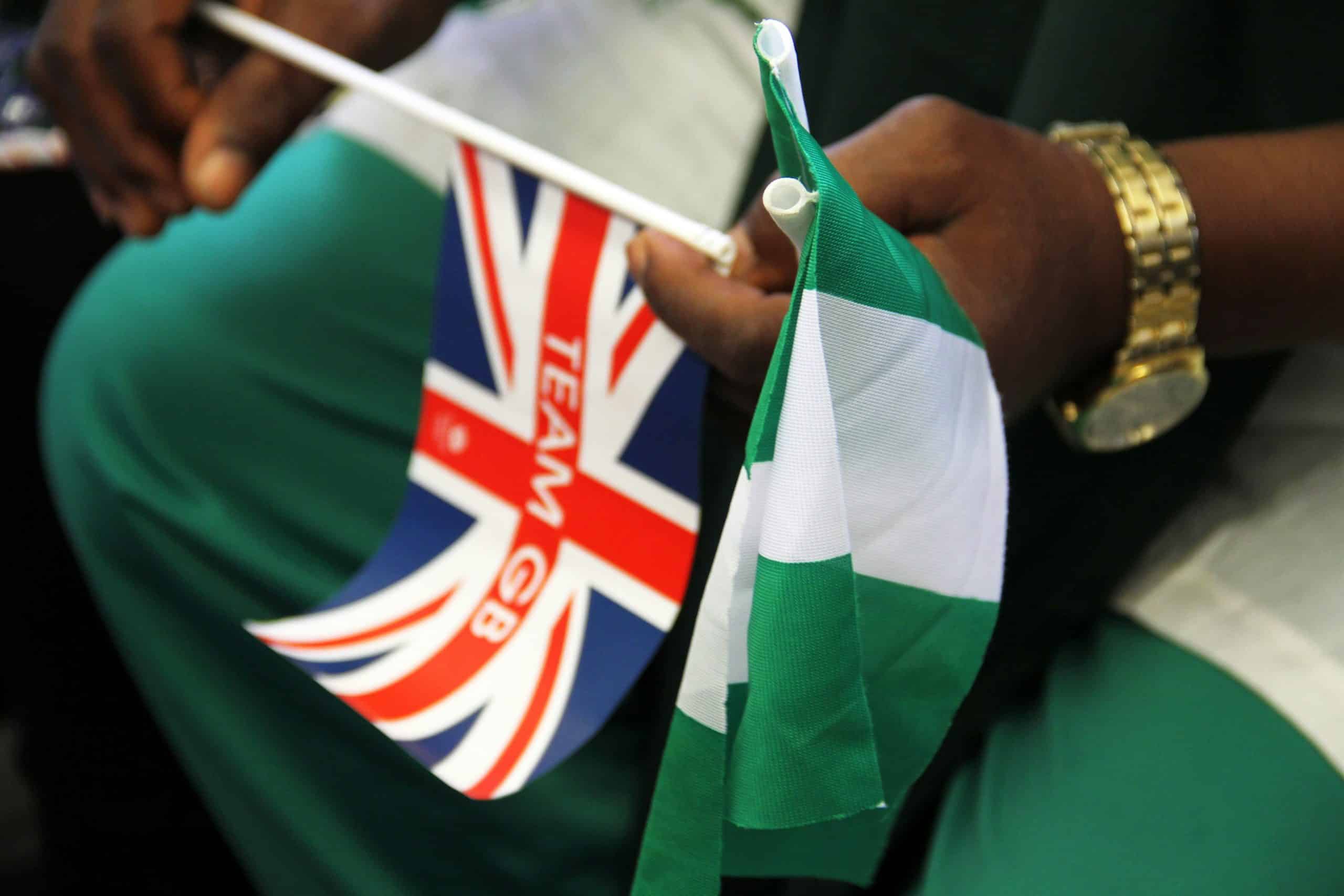

Should athletes representing their country have the same statutory leave rights as jurors or military reservists?
- The topic has gained prominence due to scheduling conflicts during the Paris Olympics and the upcoming Paralympics.
- Many athletes face difficulties negotiating time off for international competitions, fearing denial.
- Legal experts suggest that employment contracts could be more flexible to accommodate athletes.
- Proactive communication between athletes and employers is advocated to better manage sporting commitments.
The question of whether athletes competing internationally should be afforded similar statutory leave rights as jurors or military reservists is gaining traction. The issue has been amplified by the ongoing Paris Olympics and the impending Paralympic games, events that highlight the scheduling conflicts faced by athletes with full-time employment.
Athletes frequently encounter challenges in securing time off necessary for international competitions, with many concerned that their requests might be denied. This fear often discourages them from even attempting to negotiate, although approval might be possible if sought. Such situations complicate athletes’ ability to commit fully to their sporting responsibilities.
Legal professionals such as Mark Callaghan from a renowned employment law firm propose that employment contracts could benefit from increased flexibility. He suggests that modifying these contracts to alleviate exclusivity clauses restricting external professional engagements might serve as a viable solution. Additionally, drafting official policies for sporting leave is recommended.
Mark Callaghan points out that the majority of full-time employees have contract clauses that either prevent or require employer consent for external fee-earning activities. This is a common practice to prevent conflicts of interest with clauses like the ‘outside interest’ clause. He argues for a statutory provision akin to those in place for jury service or military reserves to support athletes.
Senior Associate Chris Coombes echoes these sentiments, highlighting the impracticality faced by many world-class athletes who cannot solely rely on sports for their livelihood. These athletes often depend on employer goodwill or use personal leave allowances to meet their training and competition requirements.
Coombes further notes that the current system is inconsistent, reliant on individual employer flexibility. He observes that while some employers offer considerable support, others lack the willingness or ability to accommodate sporting commitments. If the goal is to support increased participation in elite sports, introducing statutory leave for Olympians could be a forward-thinking measure.
In the interim, it is deemed essential for athletes and employers to engage in open discussions about sporting schedules during contract negotiations. By planning ahead, the potential for securing necessary time off can be significantly enhanced, ensuring athletes meet their international duties without undue stress.
This ongoing debate underscores the necessity for balanced solutions that accommodate both athletes and employers.

