
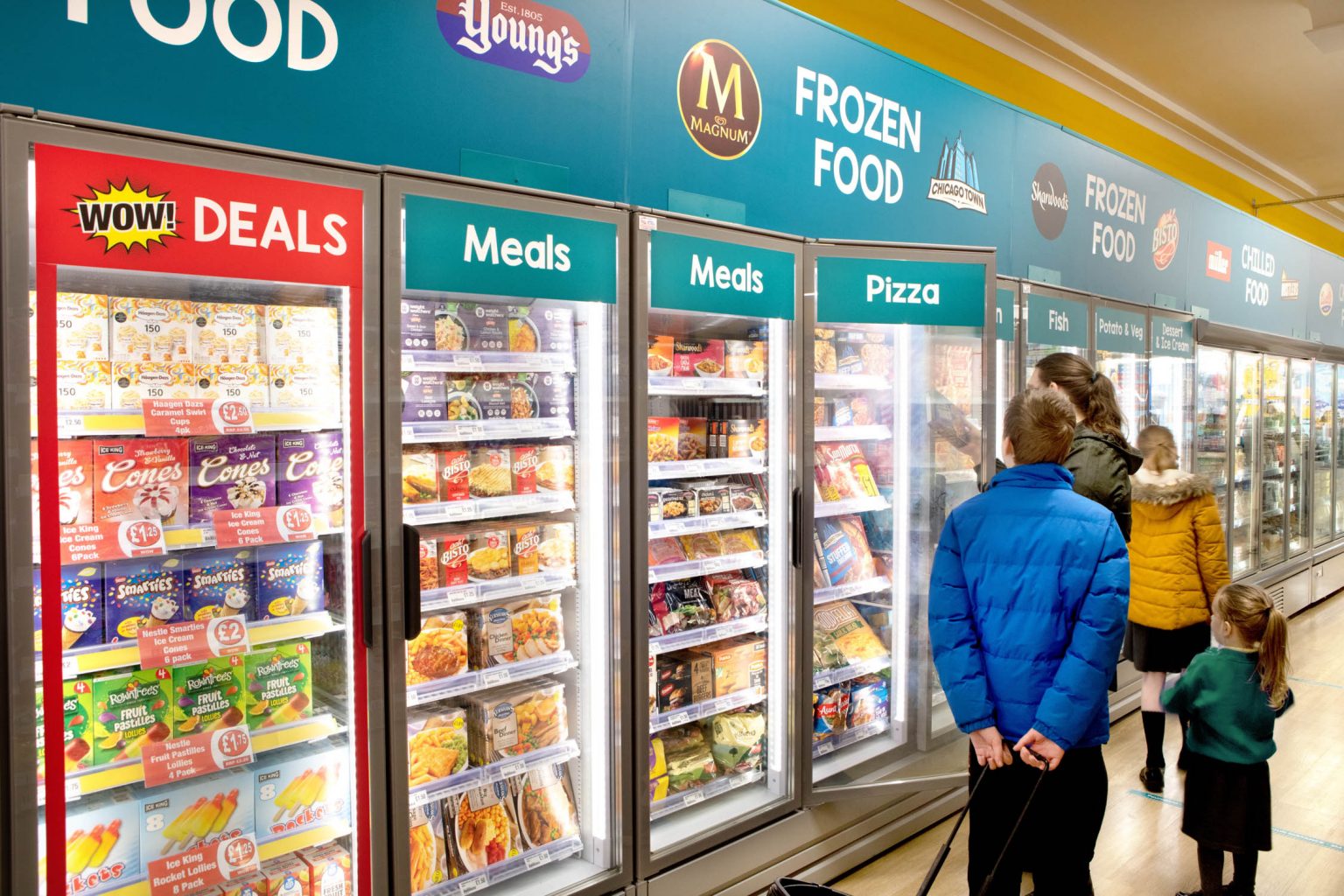

Discount retailers like Poundland and B&M are making significant strides into the grocery sector, challenging established supermarkets. Their strategic expansions are changing the competitive landscape.
Poundland and B&M are leveraging their strengths in pricing to attract budget-conscious consumers, venturing into fresh and frozen food categories to broaden their appeal.
Discounters such as Poundland, Home Bargains, and B&M are not just dabbling in groceries; they are venturing into both fresh and frozen categories. This strategic push is aimed at increasing their market presence and diversifying shopper missions as noted by analyst Nick Gladding.
Poundland initiated its grocery expansion in February 2022, launching fresh products and entering the chilled food category. By August 2022, they introduced meats and fish, solidifying their presence in the grocery domain.
The UK grocery market, lauded as highly competitive, presents both challenges and opportunities for discounters. Retail analyst Nick Gladding highlights that food acts as a key footfall driver, motivating these discounters to enhance their grocery offerings.
As discounters roll out a comprehensive grocery range, including bakery items and fresh produce, they effectively engage more shoppers, thereby driving overall store revenue.
Economic downturns are reshaping consumer habits significantly.
The cost-of-living crisis has notably driven consumers towards discounters. Bryan Roberts of IGD notes that discounters have become a go-to for budget shoppers, offering low prices and diverse product ranges.
Poundland and others have seen increased shopper frequency and basket sizes, as consumers explore the full scope of available groceries. This trend is expected to continue even as economic conditions stabilize.
Supermarkets are acutely aware of the encroachment by discounters on their territory.
In a strategic response, grocery giants like Asda have initiated price-matching strategies against discounters like Home Bargains. This tactic aims to retain customer loyalty, though it risks drawing attention to the competitive pricing of discounters.
While Asda aims to counteract the influence of discounters, experts suggest focusing on distinct advantages like loyalty programs could be more effective.
As discounters expand, traditional independent retailers could face significant challenges.
Independent and convenience stores, often with higher prices, may lose customers to discounters offering lower prices and better value.
The availability of competitively priced fresh and frozen foods in discounters might shift consumer preferences permanently, affecting smaller retailers.
Discounters’ grocery foray is poised to redefine market dynamics and consumer spending patterns.
While supermarkets and independents devise strategies to counteract this shift, the long-term effects of discounter expansions are yet to be fully realised.
With strategic expansions into grocery, discounters are reshaping the retail landscape by challenging traditional supermarkets and independents alike.
Their continued growth in the grocery sector reflects both consumer demand and a shifting market focus, suggesting long-term impacts.

