
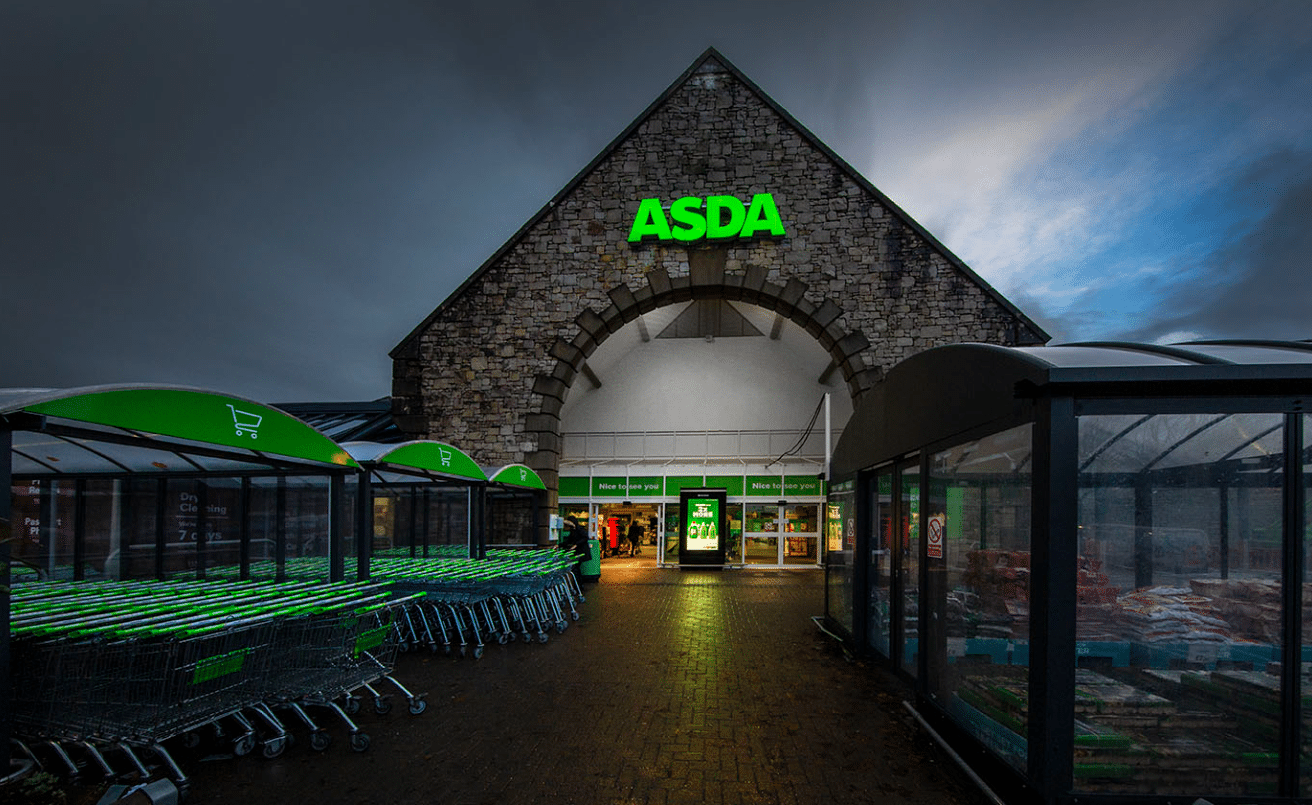

Recent data shows a slowdown in grocery sales across UK supermarkets, with Asda particularly affected.
- Shopper spending has decreased, despite slowing inflation, ahead of Christmas and Black Friday.
- Confectionery sales have risen sharply, while sales of alcoholic beverages have dropped.
- Supermarkets are gearing up for Christmas promotions to entice cautious consumers.
- Ocado, Lidl, and M&S lead the market with significant sales growth.
In the run-up to the Christmas season, UK supermarkets have reported a general slowdown in grocery sales growth, with Asda notably falling behind its competitors. According to the latest figures, total till sales in the four weeks leading up to 2 November 2024 increased by 4%, down from 4.7% in the previous month. This downturn highlights a careful spending pattern among consumers, who are possibly saving for upcoming festive seasons and Black Friday deals.
Amidst a backdrop of easing inflation, consumers have reduced their average spending per shopping trip by 6% year-on-year, bringing the typical expenditure down to £18.67. Mike Watkins, the UK head of retailer and business insight at NIQ, commented on the recent trends, noting that customers are being cautious in their spending on groceries, choosing to reserve their finances potentially to indulge in holiday treats and seasonal purchases. He also pointed out that about half of UK households continue to feel financial pressure, prompting a more conservative approach to shopping.
Interestingly, while spending on essentials has slowed, confectionery items have seen a significant increase in sales, up by 10.5%. This rise indicates consumers are prioritising purchases for events like Halloween and the upcoming Christmas celebrations. Conversely, the sales of beer, wine, and spirits have experienced a minor decline of 0.4%, suggesting that consumers might be delaying these purchases until closer to the festive dates.
As supermarkets anticipate the holiday rush, the commencement of Christmas advertising campaigns presents opportunities for the retail sector to attract consumers. There is an expectation that more shoppers might opt to enjoy festivities at home, which could lead to increased spending on premium private label foods and beverages, areas that are projected to perform well in the upcoming period.
When observing different supermarket performances over the last quarter, Ocado emerged as the fastest-growing retailer with a notable 16.1% increase in sales, followed by Lidl and M&S with rises of 11.9% and 11.4%, respectively. In contrast, Tesco and Sainsbury’s also witnessed growth, although at a more modest pace of around 4.7% and 4.6%, respectively. Meanwhile, Asda recorded a 3.5% drop in sales alongside a one percentage point decrease in market share over the previous year.
The dynamics of consumer spending reveal a complex landscape where budgetary restraint and selective splurging coexist, challenging retailers to navigate the festive period strategically.

