

April light in a British garden has a certain quality that makes every task feel both urgent and incredibly fulfilling. It is low in the morning, warming by noon, and disappearing too quickly by evening. The tulips have emerged. For those fleeting, almost unfairly lovely weeks, the cherry blossom is doing what it does. And somewhere beneath it all, the soil is at last starting to warm in a significant way. More than any other month, April is when a garden either begins to grow toward summer or begins to lag behind in ways that are hard to overcome. Decisions made on a cloudy Tuesday in mid-April, when it would have been easier to stay inside, frequently determine whether a garden is successful in July or not.
Most people don’t realize how much of a presence the frost still has. In many parts of the UK, temperatures can drop below zero well into early May, and any delicate seedlings placed outside too early will just not make it. Moving young plants outside during the day and bringing them back inside at night is the hardening off process, which takes seven to ten days and necessitates a routine that people with hectic schedules often neglect. Rushing it is tempting. Within 48 hours of a cold snap, the effects of hurrying it become apparent. Here, patience is a practical necessity to avoid losing weeks of propagation work overnight rather than an abstract virtue.
| April Gardening in the UK — Key Reference Information | |
|---|---|
| Season | Mid-spring — frost still possible until mid-May in most UK regions |
| Soil Temperature | Warming but variable; suitable for direct sowing hardy crops outdoors |
| Average Daylight Hours (April UK) | Increasing toward 14+ hours by end of month |
| Frost Risk | Remains across most of the UK until mid-May — tender plants still at risk |
| Key Outdoor Sowing Crops | Carrots, beetroot, peas, broad beans, radishes, lettuce, spinach |
| Tender Veg to Sow Indoors (from mid-April) | Tomatoes, cucumbers, courgettes, squash, sweetcorn, basil |
| Key Planting Jobs | Potatoes, garlic, sweet peas, summer-flowering bulbs (gladioli, dahlias) |
| Lawn Care | First mow when grass reaches 5–7cm; apply spring feed; repair bare patches |
| Spring Bulb Care | Deadhead daffodils behind seed pod; feed with tomato fertiliser; do not cut leaves |
| Greenhouse Priority | Ventilate daily — temperatures can swing from 5°C to 25°C in the same day |
| Hardening Off Period | 7–10 days — outdoors during the day, indoors at night |
| Key Pruning Jobs | Prune spring-flowering shrubs after blooms fade; last chance for climbing roses |
| Authority Reference | RHS April Gardening Advice |
| Seasonal Guide | BBC Gardeners’ World April Jobs |
Potatoes are arguably the most urgent task of the month and the one that benefits from some methodical consideration. Potatoes were planted eye side up, about 30 centimeters apart, in a trench that was about six inches deep in the open ground, covered, and watered. It’s fairly easy. However, containers also work well for people who don’t have a vegetable bed, such as those who live in apartments with balconies or have small terraced gardens in northern cities. They start with a few inches of compost at the bottom of a bucket, four tubers per bucket, covered, and allowed to grow. Garlic can be added simultaneously, with cloves spaced ten centimeters apart and ten centimeters deep—roughly the width of an adult hand. Neither calls for specific expertise. Instead of waiting three weeks, both rewards are being completed now.
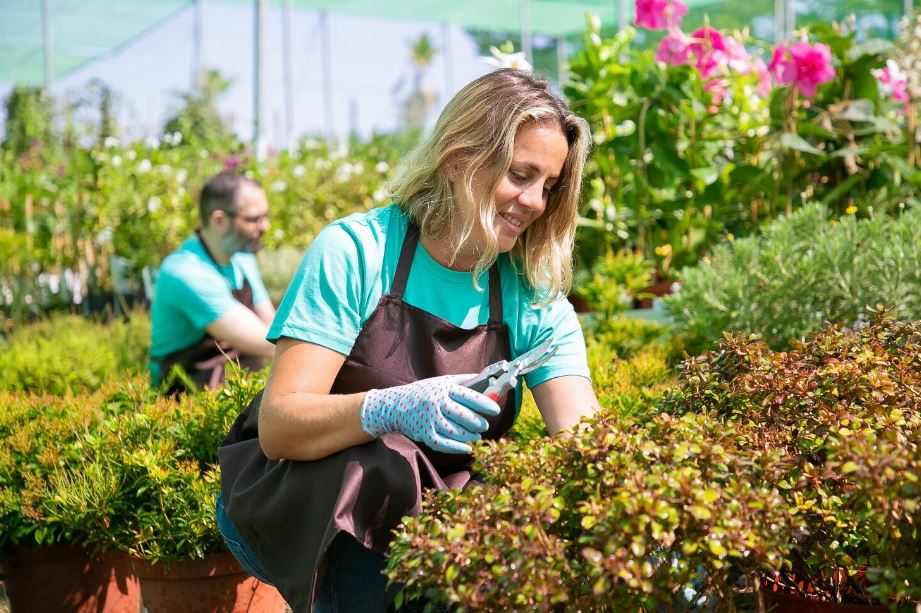
It’s worth taking a moment to consider the seed-sowing question. Tender vegetables, such as tomatoes, cucumbers, courgettes, squash, and sweetcorn, can be started indoors starting in mid-April, but not much earlier. The timing is crucial because plants that are sown too soon will be ready to go outside before it’s safe for them to do so, which will cause them to become stressed and lethargic while sitting in pots with insufficient indoor light. Outside, hardy crops like beetroot and radishes germinate fast enough to provide a small psychological reward in a matter of days, which is not insignificant when gardening calls for consistent motivation over an extended season. In milder regions of the nation, lettuce, carrots, and spinach can now be planted directly in the ground, with cloches or fleece offering helpful protection against chilly nights.
This month, spring bulbs require special attention that is often overlooked. When deadheading daffodils, it’s important to cut behind the seed pod rather than just removing the flower head. If the plant is allowed to set seed, it will focus its energy on reproduction instead of the bulb, which will negatively impact the display next spring. Since the leaves are still using photosynthesis to feed the bulb, they must remain on the plant until they naturally turn yellow. Bulb performance the following year is significantly impacted by applying a tomato fertilizer at this point. Ten minutes in a border with a watering can is a small task that yields profits for a full year.
When the grass reaches five to seven centimeters, the lawn needs to be properly cut for the first time. The blades should be set high to prevent scalping the turf. Growth will be strengthened through May and June if a nitrogen-rich spring feed is applied now. If the seed is kept moist during germination, it can be used to fill in any exposed areas. When weeds are small, they are easiest to manage. In dry weather, they can be hoed, and when the soil is sufficiently moist to release roots cleanly, they can be pulled by hand. Before the May bank holidays restore the appeal of outdoor dining, the patio, if it has been sitting through the winter, usually needs a cleaning.
It’s difficult to put into words, but there’s a sense of being both slightly ahead and slightly behind in April. As is probably always the case, the garden is progressing both more quickly and more slowly than anticipated. The difference between the garden that gets to build on itself and the one that spends May catching up is that the major tasks should be completed this week rather than next.
