
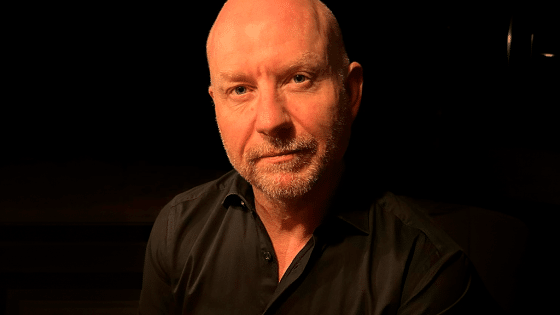

Andre Redinger’s ambitious attempt to buy ISG collapsed, citing financial discrepancies as the key impediment.
- Redinger was drawn to ISG as a stable entity within the UK’s robust economy, despite his South African business roots.
- Negotiations with ISG involved complex financial evaluations, ultimately revealing greater capital needs than anticipated.
- Redinger presented a revised offer in August, which was not accepted by ISG, leading to further complications.
- Redinger’s plans for ISG included innovative changes, but the deal’s failure left 2,000 employees jobless, a result he regrets.
As Andre Redinger reflects on the failed acquisition of ISG, he highlights financial ambiguities as the primary obstacle. His interest in ISG was piqued by its potential within the relatively stable UK economy, contrasting with the volatile South African Rand. Despite lacking experience in the UK construction sector, Redinger saw the opportunity for innovation and growth in ISG.
Initiated in February, discussions with William Harrison III, the CEO of ISG’s owner Cathexis, were aimed at establishing a purchase agreement. The proposed acquisition was set to be funded through a mix of private resources and bank credits. However, as the due diligence process unfolded, involving an expenditure exceeding £3 million, Redinger’s team recognised escalating capital requirements to stabilise ISG.
On unearthing financial constraints, such as intercompany loans and inadequate revenue to cover trade commitments, Redinger found ISG’s growth hampered by its financial ties to Cathexis, limiting its ability to independently secure funds. The resulting situation forced ISG to lean heavily on subcontractors for financial sustenance, a common yet concerning practice in the UK construction landscape.
By August, Redinger had proposed a revised offer reflecting his findings, but this was met with resistance from ISG’s side. Communications dwindled, with Redinger noting a significant change in engagement from the ISG representatives. Meanwhile, statements from EY, the appointed administrators, highlighted the inability of Redinger to demonstrate sufficient funding to support his bid, disputing his narrative.
Redinger had envisioned a comprehensive turnaround strategy, involving both leadership changes and enhanced employee wellbeing initiatives, inspired by his experiences within South African socio-economic frameworks. He expresses particular concern for ISG’s 2,000 employees now facing unemployment, acknowledging their dedication and the community ethos prevalent at each work site.
The collapse of Andre Redinger’s plans to acquire ISG is a cautionary tale of financial complexities and the human cost of corporate negotiations.

