
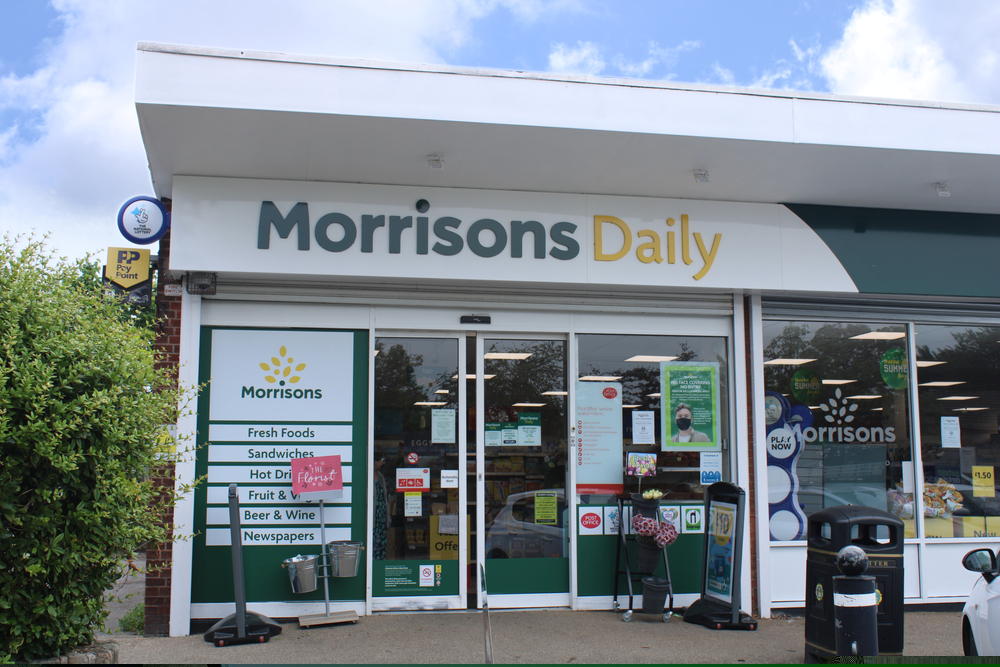

A recent study by Which? has spotlighted the notable price differences in supermarket convenience stores. Shoppers at these smaller outlets spend much more than those patronising full-sized stores.
These findings raise concerns regarding the pricing strategies employed by large supermarket chains, particularly affecting those dependent on local convenience shopping. The analysis emphasises the financial impact on consumers’ annual spending.
Price Discrepancies in Convenience Stores
A recent analysis conducted by Which? reveals that shopping at supermarket convenience stores can be significantly more expensive compared to their larger counterparts. Customers visiting Morrisons Daily, Sainsbury’s Local, and Tesco Express are paying higher prices for common grocery items. The price hike at Morrisons Daily is particularly noticeable, with customers spending up to 21% more on the same products. Such discrepancies raise questions about the pricing strategies of these smaller outlets.
Impact of Loyalty Schemes
The study also highlights that loyalty schemes are not advantageous at smaller stores.
Morrisons’ More card, for example, is not available at its Daily outlets, potentially leading to customers paying up to 22% more.
Similarly, Tesco Clubcard and Sainsbury’s Nectar schemes show limited benefits at these compact locations.
Tesco and Sainsbury’s Price Comparison
While the average price difference at Tesco’s Express stores stands at 10%, Sainsbury’s Local shows a 5% increase.
This discrepancy could be greater for those enrolled in loyalty programmes.
Tesco Clubcard members might pay 11% more in Express stores, whereas Sainsbury’s Nectar users may face a 14% surge in prices.
Consumer Reliance on Convenience Stores
Many consumers depend on convenience stores due to lack of transport or digital shopping options.
Retail editor Ele Clark notes that while convenience stores offer operational simplicity, regular shoppers end up incurring substantial costs over a year compared to larger supermarkets.
Convenience is often a necessity rather than a choice for some shoppers.
Larger supermarkets might offer more savings, they are less accessible for individuals without easy transportation or online purchasing means.
Retailers’ Justification for Price Differences
Retailers argue these price differences stem from varying consumer buying patterns in smaller stores.
Tesco explains that its loyalty offers in Express stores are designed for varied shopping needs, while Morrisons is working on extending its More card benefits to Daily stores.
This evidence suggests that the price strategies are tailored to specific consumer demands.
Despite explanations, such pricing practices continue to prompt discussions about fairness and transparency.
Consumers and analysts alike question the justification of higher costs in outlets that are primarily meant to offer convenience.
Future Moves by Supermarket Chains
Morrisons stated it is actively working on introducing the More card to its Daily branches soon.
Such initiatives indicate supermarket chains are recognising the need to align smaller store benefits with those of larger supermarkets.
This potential integration could mitigate the financial burden for loyal customers frequenting smaller outlets.
The planned introduction of such benefits signifies a shift towards making shopping more equitable across all store formats.
Consumers can thus anticipate a more balanced approach to pricing strategies.
Conclusion on Pricing Disparities
In conclusion, the analysis by Which? underscores significant pricing disparities at convenience stores compared to larger supermarket branches.
While convenience is the key selling point, the resultant financial strain on regular shoppers cannot be overlooked.
The Which? study highlights a significant issue in retail pricing strategies, notably the cost disparity customers face at convenience stores. Moving forward, the introduction of loyalty benefits at these smaller locations could ease customer expenses.
Shoppers are encouraged to be discerning, leveraging available loyalty schemes and shopping options to mitigate these additional costs. The ongoing dialogue between retailers and consumers concerning pricing fairness remains crucial.

