
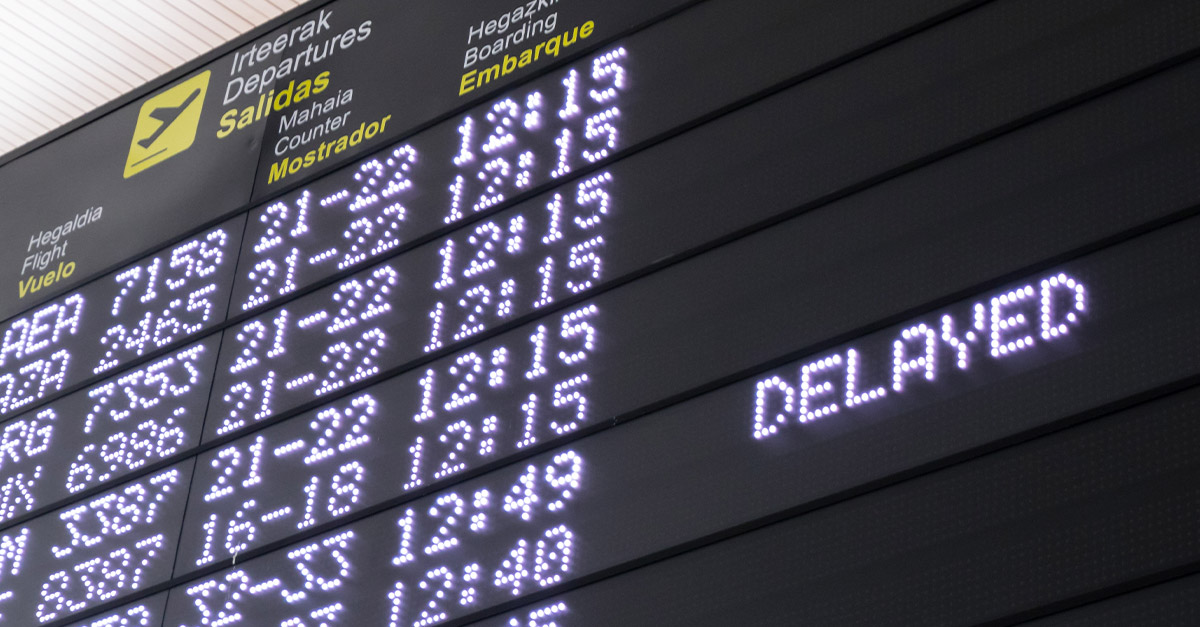

The newly released rankings on UK flight delays bring essential insights for travellers. With Wizz Air topping the delay list, punctuality emerges as a critical factor for passengers.
The rankings rely on a vast dataset from the Civil Aviation Authority, covering thousands of flights, ensuring comprehensive reflection of the current landscape.
Understanding the Rankings in Flight Delays
The release of the latest UK flight delay rankings offers eye-opening insights into airline punctuality. Recent analysis of Civil Aviation Authority data reveals Wizz Air as the airline with the longest average delays for 2023, averaging over 31 minutes per flight. This new analysis included a wide array of scheduled and chartered flights from UK airports. Airlines with more than 2,500 flights were part of this study, ensuring a comprehensive overview. Turkish Airlines, Tui, and Air India followed closely behind Wizz Air, reflecting a significant challenge in maintaining timely departures for passengers.
Jet2.com Leads in Timeliness
In a clear contrast, Jet2.com emerged as the most punctual UK short-haul airline with notably fewer delays, boasting an average delay time of just 17 minutes and 48 seconds. Despite managing a hefty flight schedule, often exceeding 3,000 flights a week during peak seasons, Jet2 maintained its punctuality impressively. The airline’s consistent investment in operational effectiveness, including flight planning and ground handling, plays a pivotal role in this achievement. The airline’s Chief Executive, Steve Heapy, emphasised their commitment to customer satisfaction and operational excellence as key contributing factors to their success.
Outstanding Performers in the UK Airlines
Virgin Atlantic also marked itself as a top-performing UK carrier, with average delays of 13 minutes and 42 seconds. This sets a contrasting benchmark to British Airways and EasyJet, which recorded slightly longer delays of over 21 minutes each. Meanwhile, Emerald Airlines, functioning as Aer Lingus’ regional partner, topped the chart with an impressive average delay of just over 13 minutes. Such performance highlights the disparities within airline operations and prompts a deeper evaluation of factors influencing operational efficiencies and customer satisfaction.
Deep Dive into the Delay Statistics
The rankings also detail other airlines based on their average delay times. Turkish Airlines, Tui, and Air India follow closely behind Wizz Air, each with delays exceeding 28 minutes per flight. Notably, Air Portugal, Vueling, and Swiss Airlines also reported delays, albeit under 24 minutes on average. Such detailed rankings are imperative for passengers who prioritise timeliness when choosing airlines. The distinction between high and low performers underscores the varying operational standards and challenges faced by each airline in maintaining schedules. Timely departures and customer experience are critical in this competitive airline industry.
Highlights from Chief Executive Statements
Jet2’s chief executive, Steve Heapy, credited their stellar punctuality to intensive investment in operational strategies. “We flew millions of customers away to enjoy their well-deserved holidays in 2023 and this exhaustive data shows that we outperformed our competitors when it came to getting them away on time,” he stated enthusiastically. This strategic focus on operational excellence and customer service perhaps illustrates why Jet2 maintains its leading position. The airline’s focus on maintenance, engineering, and effective flight planning has driven notable enhancements in punctuality metrics. This focus remains integral for continued success.
Impact of Delays on Customer Choices
Flight delays inevitably influence customer choices, with many travellers opting for airlines known for their punctuality, like Jet2 and Emerald Airlines. With detailed reports now accessible, passengers can make informed decisions based on airline performance. This transparency not only benefits travellers but also exerts pressure on airlines to enhance their operational efficiencies. Trust is a crucial factor in customer loyalty, and airlines with superior rankings in punctuality are likely to see a positive impact on their customer base, thus affecting the competitive dynamics in the aviation industry.
Final Thoughts on Airline Punctuality
The rankings provided in this analysis are invaluable for both airlines and passengers, offering detailed insights into airline performance in terms of punctuality. By showcasing the operational efficiencies and inefficiencies, these rankings not only guide passenger choices but also encourage airlines to strive for better performance on their flights.
Understanding these rankings empowers travellers with knowledge, emphasising punctuality’s role in decision-making. This ongoing evaluation encourages airlines to innovatively improve operational standards.

