
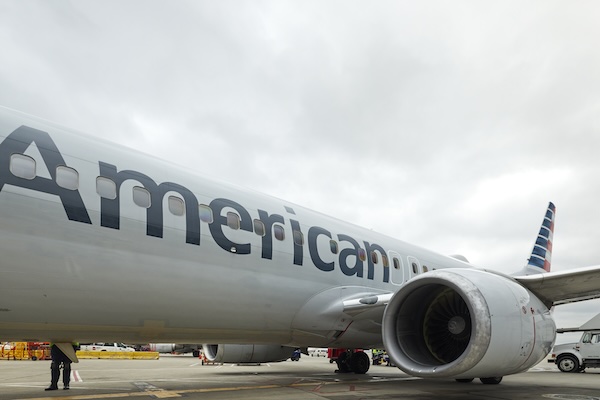

American Airlines is redefining its approach to the New Distribution Capability (NDC) amid substantial commercial challenges. The airline’s ongoing efforts to enhance booking processes have faced scrutiny after a decline in sales via conventional channels.
Despite initial ambitions to streamline processes, the implementation of the NDC policy did not meet expectations, leading to a strategic reassessment. American Airlines is now focused on resolving these issues to restore confidence among stakeholders.
Challenges Facing American Airlines
American Airlines is facing significant challenges with its recently adopted New Distribution Capability (NDC) policy. Initiated last April, the strategy removed over 40% of fares from Global Distribution Systems (GDSs), creating hurdles in accessibility and convenience for consumers and travel agents alike. This move, while innovative, led to a notable drop in sales from the trade, undermining the airline’s financial projections and straining relationships with travel agencies.
The intention behind this strategy was to streamline bookings and enhance direct customer engagement. However, the execution fell short of its ambition. As Robert Isom, the chief executive, candidly acknowledged, ‘We moved faster than we should, and we didn’t execute well’. The airline’s abrupt shift away from conventional sales channels to exclusive NDC platforms has not only decreased revenue but also provoked dissatisfaction among business travellers and partner agencies.
Strategic Adjustments and Leadership Changes
In response to these setbacks, American Airlines is now poised to adjust its NDC strategy. The company is endeavouring to modify its approach to include more incentives for customers and partners. By acknowledging the previous challenges, there is now a focused effort to ensure that the airline’s products are broadly accessible to potential buyers, regardless of their chosen purchasing platform.
A significant reorganisation is underway within the airline’s leadership. Vasu Raja, the chief commercial officer who strongly advocated for the NDC plan, is set to depart next month. This departure marks what CEO Robert Isom describes as ‘a reset’, indicating an acknowledgment of the need for a strategic pivot. With these leadership changes, American Airlines aims to refine its distribution strategy to mend ties with its agency and corporate communities.
Financial Implications
The financial repercussions of the NDC rollout have been substantial. American Airlines revealed that second-quarter operating earnings are expected to fall short by several hundred million dollars. This projection is a direct result of misjudged market reception and the complications brought about by the new booking strategy.
Notably, the company’s guidance on earnings per share has been revised downwards. Initially, estimates ranged from $1.15 to $1.45 per share, but current forecasts anticipate earnings between $1 and $1.15. This adjustment reflects both internal challenges and broader industry trends that are affecting the carrier’s profitability.
Furthermore, American Airlines’ decision to abandon certain aspects of its loyalty programme revamp demonstrates its commitment to reinstating customer trust. By refraining from penalising bookings made outside preferred NDC channels, the airline is striving to mitigate customer confusion and enhance user experience.
Impact on Market Strategy
American Airlines’ strategy to leverage NDC technology was initially seen as a bold move towards the future of airline distribution. However, the complications encountered necessitate a reevaluation of the airline’s market strategy. The challenge remains to balance innovation with the practical needs and expectations of consumers, especially in a competitive marketplace.
By learning from these recent experiences, the airline is in a position to rethink its market approach. The focus now is on integrating a more customer-centric model that prioritises accessibility and choice. This pivot could potentially restore confidence among consumers and trade partners, aligning the company’s operations with market demands.
Additionally, the airline’s admission of past mistakes is a strategic move to rebuild its reputation. By being transparent and taking corrective action, American Airlines is not only addressing immediate concerns but also setting a precedent for future strategic initiatives.
Industry-Wide Repercussions
The implementation of NDC by American Airlines has prompted a broader discussion within the airline industry. This move is observed closely by competitors and may influence future industry standards on distribution capabilities. While NDC technology offers significant advantages, such as personalised shopping experiences and diversified pricing models, the transition requires careful management to avoid customer alienation and operational disruptions.
Other airlines are likely to scrutinise American Airlines’ experiences as they contemplate similar technological adoptions. The balance between embracing technological advancements and maintaining seamless consumer interaction is a critical lesson for the industry. American’s journey highlights the importance of aligning technological shifts with customer preferences.
The airline’s decision to recalibrate its strategy could serve as a cautionary tale, underscoring the necessity of agile adaptation and thoughtful implementation. As airlines globally pursue digital transformation, American Airlines’ experiences provide valuable insights into managing innovation within the complex travel ecosystem.
Future Prospects
Despite the challenges, American Airlines remains committed to leveraging technology to enhance its distribution capabilities. The future focus will likely involve integrating customer feedback into their strategic operations to ensure better alignment with market needs.
By positioning itself to adapt swiftly to market conditions and leveraging lessons learned, American Airlines aims to re-establish itself as a leader in airline innovation. Future strategies may include a hybrid model that combines the best elements of NDC with traditional distribution methods to optimise reach and customer satisfaction.
This balanced approach could pave the way for more sustainable growth, ensuring that the airline remains competitive amidst evolving market dynamics. As American Airlines refines its strategy, it has the opportunity to not only recover but potentially gain a competitive edge by aligning technological capabilities with customer-centric initiatives.
American Airlines’ strategic reevaluation marks a pivotal point as it navigates the evolving landscape of airline distribution. By acknowledging past missteps and adjusting its strategy, the airline is poised to potentially reclaim its position within the industry.
Through adaptive strategies that balance innovation with customer needs, American Airlines aims to strengthen its market presence and foster long-term growth.

