
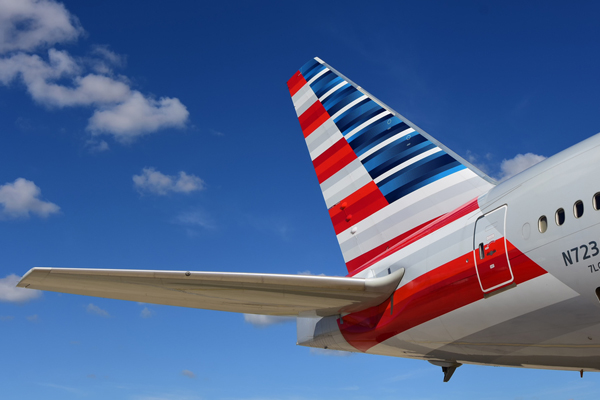

American Airlines has postponed the integration of a new policy, which links air miles accumulation to preferred booking channels, by two months. This decision was taken amid concerns from the travel industry about the readiness and fairness of this technological transition.
By delaying the enforcement, American Airlines aims to provide travel agencies additional time to adjust to the New Distribution Capability (NDC) technology. However, several industry voices argue that the primary challenge lies in the technology’s underdeveloped state and perceived anti-competitive implications.
Background of the Delay
American Airlines has delayed the implementation of restricting loyalty points for customers booking via non-preferred travel agencies. Initially set for May 1, the policy enforcement is now deferred by two months. This move aims to promote the adoption of the New Distribution Capability (NDC) among travel agents, yet agents argue the technology is underdeveloped and the deadlines unrealistic.
Reactions from Industry Associations
The American Society of Travel Advisors (ASTA) has welcomed the delay, acknowledging the additional preparation time it affords travel agents. However, ASTA President Zane Kerby criticised American Airlines, suggesting an admission that their NDC technology is not ready for full implementation. He described the airline’s approach as displaying anti-competitive behaviour.
The Advantage Travel Partnership, representing global business travel, also expressed support for the deadline extension. They argue that it ensures travellers can still accumulate miles irrespective of booking channels. Such sentiments reflect a broader concern about maintaining flexibility in booking methods for customers.
Challenges with NDC Implementation
NDC, developed by the International Air Transport Association (IATA), aims to modernise the distribution of air fares and related content. It involves using APIs to enhance information flow. However, its rollout has faced resistance from travel agencies.
A recent poll by the Global Business Travel Association highlighted the need for further education on NDC among corporate travel buyers. A significant portion of buyers felt that airlines are rushing the implementation process, with North American respondents emphasising the urgency. More than 50% of buyers had not yet implemented NDC, citing knowledge gaps and cost concerns.
Additionally, 23% of respondents who have initiated NDC implementation reported encountering issues. Financial implications remain a hurdle, as 60% of buyers have not allocated budgets for the extra costs involved in servicing NDC bookings.
Global Repercussions
The World Travel Agents Associations Alliance, alongside associations from Canada and Latin America, criticised American Airlines for potentially discouraging agency bookings. They argue that the airline’s strategy may hinder consumer choice and flexibility.
Moreover, only 10% of the corporate travellers surveyed had a company NDC programme fully operational, highlighting a gap in adoption readiness globally. Challenges such as technical integration and increased operational costs for agencies contribute to the sluggish uptake.
For travel suppliers, 36% have faced challenges with rolling out NDC. The alignment of technology and business processes remains a critical barrier that needs addressing.
Future Outlook for Airlines and Travel Agencies
Looking ahead, American Airlines plans to increase the NDC adoption threshold from 30% to 50% by October 31. This escalation underscores the airline’s push for modernised distribution channels despite the obstacles faced.
The industry response suggests a demand for a reassessment of the NDC strategy, particularly in balancing technological advancement with practical implementation timelines. More collaboration between airlines and travel agencies might ease the transition.
The postponement offers time for both parties to address existing concerns, but the effectiveness of this extension in driving adoption remains uncertain. The emphasis is on providing comprehensive support to ensure a smoother implementation process.
Navigating Technological Barriers
Adopting NDC technology is not without its challenges, as it requires significant adjustments in existing systems used by travel agencies. The learning curve and financial investment needed highlight the complexity of this transition.
With numerous agencies yet to begin or complete their NDC assimilation, the next few months are crucial. Stakeholders are urged to engage in open dialogue to mitigate technological disruptions and enhance compatibility.
Conclusion
In conclusion, the postponement by American Airlines grants much-needed respite for travel agencies to adapt to NDC requirements. Yet, the underlying issues of technology readiness and competitive practices remain contentious topics within the industry.
American Airlines’ two-month delay offers breathing space for travel agencies, yet raises questions about NDC’s readiness and competitive fairness.

