

Amazon has recently made a significant change to its Fresh grocery delivery service by extending it to non-Prime members in the US. This new development comes as part of Amazon’s strategic initiative to widen its customer base and make its grocery service more accessible.
Amazon has broadened its Fresh grocery delivery service to include non-Prime members in the United States. This strategic move is initially available in select cities such as San Francisco, Boston, Nashville, and Austin. The initiative represents Amazon’s effort to remove barriers, allowing a wider range of customers to access its grocery offerings, which were previously exclusive to Prime members.
Non-Prime members will encounter a tiered fee structure for grocery deliveries. Orders under $50 will incur a $13.95 fee, while those between $50 and $100 will have a charge of $10.95. For orders exceeding $100, the delivery fee reduces to $7.95. This pricing strategy is intended to encourage larger purchases and offer value to consumers without a Prime membership. Previously, only Amazon Prime, priced at $139 annually, granted access to Fresh delivery.
Amazon plans to further extend its grocery delivery service across more regions within the United States and potentially integrate items from Whole Foods and other grocery partners. The company’s executives, as reported by Bloomberg, revealed intentions to introduce further adjustments to their grocery business model. These changes are a testament to Amazon’s evolving retail strategy, aiming to attract a broader customer base while refining its service offerings.
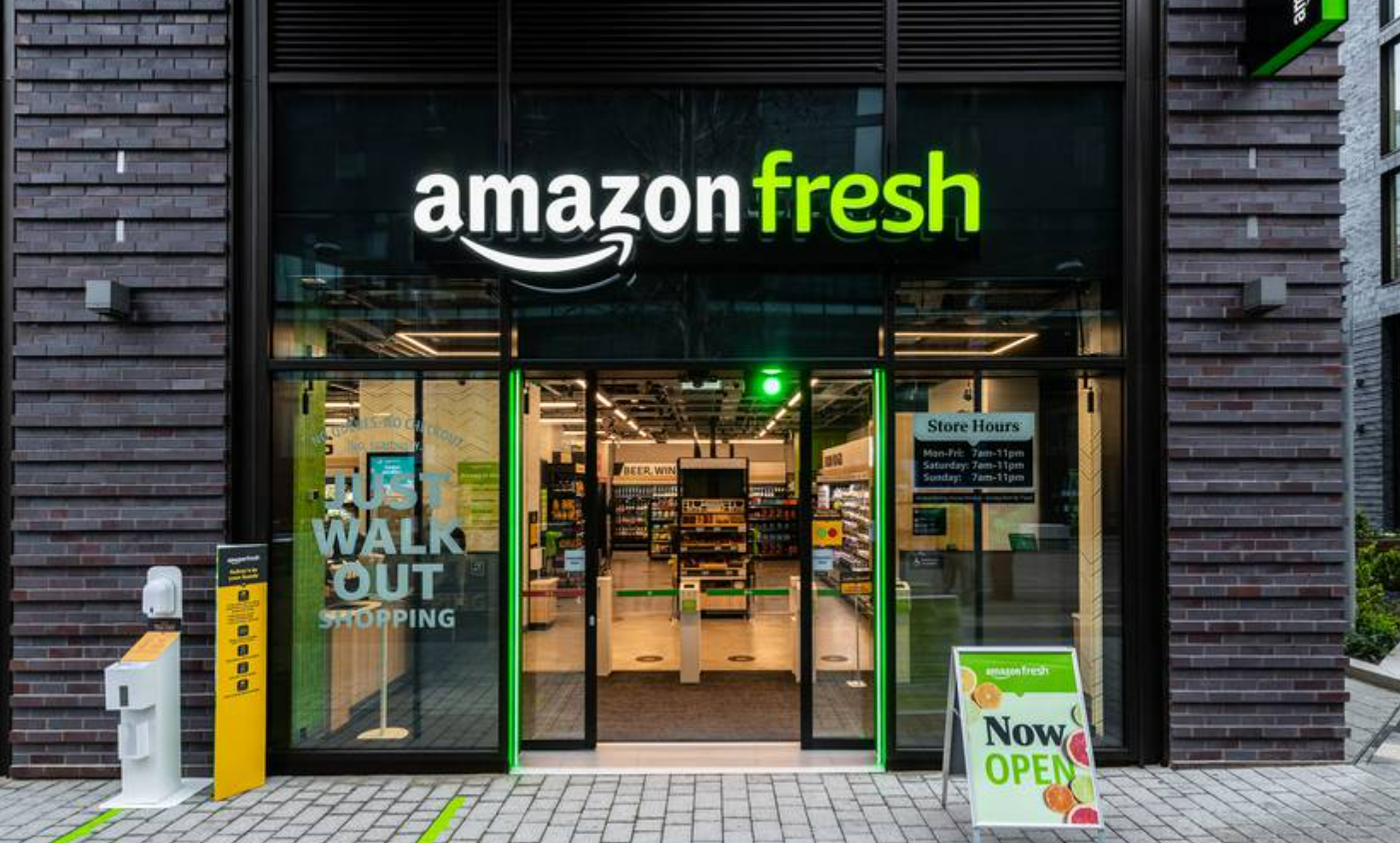
In a step towards enhancing customer convenience, Amazon Fresh stores now accept card payments, diverging from the Just Walk Out technology previously implemented in the UK. This change simplifies the transaction process, catering to customers’ varied payment preferences and potentially increasing store footfall. Such innovation aligns with Amazon’s commitment to creating a seamless shopping experience.
Despite expansions, Amazon has faced challenges in its physical retail operations. Recent closures of Fresh convenience stores in Ealing, Wandsworth, and East Sheen highlight these difficulties. According to CEO Andy Jassy, further store expansion is on hold as Amazon seeks a store format that effectively meets customer needs and delivers satisfactory economic results. This cautious approach indicates a balanced strategy of innovation and practical market adaptation.
Amazon’s decision to open its Fresh grocery delivery to non-Prime members marks a significant step in its retail journey. This shift broadens consumer access and supports Amazon’s larger vision of becoming a predominant player in the grocery sector. As it navigates through its challenges and optimises its offerings, Amazon is poised to reshape the retail landscape with innovative approaches and customer-centric solutions.
Amazon’s expansion of its Fresh grocery delivery to non-Prime members underscores its commitment to customer inclusivity and market expansion. By adjusting its service offerings, Amazon continues to evolve within the competitive grocery industry, aiming to meet diverse consumer needs while solidifying its market presence.

