
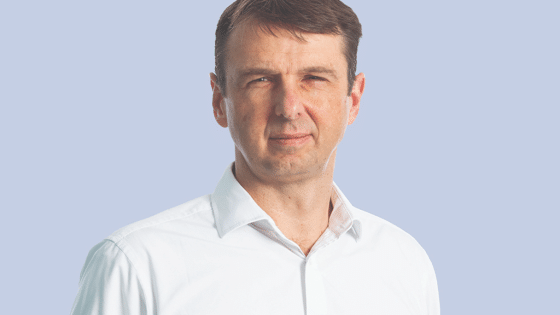

Alex Vaughan’s journey at Costain spans 34 years, from starting as a trainee to becoming CEO.
- Vaughan highlights Costain’s focus on essential sectors, ensuring economic growth and resilience.
- The shift towards long-term partnerships marks a significant change in Costain’s approach under Vaughan.
- The COVID-19 pandemic brought the construction industry closer and highlighted the skills shortage.
- Innovation and sustainability are at the forefront of Costain’s strategy, with significant projects underway.
When Alex Vaughan first joined Costain as a trainee quantity surveyor 34 years ago, he did not anticipate rising to the position of chief executive. Reflecting on his time, he mentions the continuous challenges and opportunities that have kept him engaged and committed to the company over the decades. He acknowledges that many others at Costain have similar long tenures, some exceeding 50 years, indicating a culture of loyalty and dedication.
Costain strategically emphasises sectors like transport, water, energy, and defence, which Vaughan refers to as ‘non-discretionary’ markets vital for economic growth. By focusing on these areas, Costain aligns itself with the country’s needs, ensuring both profitability and contribution to national resilience.
Under Vaughan’s leadership since May 2019, Costain has moved away from one-off projects to building long-term partnerships with clients. Vaughan believes these enduring relationships allow for continuous improvement and better results. He admits that such collaborations are challenging, as they require all parties to prioritise shared goals over individual interests.
The Covid pandemic tested Vaughan’s leadership but also fostered industry-wide collaboration. He notes that the pandemic brought firms together to share best practices, helping them navigate complex challenges collectively. The need for skilled labour remains acute, and Vaughan stresses the importance of long-term solutions. Initiatives like bespoke degree programmes are in place to address this skills gap.
Looking ahead, Vaughan places great importance on innovation and sustainability. He contrasts the technological advances from his early days to the present, where projects are executed more efficiently using modern technology. The firm’s commitment to sustainability is evident in its net-zero aspirations and projects like the Teesside carbon capture initiative, aimed at reducing emissions and revitalising the industrial hub.
Vaughan expresses concern over the absence of a long-term governmental strategy, which he sees as a barrier to industry stability and planning. He suggests that appointing a minister for infrastructure at the cabinet level could provide the necessary strategic focus to support the construction sector’s growth and sustainability.
Vaughan remains optimistic about the sector’s future, emphasising leadership, investment, and a focus on innovation as key to success.

