
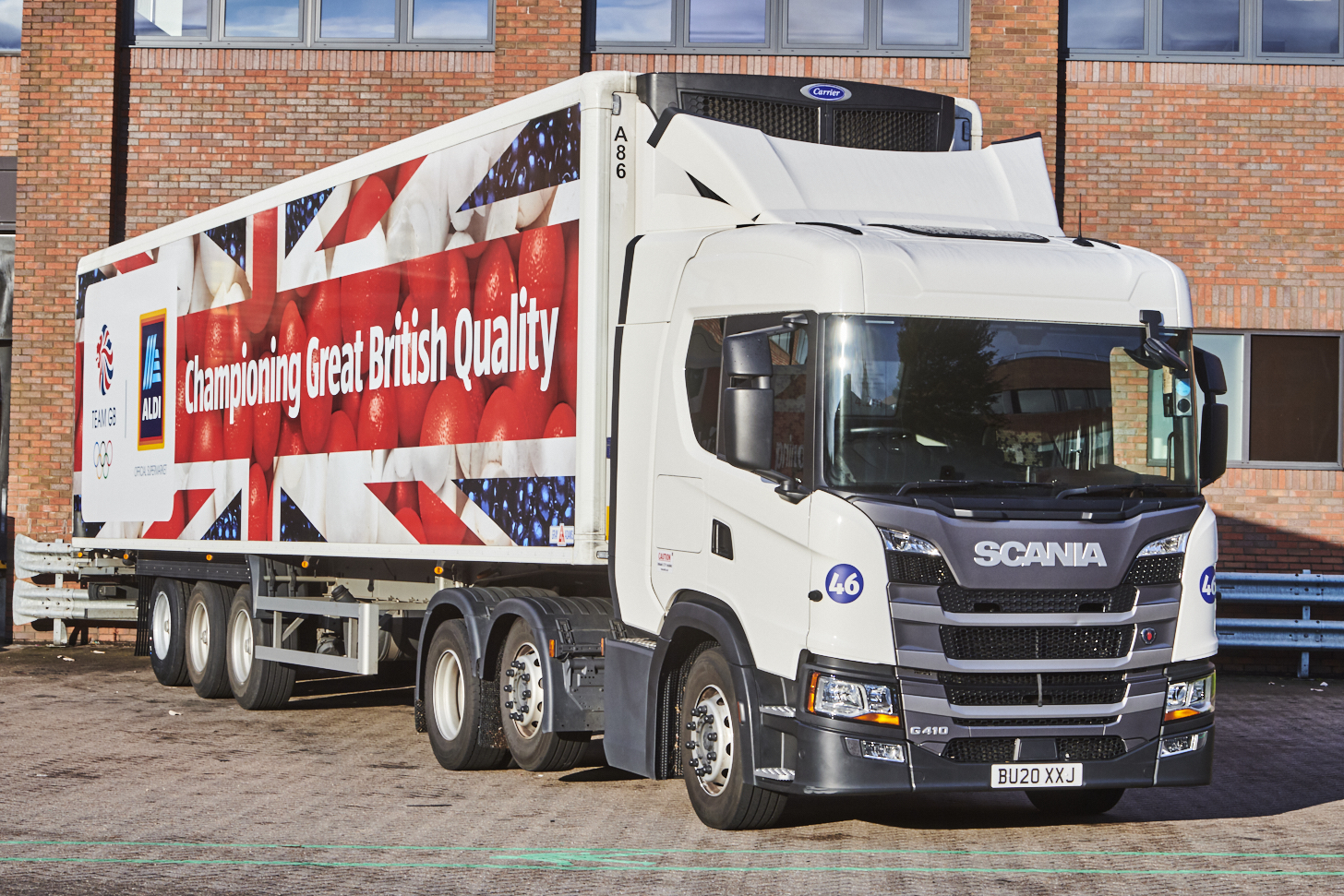

Aldi is pioneering sustainability by upgrading 30% of its HGV fleet to utilise hydrotreated vegetable oil (HVO). This initiative is set to significantly curb carbon emissions, aligning with the broader environmental goals.
With over 160 heavy goods vehicles transitioning, the German retailer aims to cut carbon emissions by approximately 15,400 tonnes annually. This change is part of Aldi’s broader sustainability strategy, attempting to eventually encompass the entire fleet of over 550 HGVs.
A Decisive Move Towards Sustainability
In an ambitious stride towards environmental responsibility, Aldi has initiated the conversion of over 30% of its fleet of heavy goods vehicles (HGVs) to run on hydrotreated vegetable oil (HVO). This decision underscores Aldi’s commitment to reducing its carbon footprint and enhancing its operational sustainability.
The conversion will involve more than 160 HGVs operating from Aldi’s distribution centres in Cardiff, Swindon, and Neston. By adopting HVO fuels for these vehicles, Aldi expects to lower its annual carbon emissions by 15,400 tonnes of CO2e.
Such a move not only reflects Aldi’s environmental goals but also positions it as a leader in adopting alternative fuels within the retail sector.
Impact on Carbon Emissions
The impact of this conversion on carbon emissions is substantial. By implementing HVO fuel within its fleet, Aldi forecasts a reduction of approximately 15,400 tonnes of CO2e emissions per annum.
If this initiative is scaled to include Aldi’s entire fleet of 550 HGVs, the potential carbon savings could reach an impressive 55,100 tonnes of CO2e annually. Such significant reductions highlight the potential for large-scale adoption of alternative fuels to combat climate change.
Leadership Commitment and Corporate Strategy
Aldi’s national sustainability director, Liz Foz, emphasises the alignment of this fleet conversion with the retailer’s long-term sustainability objectives. She stated, “Switching to HVO fuels on our lorry fleet aligns with our long-term sustainability goals.”
This strategic move showcases Aldi’s dedication to driving positive change across its business operations, marking a significant milestone in its environmental direction.
Alongside this change, Aldi has committed to enhancing its market presence in Britain, investing £800 million to accelerate its expansion. This investment underpins its dual approach to growth and sustainability.
Economic Performance and Sustainability Goals
The grocer’s record-breaking sales, which surged by £2.4 billion to £17.9 billion in 2023, underscore its strong economic performance amidst ambitious sustainability initiatives.
This 16% sales growth not only highlights Aldi’s market success but also provides a financial foundation to support its sustainability efforts such as the HGV fleet conversion.
Aldi’s commitment to sustainability, exemplified by this environmental investment, positions the company as a progressive entity within the competitive grocery sector.
Broader Implications and Future Potential
The adoption of HVO fuels represents a broader trend towards sustainable transportation within the retail industry. The positive outcomes expected from Aldi’s initiative could encourage similar transformations sector-wide.
Transportation is a significant contributor to global emissions, and Aldi’s approach highlights the critical role retail companies can play in environmental stewardship. The potential scaling of this initiative across Aldi’s entire fleet could serve as a benchmark for others.
The change to HVO, while substantial on its own, is part of a larger environmental strategy that sees Aldi continually seeking to reduce operational emissions across its portfolio.
As Aldi continues to innovate and adapt, the potential for further expansion of sustainable practices remains strong, reinforcing the company’s leadership in sustainable retail solutions.
Conclusion
Aldi’s transition to HVO fuels in its HGV fleet is a decisive step towards sustainability, reflecting its commitment to reducing carbon emissions and achieving environmental goals.
This initiative not only addresses immediate environmental concerns but also sets a standard for other retailers, emphasizing the role of sustainable innovation in today’s competitive market.
Aldi’s commitment to eco-friendly fuels is a significant advancement in its sustainability journey. The retailer not only demonstrates responsibility but also leadership, encouraging other enterprises to join the environmental transformation.
By pioneering the use of HVO in its fleet, Aldi reaffirms its role as a catalyst for positive change in the retail sector. This move is a benchmark in sustainable practices, offering a template for others to follow.

