
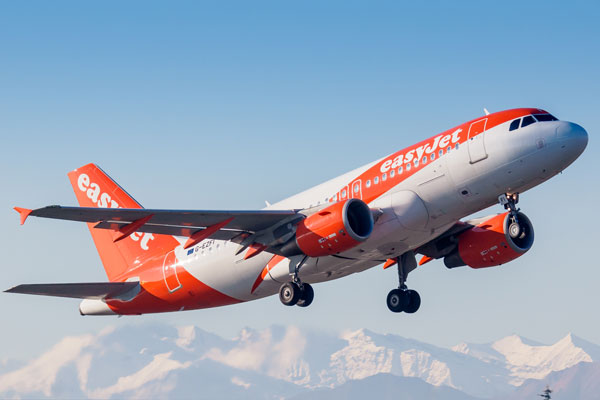

Modernising Europe’s airspace holds the key to significantly reducing CO2 emissions from aviation. A comprehensive study by easyJet indicates that such a transformation could lead to a 10% reduction in emissions, highlighting a critical opportunity to address environmental concerns.
The report emphasises the pressing need for strategic reform in air traffic management to achieve these environmental benefits. By refining flight paths and air traffic procedures, airlines can enhance efficiency and minimise their carbon footprint, aligning with global sustainability goals.
A detailed analysis conducted by easyJet reveals that the airline could reduce emissions by over 10% by addressing airspace inefficiencies. The study, which utilised AI technology to evaluate the impact of outdated airspace systems on CO2 emissions, monitored every easyJet flight from June 2023 to July 2024. This analysis identified that inefficiencies in airspace management led to a notable 10.62% increase in the airline’s carbon emissions, equating to nearly 664,000 tonnes of CO2 over the examined period.
Specifically, the UK Southeast region, home to high-demand hubs such as Gatwick, was highlighted as a critical problem area. The study found that seven out of ten of the most inefficient routes involved arrivals into Gatwick, exacerbating emission issues due to capacity constraints.
Similarly, during the cruise phase, the study noted substantial inefficiencies in the upper airspace over Italy, the UK, France, and Spain. Complex routing and outdated procedures were primary contributors to these inefficiencies, echoing a broader need for airspace restructuring.
In response, easyJet emphasised the necessity for a redesign of air traffic control systems, advocating for procedures that prioritise operational efficiency over controller workload.
Lundgren argued that modernising airspace is not only crucial for reducing CO2 emissions but also vital for improving journey times and alleviating congestion in high-traffic areas.
EasyJet’s study is distinguished as the first to comprehensively assess the continental scale of airspace inefficiencies. This baseline study draws attention to the necessity for collaborative efforts among European countries to optimise air traffic management.
Such collaborations are essential to streamline air traffic operations, enhance flight safety, and achieve the environmental potential outlined in the analysis.
The modernisation of airspace is an imperative venture for the aviation industry. Through strategic reforms, significant reductions in CO2 emissions can be realised, benefiting both the environment and the efficiency of air travel systems.
As policymakers consider these findings, cooperative efforts across Europe will be vital in turning the proposed airspace transformations into reality, paving the way for a more sustainable future. The findings present a compelling case for immediate action.

