
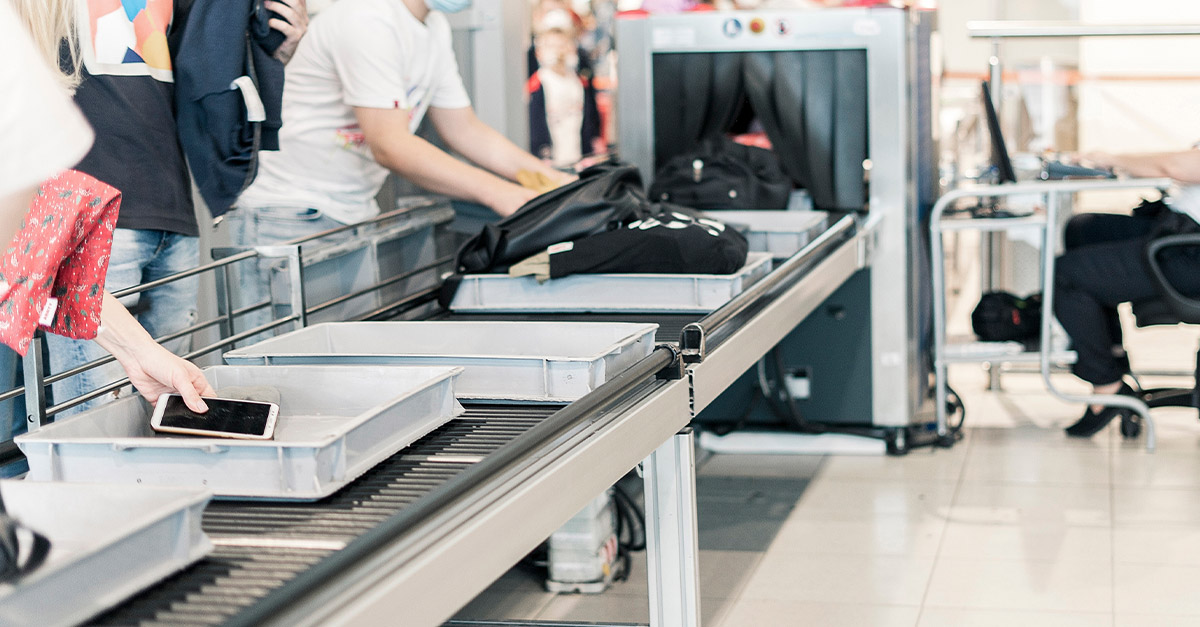

A recent survey has unveiled that only a fraction of UK airports are ready to comply with government orders for new 3D scanners. This development raises concerns about security consistency across the nation’s airports, echoing the complexity of implementing such technological advancements.
The impending deadline looms with only five airports reporting readiness, leaving others scrambling to adjust. As the air travel industry strives to enhance security measures, the disparity among airports’ readiness highlights the broader challenges and implications of this transition.
A recent survey reveals that only five out of the 17 airports mandated to implement new 3D security scanners will meet the June deadline. Specifically, Newcastle, London City, and Aberdeen airports have already complied, while Luton and Birmingham are on track. However, 12 significant airports, which manage 87% of UK air traffic, are expected to delay until next year.
Travellers at major airports like Heathrow and Gatwick may encounter the advanced scanners. Yet, inconsistency remains a concern, as outbound routes might not guarantee this technology on the return journey. Passengers are advised to adhere to current security protocols, despite new scanner implementations.
Chris Wright, managing director of Sunvil, cautioned about unexpected changes for travellers unprepared for existing liquid restrictions. He expressed concerns that many might arrive at airports expecting uniform standards, leading to confusion and inconvenience.
Despite these concessions, the government has not disclosed which airports have been granted extensions, leading to ambiguity and speculation about compliance across the UK.
Airlines are cautiously optimistic about these changes, noting the efficiency and convenience they could bring. However, they remain wary of the logistical challenges involved in implementing such a shift across multiple airports.
Relying on existing security practices ensures preparedness and avoids potential confiscation of items at airports lacking updated scanners.
While the promise of advanced security technology at airports is appealing, the reality remains complex. Travellers and industry stakeholders alike must navigate the transitional period with caution, as implementation efforts continue.
In summary, the move towards advanced 3D scanning technology represents a pivotal shift in airport security. However, the pace of adoption varies significantly, presenting both challenges and opportunities for improvement.
Stakeholders must remain vigilant and adaptable, ensuring that passengers experience the benefits of enhanced security measures while minimising disruption during this transition period.

