
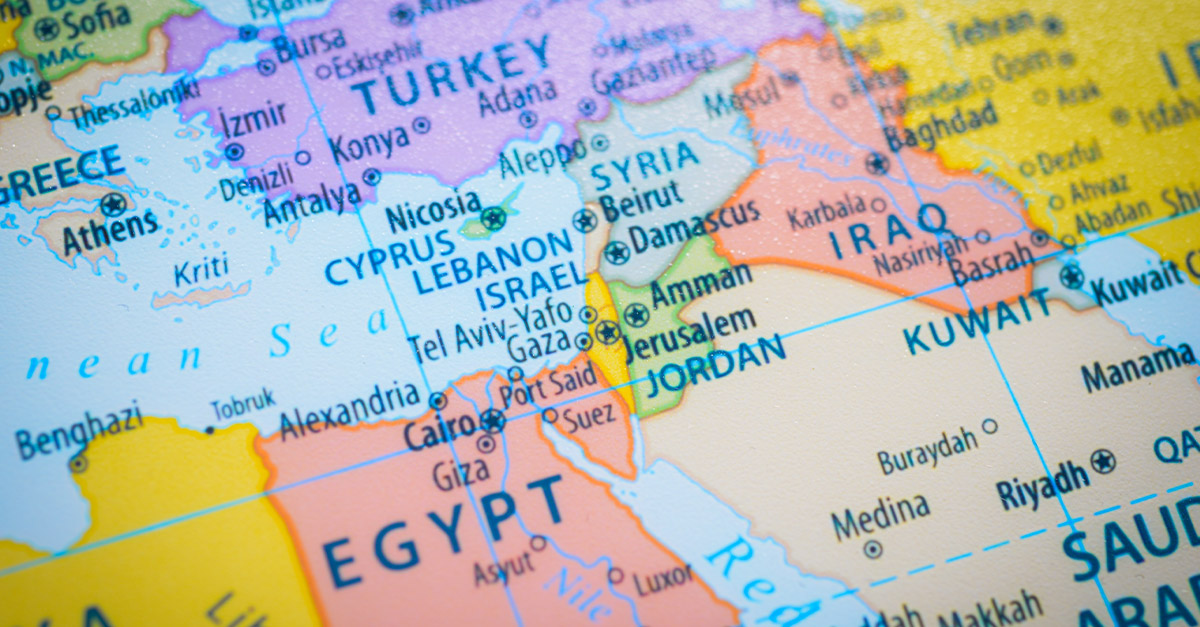

Airlines have swiftly adjusted operations following Iran’s significant military actions against Israel, creating a ripple effect across international air travel.
As tensions mount, the Foreign Office has updated travel advice, stressing caution and adherence to official guidelines for those in or travelling to the region.
Following the unexpected military assault on Israel by Iran utilising drones and various missiles, airlines are scrambling to modify their flight operations amid escalating tension in the Middle East. Airspace in the affected areas was quickly closed to commercial traffic, though many threats were intercepted before reaching their target in Israel. This abrupt change resulted in a temporary suspension of flights across critical zones until the situation stabilised.
In response to these events, the Foreign Office swiftly revised travel advisories impacting nearly 20 countries and territories. This revised guidance encompasses nations spanning from Egypt and Jordan to Tunisia and the UAE. Travellers have been urged to remain vigilant and adhere strictly to governmental travel advisories as the volatile situation continues to evolve.
Qantas adapted its Perth to London service to include a refuelling stop in Singapore, due to safety concerns, while flights operate through alternative routes. This adjustment is temporary, reflecting the unpredictable nature of the region’s political climate.
Such shifts in airline operations not only highlight the immediate security concerns but also underline the broader implications for global air travel, where safety and passenger welfare remain paramount.
The fluctuating oil prices present complications not only for the aviation industry but for the global economy at large, which remains sensitive to such geopolitical shocks.
Parallel diplomatic efforts remain ongoing, with the UK collaborating with regional partners to de-escalate tensions and minimise the risk of further hostilities. These combined military and diplomatic initiatives reflect a concerted effort to maintain stability and prevent conflict escalation.
The recent military skirmishes underscore a volatile landscape in the Middle East, forcing airlines and governments to act swiftly. The effects of these disruptions extend beyond travel logistics, affecting economic and diplomatic sectors worldwide.
As the Middle East remains fraught with uncertainty, airlines and governments continue to navigate complex logistical and diplomatic challenges.
The evolving situation demands ongoing vigilance and adaptability from all affected sectors, with safety remaining the top priority.

