
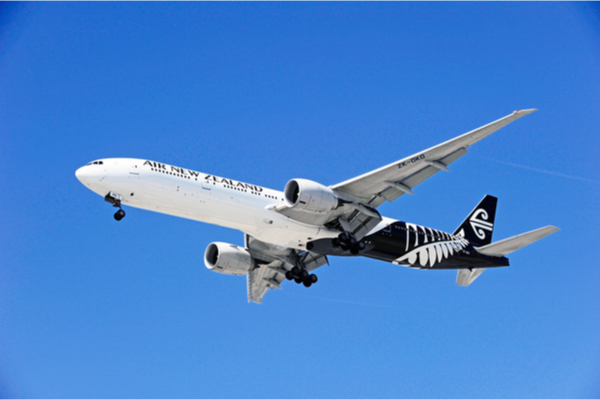

Air New Zealand has announced the removal of its 2030 carbon emissions reduction target.
This decision comes as the airline faces significant hurdles in fleet renewal and alternative fuel availability.
Air New Zealand has decided to withdraw its commitment to its 2030 carbon emissions reduction target. The airline cites supply chain issues and the limited availability of alternative jet fuels as primary reasons. This shift reflects the complex and challenging environment the aviation industry faces in pursuing sustainability targets.
The airline has encountered significant challenges that have impacted its ability to update its fleet in a timely manner. These challenges include manufacturing delays that are affecting the introduction of more fuel-efficient aircraft. As a result, Air New Zealand may need to keep its existing fleet operational for a longer period than initially planned.
Chief Executive Greg Foran emphasised that several factors contributing to the target’s withdrawal are not within their immediate control. Potential delays in fleet renewal plans further complicate the situation, rendering the original 2030 goal unachievable under current circumstances.
Despite retracting from the 2030 target, Air New Zealand remains committed to its 2050 net zero carbon emissions target. The company is actively exploring new strategies and technologies to transition away from fossil fuels, aligning with global efforts to address climate change.
Air New Zealand continues to advocate for supportive regulatory and policy frameworks at both the domestic and global levels. These measures are deemed essential to facilitate significant strides in reducing carbon footprints within the aviation sector, thereby aiding in the achievement of future targets.
This development underscores a broader struggle within the aviation industry where achieving ambitious sustainability targets is fraught with challenges. The reliance on external factors such as technology advancements and policy support is significant, highlighting the industry’s vulnerability in spearheading environmental initiatives.
The announcement invites reflection on the efficacy of current sustainability efforts within aviation. It prompts a reevaluation of strategies that can withstand the uncertainties in supply chain and technological development, ensuring that the industry’s environmental commitments remain steadfast.
Despite challenges, Air New Zealand reaffirms commitment to 2050 net zero target.
This move stresses the need for robust policy support and technological advancements in aviation.

