
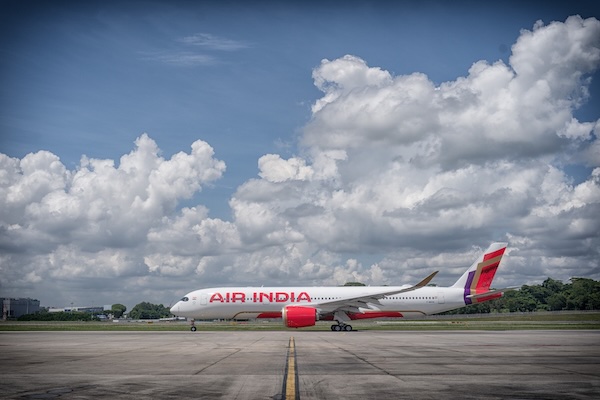

Air India has embarked on a transformative journey, rejuvenating its business through the consolidation of four airlines into one cohesive entity. This strategic move aims to streamline operations, enhance customer service, and position the airline for sustained growth in the competitive aviation sector.
Through meticulous planning and execution, Air India’s merger with Vistara and others marks a pivotal step in its post-privatisation transformation. The consolidation has strategically positioned the airline to better serve its customers while expanding its reach both domestically and internationally.
The Consolidation at a Glance
In a monumental move, the merger of Air India and Vistara marks the culmination of a significant consolidation in India’s aviation sector. This strategic realignment sees Singapore Airlines acquiring a 25.1% stake in the newly consolidated entity. Previously, Singapore Airlines was a 49% shareholder in Vistara. This consolidation, also involving Air India Express and AIX Connect, signifies a major advancement in Air India’s business strategy.
The integration of these four Tata-owned airlines heralds the emergence of a singular group that will operate under two distinct models: a full-service airline and a low-cost carrier. This streamlined approach aligns with a five-year transformation plan aimed at revitalising Air India’s operations post-privatisation. The merger is seen as a significant milestone in Air India’s journey to regain its prominence.
Impact on Airline Operations
The unified Air India Group will operate an impressive schedule, consisting of over 8,300 weekly flights across 312 routes. This extensive network connects more than 100 domestic and international destinations, supported by a robust fleet of 300 aircraft. These figures underscore the airline’s strategic reach, catering to a diverse passenger base.
Within this structure, the new full-service airline, branded as Air India, will manage over 5,600 weekly flights. These flights will serve 90 destinations worldwide, utilising 208 aircraft. Air India’s service extension now allows it to transport more than 120,000 passengers daily. The airline’s global connectivity is further enhanced through 75 codeshare and interline agreements that link to 800 additional destinations.
The preparation for this substantial consolidation began over two years ago. A primary focus was the seamless integration of more than 6,000 Vistara employees into the new organisational framework. This strategic move was crucial in maintaining operational continuity.
In addition to personnel transitions, the airline meticulously transferred 270,000 passenger bookings and incorporated 4.5 million frequent flyer accounts into Air India’s redesigned loyalty programme, the Maharaja Club. This herculean task was essential to ensure customer satisfaction and loyalty during the transition period.
Statements from Leadership
Air India CEO Campbell Wilson described the merger as the final step in the group’s restructuring phase, a process pivotal to its post-privatisation transformation. He commended the cooperative efforts of various teams involved in ensuring the smooth transition and integration of operations, stakeholders, and customer experiences.
Wilson’s sentiments highlight the collaborative nature of the transition. He noted, “Over the past two years, teams across the four airlines have worked closely together and with other stakeholders to ensure that the transition of people, assets, operations and, most importantly, customers, was as seamless as possible.”
The CEO’s optimistic outlook reflects the broader ambitions of the group. This consolidation is not merely an organisational change but a strategic pivot to enhance service delivery and market competitiveness.
Market Reactions and Future Prospects
The aviation industry has reacted positively to Air India’s consolidation, viewing it as a revitalisation of the brand and a strategic strengthening of its market position. Analysts suggest that the streamlined operations may enhance the airline’s efficiency and service delivery.
Aviation experts predict that this consolidation will enable Air India to become more competitive internationally. The airline’s expanded network and increased passenger capacity could significantly bolster its revenue streams.
The group’s dedication to improving customer experience is evident in their comprehensive approach to integrating operations and enhancing service delivery. This focus is likely to pay dividends as Air India seeks to re-establish itself as a leader in the global aviation market.
Challenges Ahead
Despite the positive reception, Air India faces several challenges. The integration of disparate airline cultures and operational practices poses a potential hurdle. Successfully merging these elements will be crucial to the seamless operation of the unified group.
Moreover, the airline must navigate an increasingly competitive international market while maintaining high standards of service and operational efficiency. Balancing these factors will be critical to achieving sustainable growth.
Despite these challenges, the consolidation presents significant opportunities for growth. The streamlined operations and expanded route network position Air India to capture a larger share of the global aviation market.
The airline’s focus on revitalising its brand and service offerings could attract a new wave of customers. Additionally, the strong partnership with Singapore Airlines provides a strategic advantage in accessing the Southeast Asian market.
Conclusion of the Merger Process
With the merger process reaching its conclusion, stakeholders are optimistic about the future prospects of Air India. The unified entity’s potential is vast, offering both domestic and international growth opportunities.
The combined operational capabilities and strategic partnerships lay the foundation for a promising future. As Air India embarks on this new chapter, it symbolises a fresh start for the airline and its passengers.
Air India’s consolidation of four airlines signifies a bold step forward. As the airline navigates this new landscape, it stands well-positioned to redefine its market presence and expand globally.

