
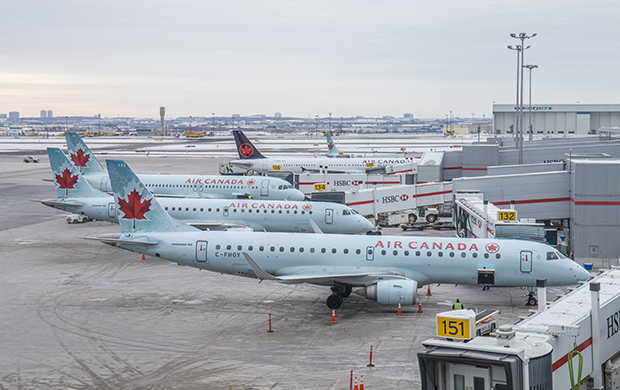

Air Canada’s operations stand on the brink of a comprehensive suspension due to a prolonged dispute with its pilots. As negotiations continue without resolution, the possibility of a shutdown looms, threatening to disrupt travel plans for thousands of passengers across the network.
Impending Operational Shut Down
Air Canada has issued a serious warning over a potential shutdown of its operations due to an ongoing conflict with its pilots. The airline is readying itself to halt most of its flights if an agreement isn’t reached with the Air Line Pilots Association (ALPA) soon. The move could disrupt travel plans for a significant number of passengers.
Details of the Pilot Dispute
The heart of the dispute lies in the contentious negotiations over the pilots’ new collective agreement, which has spanned 15 months. ALPA, representing more than 5,200 pilots from Air Canada and its subsidiary Air Canada Rouge, remains steadfast in demanding higher wages. Negotiations are at a standstill with no resolution in sight.
Potential Operational Impact
Air Canada’s operational framework includes nearly 670 daily flights, making a complete shutdown a major logistical challenge. Air Canada Express, fortunately, will continue services as its operations are handled by third-party carriers. This, however, covers only a small percentage of total passengers, implying huge overall disruptions should a shutdown ensue.
In anticipation of a strike or lockout notice, Air Canada plans a measured three-day wind-down of its operations, potentially affecting flights as early as this weekend. The company is committed to resuming normal services swiftly post-resolution, projecting a 7 to 10-day recovery period post-shutdown.
Management’s Stance and Outlook
Michael Rousseau, Air Canada’s Chief Executive, maintains optimism about reaching an agreement, provided ALPA moderates its wage expectations. However, the looming threat of service disruptions obliges the airline to plan for an orderly contingency shutdown, despite the apology issued to affected customers.
Rousseau has reassured customers of alternative arrangements and policies in place to mitigate travel disruptions, highlighting the airline’s willingness to offer no-cost travel adjustments. This reflects the company’s commitment to maintaining good customer relations despite the challenging circumstances.
Government Involvement and Public Reaction
Air Canada is actively informing the Canadian government about potential impacts of the shutdown, requesting cooperation to minimise public inconvenience. The airline’s transparency in its communication strategy aims to mitigate customer dissatisfaction and manage broader public expectations.
Public reactions on social media range from concern over travel disruptions to support for pilots’ demands for improved wages. This mix of reactions underscores the complexity of the situation that not only affects Air Canada’s operations but also has broader implications for the aviation industry in Canada.
The government’s role may become more pronounced if the negotiations continue without resolution. Potential interventions could shape the outcome, although as of now, the government appears to be monitoring the situation closely rather than stepping in actively.
Contingency and Recovery Planning
Anticipating operational shutdowns, Air Canada is employing a detailed recovery strategy aimed at resuming services swiftly post-disagreement. This includes coordinating with regional carriers to maintain some level of connectivity during disruptions, thereby limiting the overall impact on passengers.
Furthermore, the airline is keen on maintaining open channels of communication with customers, providing regular updates and alternative travel options where feasible. Such proactive measures are crucial in ensuring the airline’s reputation remains intact through the turbulence.
As negotiations progress, the resolution remains uncertain. Air Canada’s management remains optimistic yet prepared for all outcomes, including an organised operational wind-down. The implications of such an event extend beyond the airline to affect the wider aviation sector.

