
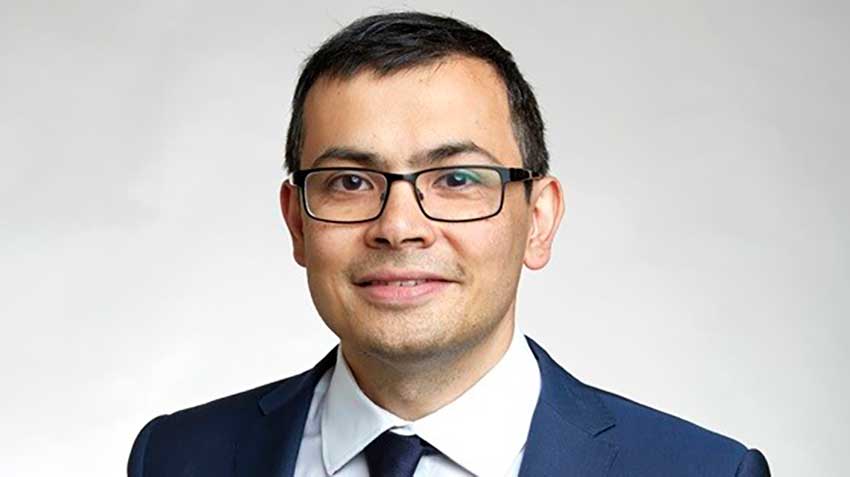

Demis Hassabis, a leading figure in AI, suggests potential cures for all diseases within a decade.
- Hassabis, co-founder of DeepMind, cites artificial general intelligence (AGI) as pivotal.
- The AlphaFold project is highlighted as a major breakthrough in protein prediction.
- There is potential for AI to provide solutions to climate change and enhance productivity.
- Risks of AI are acknowledged, stressing the need for careful management to harness its benefits.
Speaking at The Times Tech Summit, Demis Hassabis, co-founder of DeepMind, expressed an ambitious vision for the future. He predicted that artificial intelligence could achieve cures for all diseases within ten years. His confidence stems from the potential of achieving artificial general intelligence (AGI), which he described as an AI possessing human-like cognitive abilities. Hassabis emphasized that reaching AGI requires just two or three significant innovations.
The AlphaFold project, developed by DeepMind, exemplifies this potential. It has marked a new era in protein prediction, which holds significant implications for medicine, such as developing new antibiotics and cancer treatments. This breakthrough underscores AI’s transformative capability in specific scientific fields.
Hassabis argued that AI’s impact would be “epoch defining,” comparing it to the internet and mobile phones but significantly more transformative. However, he also urged caution, highlighting the importance of managing AI development responsibly to mitigate potential risks.
Beyond healthcare, Hassabis foresaw AI contributing broadly to society. He predicted advancements in climate change solutions and energy management and noted significant productivity improvements. He believed these advancements could be realised within the next decade, potentially marking a significant shift in human progress.
Despite the inherent risks, Hassabis expressed his belief in AI’s potential to yield overwhelmingly positive outcomes. The promise of technological advancements in various sectors, he argued, could lead to substantial enhancements in everyday life and drive monumental shifts in how society operates.
In essence, Hassabis envisions a future where AI, with adequate management, could revolutionise multiple facets of human existence.

