
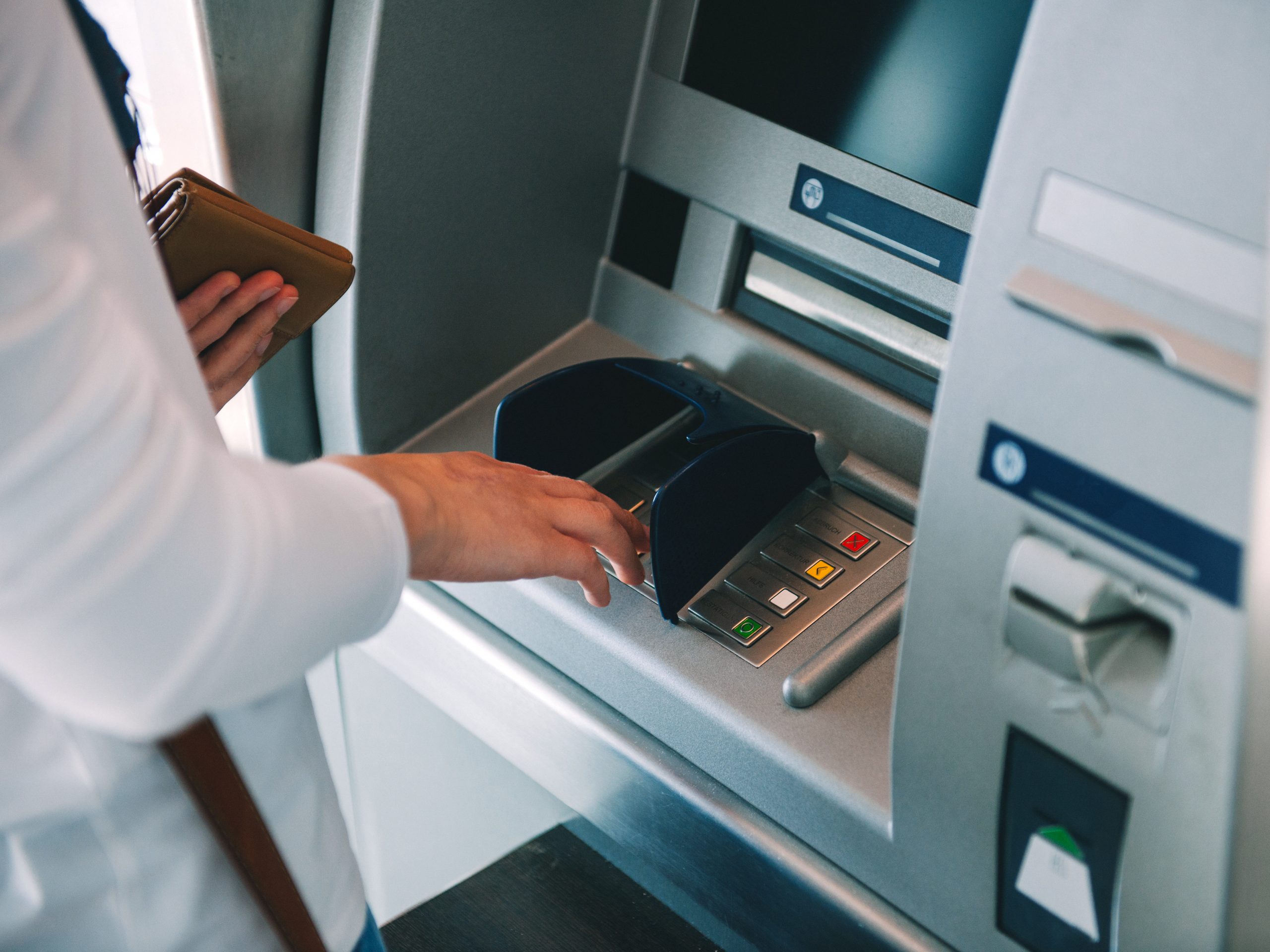

A charity has highlighted the need for shared banking hubs to be rolled out across the UK to support people who are not comfortable managing their finances online.
Designed to offer counter services for several banks in one place, shared banking hubs can be a lifeline in communities where local banks have closed their high street branches. They provide basic banking services including counter services run by the major banks and the Post Office, as well as dedicated rooms where customers can see staff from their own bank to discuss more complex issues.
Older people are among those who can struggle to access banking services when banks close down locally, Age UK pointed out.
New research conducted by Ipsos for Age UK shows that four in 10 over-65s with a bank account in Britain (39%) — equivalent to 4.09 million people — are not managing their money online and could be at high risk of financial exclusion.
Nearly a third of older people with a bank account (31%) — equivalent to 3.25 million people — said they feel uncomfortable with online banking. Their concerns included not wanting to be defrauded or scammed (31%), a lack of trust in online banking services (28%) and a lack of IT skills (28%).
In particular, those who are aged 85+, female, on a low income or more disadvantaged than their counterparts were more likely to feel uncomfortable using online banking.
And three in four account-holders aged 65+ (75%) — equivalent to 7.86 million people — said they want to carry out at least one banking task in person at a bank branch, building society or Post Office.
More than 50 new shared banking hubs are currently planned, but so far only four have opened — in Brixham, Devon; Cambuslang, South Lanarkshire; Cottingham, East Riding of Yorkshire; and Rochford, Essex. Meanwhile, an average of 54 UK bank branches have closed down each month since January 2015, BBC News reports.
“We need to face up to the fact that huge numbers of older people, the ‘oldest old’ especially, are not banking online,” said Caroline Abrahams, charity director at Age UK. “In addition, our new research also shows that even older people who do bank online often want the ability to talk to a bank employee in the flesh about some kind of transaction.
“These findings therefore demonstrate the huge and continuing demand for face to face banking services among our older population, and it’s crucial that the banks respond. Otherwise they are effectively disenfranchising millions who are willing and able to manage their finances — just not online.”

