
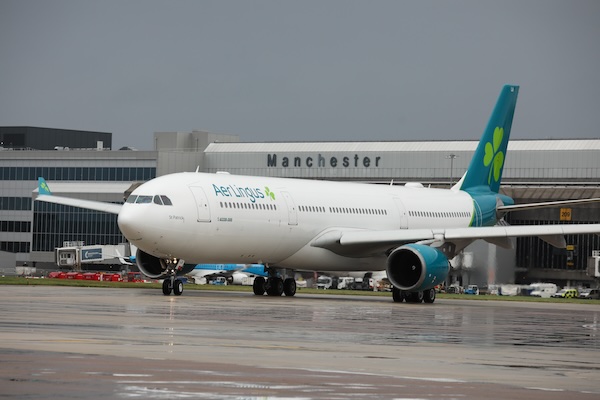

Aer Lingus pilots have voted overwhelmingly to pursue industrial action in response to a pay dispute, demanding over 20% increases. This development could disrupt summer travel plans, although union leaders indicate a strike is not yet certain.
The Irish Airline Pilots’ Association (Ialpa) has conducted a decisive ballot among its members, underscoring the gravity of the situation. Aer Lingus now faces increased pressure to engage in meaningful negotiations, as the airline seeks to avoid significant service disruptions.
Background of the Pay Dispute
The demand for pay increases exceeding 20% by Aer Lingus pilots has surfaced as a major point of contention between the pilots’ union and the airline. The Irish Airline Pilots’ Association (Ialpa) has been at the forefront of negotiations, making it clear that the existing compensation framework is insufficient for the pilots’ financial and professional expectations.
Aer Lingus pilots have consistently argued that their pay has not kept pace with industry standards, especially in comparison to pilots operating similar international routes. This has led to mounting frustration among pilots and increased pressure on union leaders to secure better terms from the airline administration.
The Ballot and Its Implications
An overwhelming majority of the 668 Ialpa members voted in favour of industrial action over a three-day period, marking a decisive moment in this ongoing pay dispute. The union reported that nearly 89% of the members participated in the ballot, signalling strong collective resolve to escalate matters if required.
Captain Mark Tighe, Ialpa’s president, emphasised the significance of this vote, describing it as an ‘incredible reaffirmation of our mandate for industrial action.’ Such a united front among members could intensify the pressures on Aer Lingus, pushing the airline towards meaningful negotiations.
Aer Lingus, however, has expressed doubt about the initial electronic ballot’s credibility, prompting a second manual voting process to validate the action.
Potential Impact on Summer Travel
Despite the pilots’ readiness to strike, Captain Tighe has reassured the public that industrial action this summer is “not inevitable.” This statement aims to alleviate concerns and offers a glimmer of hope for uninterrupted travel plans during the busy summer period.
The union has demanded at least seven days’ notice before any strike, although Aer Lingus has requested a longer notice period of 15 days. This additional time is sought to mitigate potential disruptions by arranging alternative flight schedules for travellers, should a strike occur.
Aer Lingus maintains that extended notice would be instrumental in minimising passenger inconvenience, though Ialpa insists such measures are designed to evade compensation obligations resulting from flight cancellations.
Negotiation Stalemate
Negotiations between the pilots and Aer Lingus management have reached a standstill, with both parties firmly entrenched in their positions. The airline is adamant that the pilots’ demands are excessive, while the union insists on the necessity of substantial pay hikes to attract and retain skilled personnel.
Aer Lingus continues to argue that meeting the union’s financial demands could strain the airline’s operational capabilities, potentially leading to higher costs for the consumers. The situation remains fragile, with the potential for resolution only if both parties can find common ground.
Ialpa’s leadership remains hopeful that negotiations can continue without resorting to industrial action, but preparations for possible strikes are underway, reflecting the seriousness with which the union views the pay dispute.
Reactions from Stakeholders
Stakeholders in the aviation and travel industry have expressed mixed reactions to the developments. While some industry analysts see the pilots’ demands as justified, given the rising costs of living and increased responsibilities of modern pilots, others caution against setting unsustainable precedents.
Travel agencies and consumer rights groups are closely monitoring the situation, concerned about potential disruptions to travel plans and the implications for consumer protection. The prospect of industrial action has already triggered discussions among these groups about the need for contingency planning.
Aer Lingus customers, meanwhile, are caught in the crossfire, apprehensive about potential cancellations and the impact of the dispute on their travel itineraries.
Aer Lingus’ Strategic Response
Aer Lingus has adopted a strategic approach, attempting to engage both the union and the affected passengers through clear communication. The airline emphasises that its priority is to maintain service standards and minimise any operational impacts that might arise from the industrial action.
By requesting an extended notice period, Aer Lingus intends to reassure passengers that it is prepared to handle any foreseeable disruptions. The airline’s management asserts that they are eager for a swift resolution but remain vigilant to any development that may arise from the negotiations.
Despite these assurances, the tension between Aer Lingus and its pilots remains palpable, as any misstep could potentially exacerbate the conflict, leading to more severe disruptions.
Outlook and Future Prospects
As the situation develops, the outlook remains uncertain. There is cautious optimism that both sides will return to the negotiating table, driven by a mutual understanding of the adverse effects a strike could have on the airline and the broader travel community.
Many industry observers suggest that this dispute underscores broader challenges within the aviation sector, where labour demands are increasingly at odds with managerial cost controls. If resolved amicably, this case could serve as a template for future labour relations negotiations in the industry.
Ultimately, the potential strike poses significant questions about the sustainability of labour practices in aviation, prompting a need for concerted efforts to balance the interests of employees and business operations.
The ongoing pay dispute at Aer Lingus highlights significant tension points within the airline industry, reflecting broader labour challenges. It remains to be seen whether negotiations can lead to a resolution or if industrial action will take place.
Both the pilots and management must navigate this conflict carefully to mitigate potential disruptions, ensuring a fair outcome for all stakeholders involved.

