
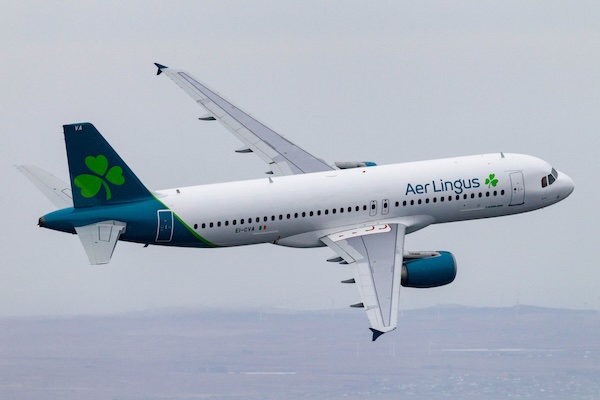

Aer Lingus is set to cancel up to 20% of flights, reflecting a significant operational challenge. This measure responds to a work-to-rule by pilots amid a pay dispute.
Impacted passengers, scheduled to travel from June 26 to July 2, are being offered flexible travel alterations or refunds. These efforts seek to mitigate disruption during peak travel times.
The Immediate Impact on Passengers
In a significant operational move, Aer Lingus has announced the cancellation of up to 20% of its scheduled flights from June 26. This decision, impacting a substantial number of travellers, aims to mitigate the effects of the planned work-to-rule by pilots. The airline, prioritising customer service, underscores its commitment to maintaining as many routes as possible under the circumstances.
Passengers affected by these cancellations have been assured options to change their travel dates without extra charges, or alternatively, to seek full refunds. This outreach includes direct communication from Aer Lingus, ensuring that those impacted can make informed decisions regarding their travel plans. The cancellation strategy is a preemptive measure to handle the anticipated disruptions efficiently.
Pilot Pay Disputes at the Core
The root cause of the anticipated disruptions lies in a pay dispute between Aer Lingus and the Irish Airline Pilots Association (Ialpa). This stalemate has resulted in an indefinite work-to-rule declaration by the pilots, effectively limiting their duties strictly to contractual obligations. Such actions are notorious for their ability to significantly hinder airline operations.
Aer Lingus has expressed concern over the long-term repercussions of these actions, highlighting that the work-to-rule approach is strategically designed to cause maximum disruption during peak summer holiday periods. The airline remains vocal about its efforts to negotiate an amicable resolution that balances organisational sustainability with fair employee compensation.
Routes Unaffected by the Action
Aer Lingus has made it clear that specific routes will not experience disruption despite the ongoing pilot dispute. Notably, transatlantic services from Manchester Airport and regional operations through Emerald Airlines will continue as scheduled, offering a degree of normalcy amidst the brewing chaos.
This clear communication from the airline intends to alleviate customer concerns, especially for international travellers who may face greater inconveniences given the nature of long-haul flights. By maintaining these critical routes, Aer Lingus aspires to safeguard its international commitments and uphold its reputation amongst global passengers.
Communication and Contingency Plans
To minimise passenger disruption, Aer Lingus has laid out a comprehensive communication strategy aimed at keeping customers and partners informed. Notifications about potential changes, delays, or cancellations are communicated promptly via direct messaging and official announcements.
Furthermore, Aer Lingus is actively seeking partnerships with other airlines and exploring options to charter additional aircraft. This strategy is key to offering re-accommodation opportunities for passengers affected by flight cancellations. Such measures reflect the airline’s dedication to customer service excellence during unexpected operational challenges.
Travel agents and third-party partners have been engaged as part of the broader contingency framework, ensuring that all travel facilitators are equipped with the latest updates to assist their clients effectively.
Impact on the Airline Industry
The industrial action and subsequent flight cancellations represent a broader issue within the airline industry, highlighting ongoing tensions between operational management and pilot unions. Such disputes can lead to significant disruptions, affecting brand reliability and customer trust.
As the industry grapples with post-pandemic recovery, the timing of Aer Lingus’s pilot actions adds complexity to an already challenging landscape. Other airlines monitor this situation closely, recognising its implications for labour negotiations and service continuity across international networks. This scenario serves as a microcosm of wider industry labour dynamics.
Response from Industry Leaders
In response to the Aer Lingus situation, leading figures in the airline industry have called for a swift resolution to the labour dispute, emphasising the need for dialogue and understanding between both parties. Such perspectives advocate for more harmonious labour relations to foster stability.
Industry voices stress the importance of resolving such disputes amicably to maintain consumer confidence and ensure service reliability. The call for open negotiations underscores a collective desire to avoid prolonged disruptions that could tarnish reputations and financial performance.
The collective airline community acknowledges the ongoing challenges posed by pilot negotiations, with many calling for innovative solutions to bridge gaps between workforce demands and organisational capabilities.
Passenger Perspectives and Concerns
Passengers find themselves in a challenging position, with travel plans potentially impacted by the conflict between Aer Lingus and its pilots. This situation underscores the vulnerability of consumers in the face of industrial disputes, prompting calls for better consumer protection policies.
Aer Lingus’s decision to cancel flights highlights the intricate challenges in balancing operational demands with workforce disputes.
Ongoing negotiations between the airline and pilot association are crucial to restoring normalcy and ensuring customer trust. The airline’s proactive communication and contingency plans underscore its commitment to passengers.

