
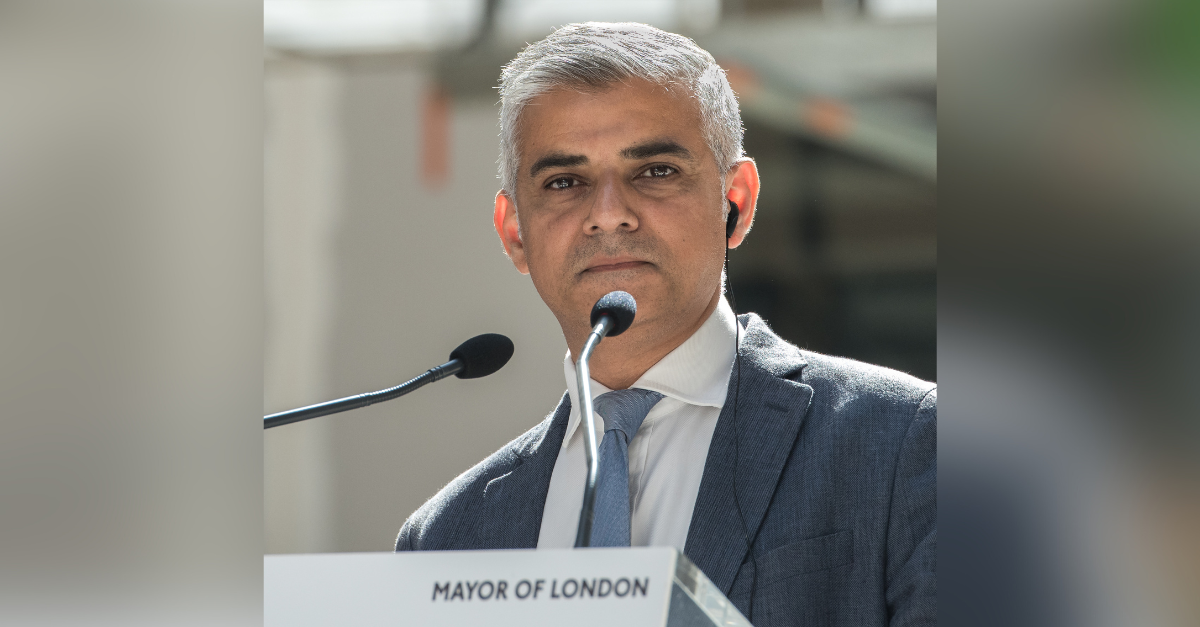

The London Mayor has pushed for improved youth mobility between the UK and the EU, prompting backing from Abta.
- Sadiq Khan advocates for a youth mobility agreement or changes to post-Brexit visa rules to ease movement.
- Abta has long supported these initiatives, recognising their potential benefits to the tourism sector.
- The number of UK tourism workers in the EU has significantly declined since Brexit, highlighting the need for action.
- Discussions with various officials indicate growing political receptivity towards such proposals.
London’s Mayor, Sadiq Khan, has been vocal about the need for enhanced youth mobility between the UK and EU nations. He envisions an agreement facilitating easier movement for young workers or necessary amendments to restrictive post-Brexit visa protocols currently in place. This perspective aligns with the longstanding objectives of Abta, the association representing travel agents and tour operators, which has been ardently lobbying for a policy to support both incoming and outgoing tourism sectors.
Mayor Khan’s comments, delivered to the Observer, have been met with a positive response from Abta. The association has noted the detrimental effects of reduced youth mobility on the tourism workforce within the EU, reporting a staggering 70% reduction in UK workers in tourism roles since the Brexit transition. The call for change is not only about restoring numbers but revitalising the connections and opportunities severed by rigid visa regulations.
Abta’s commitment to this cause is evident through its active discussions with various political stakeholders. Recently, Abta’s Director of Public Affairs, Luke Petherbridge, engaged in meaningful dialogue with shadow tourism minister Barbara Keeley, Baroness Twycross from the educational sector in the Lords, and shadow immigration minister Stephen Kinnock. These conversations are part of a broader effort to garner support across political lines, indicating a strategic approach to enacting change.
The dialogue appears to be gaining traction, with key political figures showing receptiveness towards these proposals. Liberal Democrat MPs Wera Hobhouse and Jamie Stone have expressed openness to the youth mobility agenda, recognising its potential impact on sectors beyond tourism, including education and transport. This cross-sector interest underscores the comprehensive benefits a youth mobility scheme could bring.
Looking ahead, Abta plans to maintain momentum by continuing its advocacy efforts. Upcoming meetings with influential figures such as aviation minister Anthony Browne MP reinforce the association’s dedication to advancing this agenda. Petherbridge describes the initiative as a ‘win-win’ policy, poised to bolster the UK tourism industry and enhance economic prosperity domestically and across the EU.
Abta remains steadfast in its pursuit of improved policies for youth mobility, signalling a pivotal moment for both tourism and broader economic relations.

