
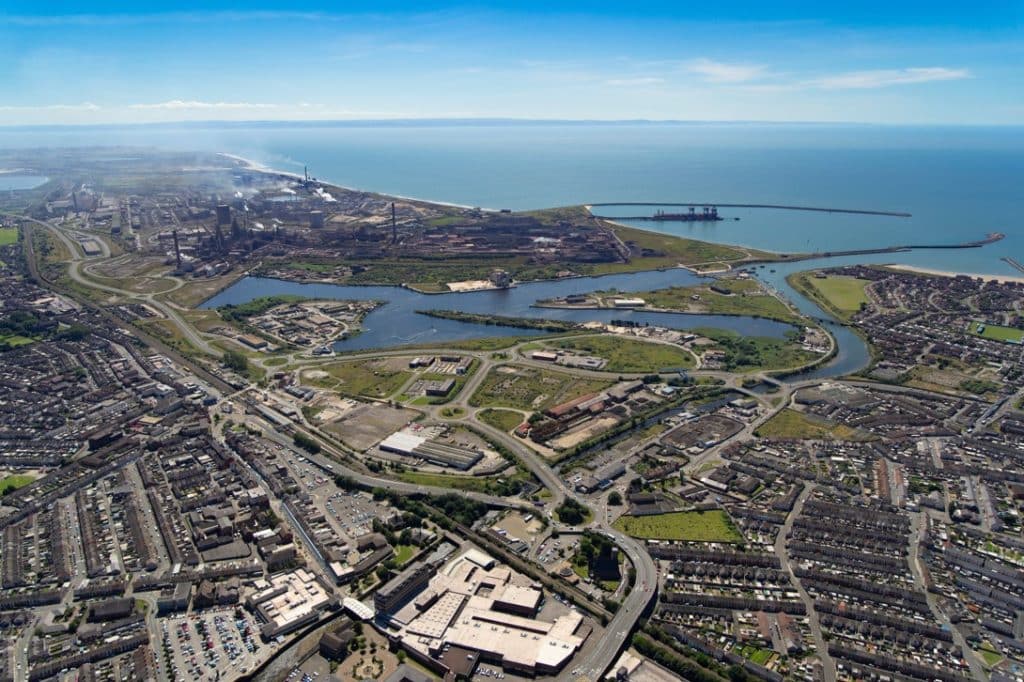

Associated British Ports (ABP) has announced a significant £50M design and build contract aimed at upgrading Port Talbot, enhancing its capabilities for future development.
- The project will include constructing a new access road, establishing a construction logistics zone, and restoring sand quarries.
- This strategic upgrade supports Port Talbot’s transformation into a hub for the floating offshore wind industry, aligning with green energy initiatives.
- The £500M Future Port Talbot programme leverages unique local advantages, such as the deep-water harbour, to promote innovation and economic growth.
- The port’s renovation is backed by government schemes and aims to position Port Talbot as a key player in the Celtic Sea’s flourishing renewable energy sector.
Associated British Ports (ABP) is inviting contractors to bid for a £50M design and build contract focused on upgrading Port Talbot as reported on the 7th of October, 2024. This critical development is part of the Future Port Talbot programme, which aims to significantly enhance the port’s infrastructure and operational capacity. The successful contractor will be tasked with designing and constructing a new access road, creating a construction logistics zone, restoring existing sand quarries, and levelling sites, with completion targeted by the first quarter of 2026.
The tender process is open until the 4th of November, with the selection of the winning bidder to be announced by the 28th of November. The duration of the contract is expected to be 14 months, with no provisions for renewal, underscoring the urgency and precision required to meet the project milestones.
This initiative is a component of ABP’s extensive £500M commitment to revamping Port Talbot, as part of a broader strategy to convert the site into a pivotal hub for floating offshore wind. This transformation leverages the port’s natural benefits, which include a sheltered deep-water harbour and significant areas of developable land.
The site is strategically earmarked to become a central location for the manufacture, assembly, and integration of offshore wind projects in the Celtic Sea. This aligns with governmental support through the Floating Offshore Wind Manufacturing Investment Scheme, aimed at catalysing innovation and fostering economic opportunities in Wales.
Port Talbot is among the few harbours equipped to handle Capesize vessels of up to 170,000 deadweight tonnage, enhancing its stature as a nationally strategic port asset. Annually, it manages approximately 6.6 million tonnes of cargo and facilitates over £760 million in trade. This positions the port as a crucial player in both regional and national economic frameworks.
Surveying work has commenced as part of preparatory activities for the Future Port Talbot programme, with Mott MacDonald and Royal Haskoning DHV involved in designing the masterplan for this pivotal redevelopment. This foundational work is crucial to ensuring the successful transformation of Port Talbot into a green energy hub, capitalising on its unique geographical and infrastructural advantages.
The enhancement of Port Talbot signifies a substantial step towards modernising infrastructure and leading Wales into a sustainable energy future.

