
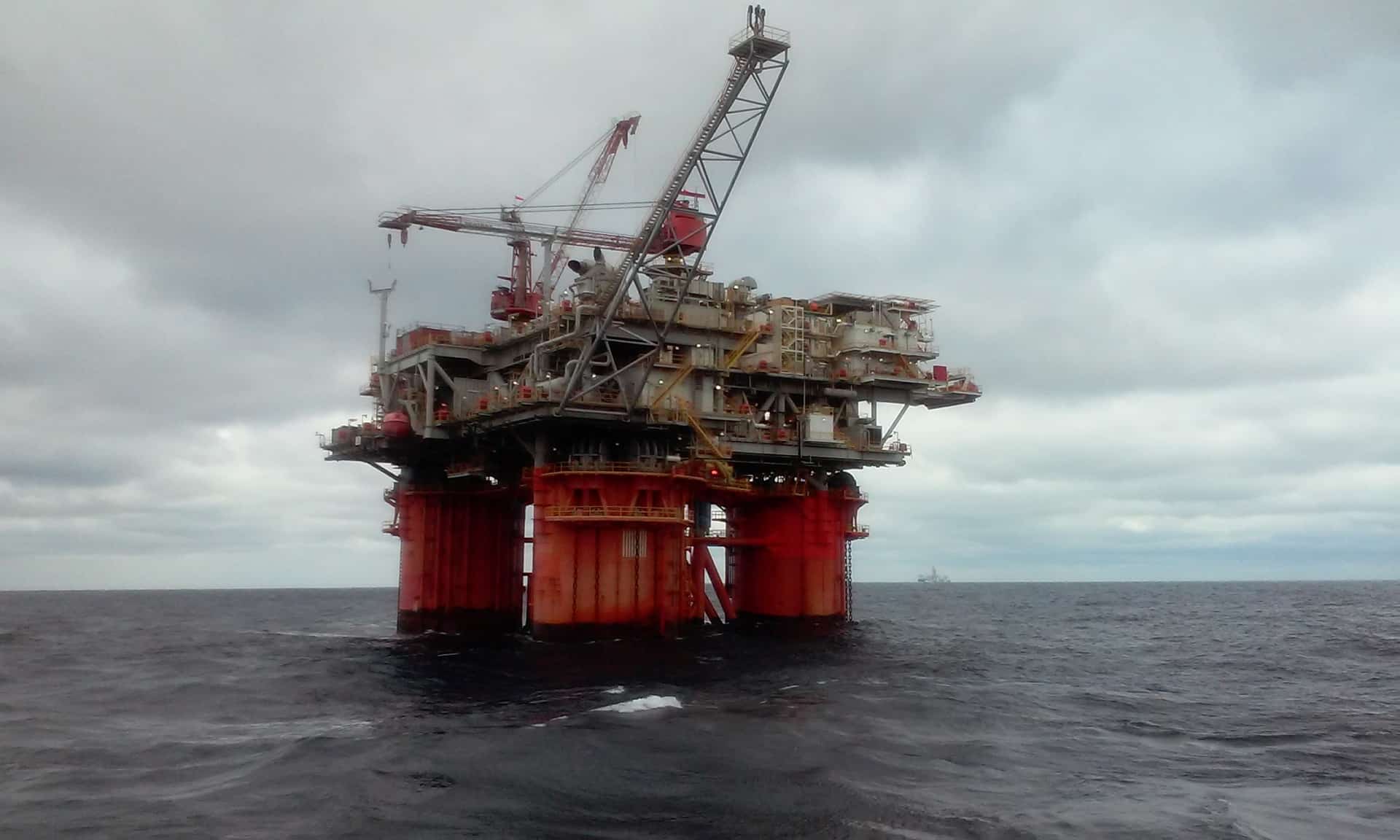

Aberdeen’s Rahd AI has developed a platform from data of over 15,000 oil wells, aiming to reduce North Sea decommissioning costs by £10bn.
- The platform analyses extensive validated data to improve decommissioning strategies, potentially reducing costs by up to 35%.
- Rahd AI collaborates with major energy firms, including Equinor and TotalEnergies, with support from UK and Australian governments.
- The initiative aligns with the UK’s target to cut decommissioning costs, offering substantial tax benefits through increased receipts.
- The significant dataset presents a comprehensive overview of oil fields and infrastructure, promising enhanced decommissioning plans.
Aberdeen’s Rahd AI is pioneering a transformative platform developed from a vast dataset of over 15,000 oil wells to tackle the North Sea oil decommissioning costs. The initiative aims to save approximately £10bn, significantly an impact on the U.K.’s energy sector. The collaboration includes six of the world’s leading energy companies, prominently Equinor and TotalEnergies. This effort employs a rapid implementation programme designed to cut the U.K.’s decommissioning expenses by potentially 35%, a critical issue confronting the government.
The platform’s foundation is built on validated data sourced from environmental documents, field plans, and various reputable agencies. This robust dataset, unprecedented in scope, maps key features of oil fields, allowing Rahd AI to generate actionable decommissioning plans. Rahd AI, a portfolio entity under Ventex, is led by Jake Stride, whose credentials include leadership roles in global energy technology at Microsoft and participation on the board of Subsea Energy Australia.
In a notable quote, Stride enthuses, “This is game-changing technology. We expect that Rahd AI will become the industry benchmark for decommissioning.” Partners, including operators and government entities, contribute recommendations, ensuring the platform’s output is practical and well-informed. These insights are anonymised and shared securely, forming the groundwork for cost-effective decommissioning strategies.
Moreover, a pilot project conducted in collaboration with industry experts and government bodies in Australia has showcased a 10% cost reduction using Rahd AI’s technology. The UK Net Zero Technology Centre, alongside industry giants like Repsol and ConocoPhillips, is validating the programme’s efficacy. The UK government has expressed an objective to reduce overall decommissioning costs by 10% by 2026 and up to 35% by 2035.
Projected savings from Rahd AI’s platform could lead to £8bn in additional tax revenues, enhancing public finances. The National Audit Office has highlighted potential £24bn decreases in tax receipts due to decommissioning costs, heightening the importance of Rahd’s contributions. With Rahd AI’s strategies, both government and industry may see a decrease in financial burdens. Steve Gray of Ventex praises the platform’s capacity to integrate, price, and reduce risks associated with decommissioning services. His colleague, Stuart McLeod, underscores the importance of data-sharing and collaboration for maximizing the platform’s efficiency.
In conclusion, Rahd AI’s innovative approach could not only revolutionise decommissioning in the North Sea but also deliver significant economic benefits.

