

AB InBev experiences a rise in profits for the third quarter despite a drop in volumes.
- The company’s profits increased by 13.9% to £1.48 billion, while sales grew by 2.1%.
- Overall volumes fell by 2.4%, with beer volumes specifically decreasing by 3.1%.
- Non-beer beverage volumes saw a slight increase of 0.6% amid tough markets.
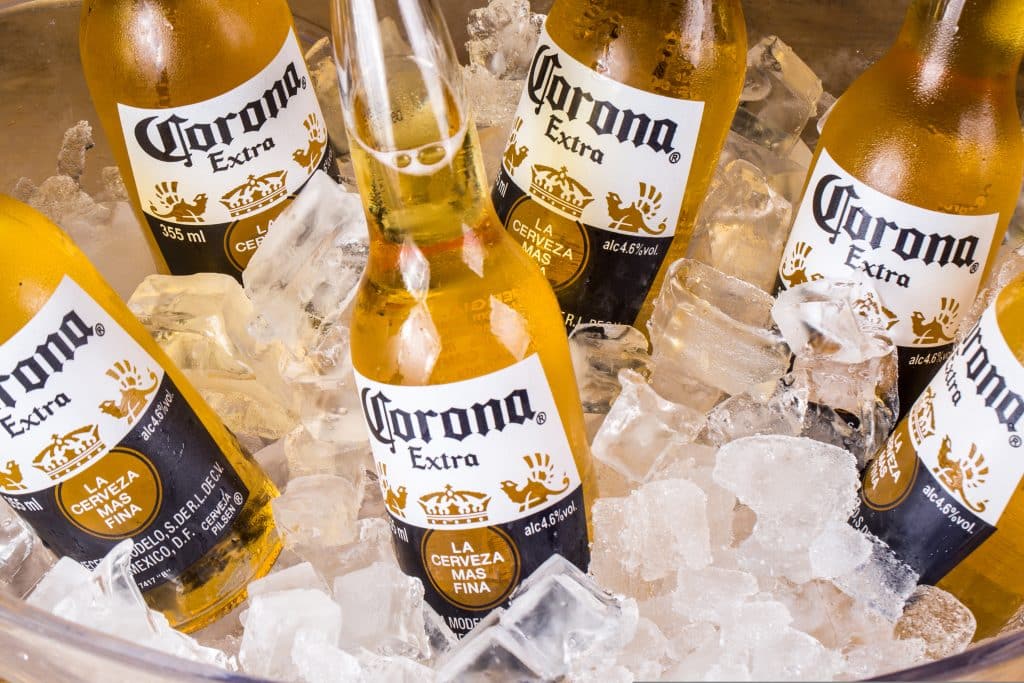
- Strong performance of megabrands, particularly Corona, which rose 10.2% outside its domestic market.
Anheuser-Busch InBev (AB InBev), a leading global brewer, has delivered a promising financial performance in the third quarter of 2024, posting a profit increase of 13.9% to £1.48 billion. This growth occurred despite facing challenging consumer conditions that contributed to an overall volume decline of 2.4% during the same period. The company’s sales showed resilience, edging up by 2.1% as it navigated a complex market landscape.
The drop in volumes was primarily attributed to a decrease in the consumption of the company’s core beer products, with beer volumes falling by 3.1%. However, the company’s diversified portfolio managed to cushion this blow to some extent, with non-beer volumes experiencing a modest increase of 0.6%. Products categorised as ‘megabrands’, such as Brahma, Cass, and Skol, demonstrated a robust performance, contributing significantly to the company’s financial health.
Among these brands, Corona emerged as a notable success story, achieving a remarkable growth of 10.2% outside its home market. This growth indicates the brand’s strong international appeal and strategic market positioning. AB InBev’s ability to leverage popular brands effectively is a testament to its strategic marketing and distribution efforts.
Chief Executive Michel Doukeris expressed confidence in the company’s financial trajectory, underscoring the importance of consumer passion for beer in driving future growth. Doukeris highlighted the performance of the megabrands and the effective execution of the company’s mega platforms as key factors in achieving growth in both revenue and margin expansion.
These results come on the heels of a challenging fiscal year for the UK division of AB InBev, which reported widened losses recently, despite price increases. Yet, the overarching corporate strategy and execution have allowed the global entity to perform strongly, maintaining an upbeat outlook for the full year with an EBITDA growth target set between 6% to 8%.
AB InBev’s strategic focus on its megabrands and market execution continues to reinforce its profitability amidst fluctuating volumes.

