
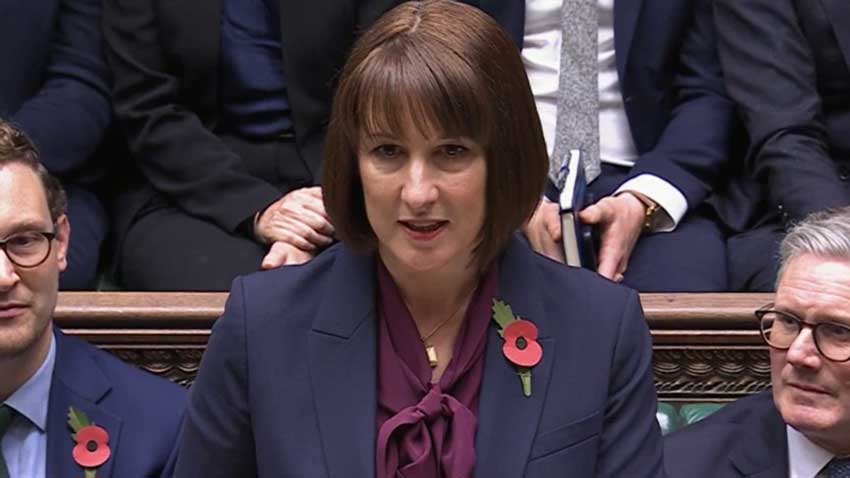

Rachel Reeves, as Chancellor, presented the Labour Party’s first budget in 14 years. It signifies a transformative approach in tackling Britain’s current challenges. This budget introduces pivotal reforms aiming to stabilise and renew national growth. As the first female Chancellor, Reeves has laid out ambitious plans focusing on investment and equity.
Introduction to the Labour Budget
Rachel Reeves unveiled the first Labour budget in 14 years, marking a significant moment as the first female Chancellor to do so. Her budget comes at a time when Britain has mandated change, seeking to renew a decade of stability. Reeves emphasised the importance of investment as a cornerstone for growth, repeating the mantra to ‘invest, invest, invest’.
Compensation and Public Services
A key component of this budget is Reeves’ commitment to allocate £11.8bn to compensate victims of the infected blood scandal and £1.8bn for those affected by the Post Office scandal. She highlighted the state of public services, noting NHS waiting lists, crumbling school infrastructure, and a legal system under strain. Reeves aims to rectify underfunding issues instigated by previous administrations.
Inflation and Economic Rules
Rachel Reeves confirmed that the Bank of England’s inflation target remains at 2%, as she expressed gratitude towards Bank staff and her predecessors for their guidance. Inflation was projected at 2.5% for the current year, slightly rising to 2.6% the following year. Reeves also introduced the ‘stability rule’, ensuring no borrowing for current expenditure, aiming for a budget surplus by 2029-30.
Growth and Fiscal Forecasts
Economic forecasts presented by Reeves pointed to a fluctuating growth trajectory. The GDP for 2024 is expected to rise by 1.1%, with a peak growth of 2% in 2025. However, projections thereafter indicate a downward trend, settling at a steady 1.5% by 2028. Despite these fluctuations, the commitment to maintaining fiscal discipline remains steadfast, showcasing Reeves’ balanced approach to economic management.
Fraud Crackdown and Welfare Reforms
Identifying welfare fraud as a significant drain on resources, Reeves announced measures expected to save £4.3bn by the end of the forecast period. Reforms to health and disability benefits are planned, alongside a vigorous crackdown on fraudulent welfare activities, characterised by direct bank account access to reclaim debts.
Adjustments in Tax Policies
Tax policy adjustments formed another critical aspect of Reeves’ budget. The national minimum wage sees an uplift, and carers will benefit from increased allowances. An increase in the employers’ national insurance to 15% and adjustments in capital gains tax rates highlight her approach towards equitable tax reform. Inheritance tax changes are also projected to bring in significant revenue.
Carer’s Allowance and State Pension
Significant changes include an increase in carer’s allowance thresholds and enhancing state pensions by up to £470. This, Reeves stated, is to ensure long-term financial stability for retirees, as aligned with the Triple Lock mechanism.
Investments in Education and Defence
Reeves allocated additional funding to support special educational needs and defence. The Ministry of Defence will receive a £2.9bn boost, while an additional £1bn is earmarked for educational facilities and breakfast club investments. Support extends to councils with funds to address homelessness and social care.
Debt Measures and Transport Funding
Changes to the debt measure are introduced under the ‘investment rule’, encouraging public investment. Transport commitments include securing funding for key rail projects, enhancing connectivity between major cities. This is part of a broader strategy to improve infrastructure and support economic growth across regions.
Environmental and Business Support
Reeves has aligned her budget with environmental and business priorities, including incentives for sustainable practices and investments in affordable housing. Additionally, local authorities are empowered to retain proceeds from council house sales, supporting community development initiatives.
Rachel Reeves’ budget represents a bold step towards rebuilding Britain’s economy and public services. Her focus on investment and reform is poised to renew stability. This newly introduced budget marks a significant move towards addressing longstanding issues with a clear agenda for the future.

