

Freight shipping is the backbone of global trade. Whether it’s goods coming from abroad or products moving across regions, freight is a critical part of modern commerce.
In this guide, we’ll break down what freight shipping is, how it works, the most common types used, and establish what the future holds for the global shipping network.
What Is Freight Shipping?
Freight shipping refers to the process of transporting goods in bulk, typically via road, sea, rail, or air. It’s a broad category that includes everything from small parcels to large containers of goods being moved across long distances.
How Does Freight Shipping Work?
There are several key steps involved in freight shipping:
- Pickup and Collection: Goods are first collected from their origin point, whether it’s a warehouse, factory, or retailer.
- Mode of Transport: The goods are then transported via the most suitable method — truck, ship, train, or plane — depending on the distance, volume, and urgency.
- Customs and Regulations: For international shipments, customs clearance is required to ensure goods are compliant with the laws of the destination country.
- Delivery: Finally, goods are delivered to their destination, whether that’s a port, warehouse, or directly to a consumer.
Types of Freight Shipping
Freight shipping comes in several forms, each tailored to meet specific needs. Understanding the differences between them can help businesses choose the most efficient and cost-effective shipping method for their products. Let’s explore the five main types of freight shipping: Full Truckload (FTL), Less Than Truckload (LTL), Sea Freight, Air Freight, and Rail Freight.
Full Truckload (FTL)
Full Truckload (FTL) shipping is the method used when a shipment requires the entire space of a truck. This option is ideal for larger or bulkier goods that cannot be shared with other customers. It allows for a direct route from the pickup point to the delivery destination, minimizing delays and potential risks of damage from frequent handling.
Less Than Truckload (LTL)
Less Than Truckload (LTL) is designed for smaller shipments that do not occupy an entire truck. In LTL shipping, multiple customers share space within a single truck, with each paying only for the portion of the truck they use. This makes it a cost-effective option for businesses that have smaller shipments to move but don’t need a full truck.
Sea Freight
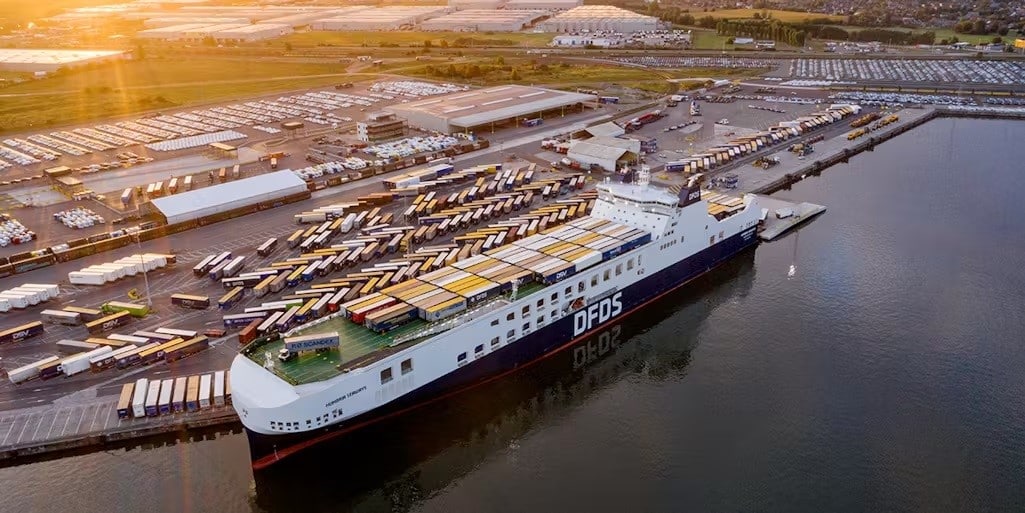
Sea freight, or ocean freight, is the process of transporting goods across long distances by sea. This is typically the go-to option for large, heavy shipments or bulk orders. Sea freight is the most economical method of shipping goods internationally, especially when the volume of the cargo justifies the cost-effectiveness of ocean transport.
Rail Freight
Rail freight involves transporting goods overland by train and is a popular option for long-distance shipping across large land areas. It is particularly cost-effective for businesses that need to move large quantities of freight over land without the need for expensive air freight or full truckload shipping.
The Future of Freight Shipping
As technology advances and sustainability becomes a greater focus, the future of freight shipping is looking brighter. Drones, autonomous trucks, and smart containers could soon revolutionize how goods are moved. Meanwhile, companies are working to reduce the environmental impact of their operations, creating a more efficient and sustainable global shipping network.
The changes taking place in freight shipping will not only make our goods move faster and more efficiently but also in a way that’s better for the planet. Keep an eye on this space – it’s an exciting time for the future of logistics.

