
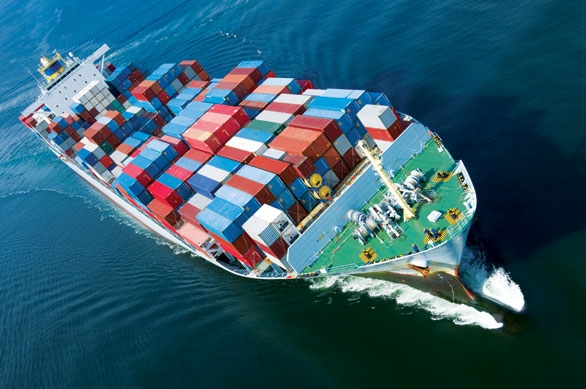

The shipping industry is grappling with sustained disruptions, significantly affecting global trade. Key issues are rooted in geopolitical tensions and infrastructural challenges.
Amidst rising costs and extended transit times, businesses and consumers alike are feeling the strain as companies adapt to new logistical realities.
Geopolitical tensions, notably involving the Iran-backed Ansar Allah movement’s actions in the Red Sea, have caused considerable disruptions in commercial shipping routes. This situation has been further complicated by the necessity for many vessels to bypass the Suez Canal, opting instead for the longer route around the Cape of Good Hope. These deviations are contributing to increased shipping costs and prolonged delivery times, creating widespread implications for global trade.
Retailers, in response, are increasingly cautious with their inventory commitments, resulting in out-of-stock scenarios. The increased costs are beginning to filter through to consumers, raising concerns about inflation in the upcoming seasons.
The reduced sea freight capacity due to fewer containers being returned to Asia is adding to the challenge, thereby necessitating longer wait times. Retail operations are being forced to adapt, ensuring a delicate balance between stock availability and cost management.
Steve Sinclair from The Regatta Group highlights the importance of remaining vigilant on delivery schedules, especially since their business model is seasonally driven. The company is faced with balancing the need for prompt deliveries against escalating costs.
Lakeland’s shift to alternatives besides China demonstrates a proactive approach towards mitigating future risks related to shipping delays. This strategy is crucial in ensuring business continuity amidst fluctuating international freight conditions.
Maintaining vigilance over production and delivery schedules remains crucial for retailers to sustain competitive advantage. The focus on accurate timing and strategic planning is vital in navigating these persistent challenges.
The shipping industry is navigating a transformative period, driven by geopolitical, logistical, and economic factors. Adaptability and strategic foresight are essential for businesses to thrive in this new era of global trade.
As the industry grapples with these challenges, proactive strategies will determine businesses’ resilience. The ability to adapt to shifting logistics will define success in this turbulent landscape.
The ongoing situation underscores the need for agility in supply chain management, as unforeseen variables continue to shape the global market.
