
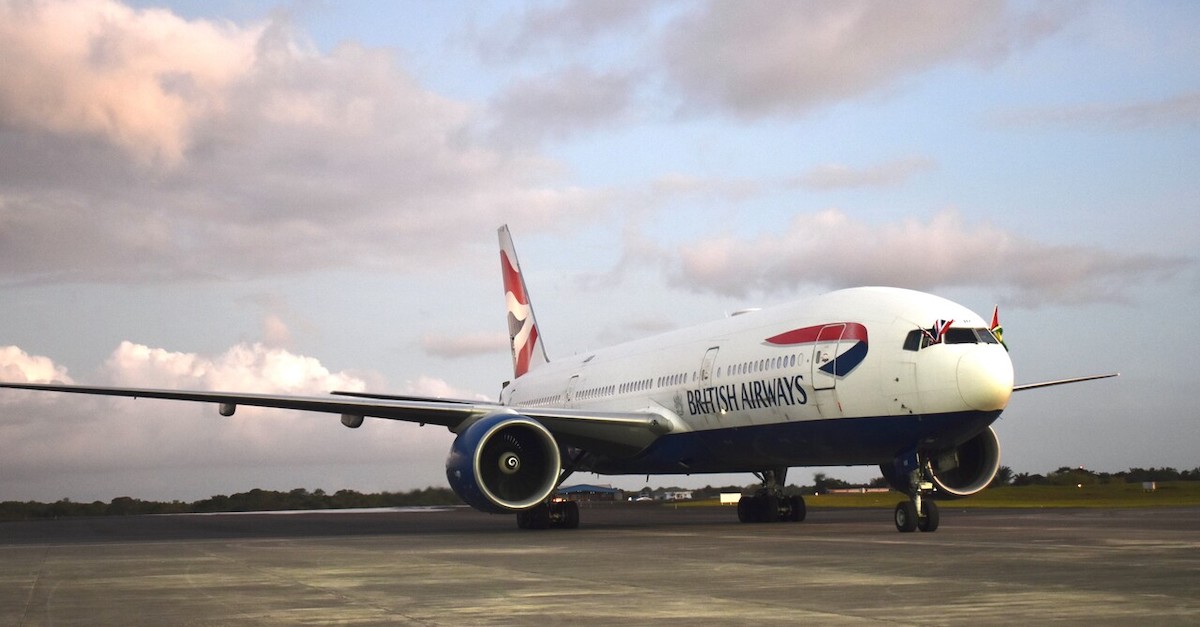

British Airways recently reported disruptions in their flight schedules, attributing the delays to congested airspace.
The airline emphasises the challenges posed by increased congestion and unpredictable weather, which have significantly impacted operations this summer.
Impact of Airspace Congestion
British Airways has identified airspace congestion as a primary factor disrupting their flight schedules this summer. According to Richard Treeves, head of integrated operations control, the congestion stems from increased demand and ongoing geopolitical situations, such as the conflict in Ukraine. This has predominantly affected flights from the UK to destinations like Greece, Turkey, and Cyprus, highlighting the broader challenges in European airspace.
The congestion is not exclusive to British Airways, as many airlines face similar difficulties. Treeves noted the significance of the issue at the Business Travel Association conference in Gibraltar, stressing that this problem is industry-wide.
Weather Complications
In addition to airspace congestion, British Airways has struggled with increasingly unpredictable weather patterns. This has made maintaining their schedules more challenging, particularly during the summer months.
Unpredictable weather has been cited as a major hurdle, exacerbating the existing operational challenges due to air traffic limitations. Weather conditions have made it difficult for the airline to adhere to planned flight timetables, thus contributing to delays.
Operational Challenges and Responses
Treeves contends that despite these issues, British Airways continues to outperform other European legacy carriers. Their operational scale, with over 850 flights daily and 100 aircraft in the air at any given time, makes them particularly vulnerable to congestion and delays.
The airline remains committed to improving its performance, focusing on technology and collaboration with air traffic control and airport teams to mitigate airspace constraints.
Industry-Wide Concerns
Treeves reiterated that British Airways is not alone in facing these challenges. He emphasised the broader industry issues during his address at the BTA conference.
The collective impact on the airline industry underscores the need for strategic initiatives to manage airspace congestion and improve scheduling efficiency across the board.
The future operational landscape is expected to demand greater strategic foresight and cooperation among airlines and aviation authorities.
Future Strategies and Technological Innovations
In tackling these operational hurdles, British Airways is looking towards technology and strategic planning to bolster their future resilience.
Modelling different scenarios for upcoming summer schedules forms a part of their strategy, aiming to predict flight arrivals more accurately. This may involve routing aircraft through less congested paths, albeit longer.
Collaborative efforts with National Air Traffic Services (NATS) and airport teams are underway, exploring technological advancements to enhance air traffic management. A focus on innovation is seen as pivotal in overcoming the constraints posed by congested airspace and adverse weather.
Conclusion
The situation underscores the complex interplay of variables affecting airline punctuality, from geopolitical incidents to climate unpredictability.
British Airways’ proactive approach indicates a broader industry movement towards more robust operational frameworks. Such efforts are crucial for enhancing reliability and efficiency in air travel.
Final Thoughts
Overall, the airline’s commitment to addressing these issues reflects a strong focus on improving passenger experiences and operational efficiency.
The emphasis on technology and collaborative initiatives is poised to play a vital role in navigating future challenges, setting a precedent for the industry.
In conclusion, British Airways’ challenges reflect a wider issue in the airline industry, necessitating strategic responses to airspace congestion and weather unpredictability.
Through technological and strategic initiatives, the airline aims to enhance its operational efficiency, setting a benchmark for industry standards.
