
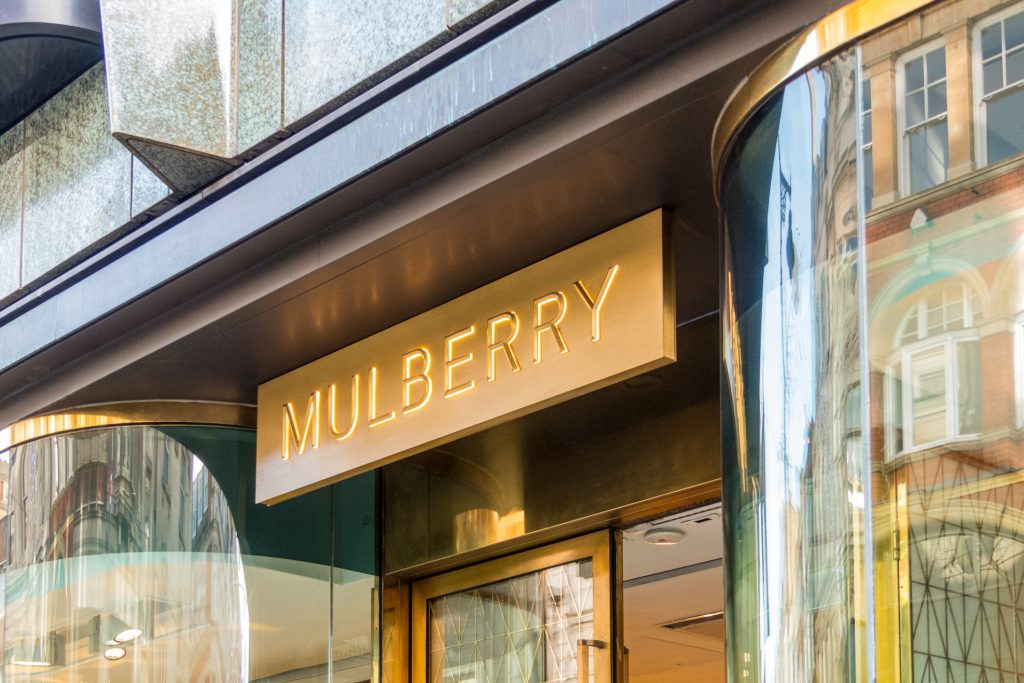

In a dynamic turn of events, Frasers Group has intensified its pursuit of Mulberry by acquiring additional shares, enhancing its stake in the renowned luxury brand.
Last week witnessed unforeseen developments, with Frasers Group stepping up its acquisition strategy, while Mulberry faces strategic challenges amidst legal battles and financial pressures.
Recent Acquisition Moves
The Frasers Group recently confirmed the purchase of 3.93 million additional shares in Mulberry, marking a significant development in their acquisition strategy. Priced at 100 pence per share, this acquisition attempt follows a rejected £83 million bid for the luxury retailer.
In previous weeks, Mulberry announced intentions to raise £10 million through new ordinary shares and a retail offer. Frasers, unaware of this proposed fundraising, expressed concerns, citing a “total lack of engagement” from Mulberry.
Frasers Group’s Strategic Intentions
Frasers Group is determined to avoid a repeat of the “Debenhams situation”, as outlined in their assertive statement. They continue to bolster their stake in Mulberry, moving from 36.8% to 37.2% through a strategic “clawback” arrangement made with major shareholders.
This manoeuvre highlights Frasers Group’s unwavering commitment to increasing their influence in the luxury retailer, despite prior setbacks.
Challenges Within Mulberry
Recent events have been turbulent for Mulberry, especially with the legal challenges faced by majority owner Ong Beng Seng.
Charged with obstruction of justice and abetment related to the Singapore gifting scandal, Ong’s involvement brings additional pressure on Mulberry’s operations.
Mulberry’s financial results indicate a loss before tax of £34.1 million, a stark contrast to the previous year’s profit. Revenue also fell by 4%. These fiscal challenges demand a re-evaluation to stabilise the company.
Industry Perspectives
Roger Saul, Mulberry’s founder, has voiced concerns over the Frasers Group’s takeover intentions. He suggests a partnership with luxury entity LVMH may better align with Mulberry’s brand heritage.
Saul believes in reviving the original spirit of the brand, emphasizing authenticity and traditional values.
Financial Performance
The fiscal year has not been kind to Mulberry, reporting a significant financial downturn. The loss before tax amounts to £34.1 million, drastically reversing the £13.2 million profit reported in the previous year.
Revenue dropped by 4%, underpinning the operational challenges encountered in the second half. These figures illustrate Mulberry’s need for a strategic turnaround.
Ongoing Developments
Frasers Group’s bold steps in acquiring more shares represent a calculated move amid ongoing challenges. Their persistent efforts reveal a strategic push to cement their position in the luxury market.
Mulberry’s future hangs in the balance as both internal and external factors continue to shape their path ahead. Strengthening their financial structure remains pivotal.
Conclusion of Developments
The developments surrounding Frasers Group and Mulberry underline a complex landscape. Frasers Group’s strategy is clear: expand its stake to gain greater control, while Mulberry grapples with financial instability and legal woes.
The path forward will require calculated decisions and potentially new partnerships, as stakeholders seek the most beneficial outcome.
The saga between Frasers Group and Mulberry is marked by strategic investments and operational hurdles. As legal dilemmas and financial deficits loom, clear decisions are crucial for Mulberry’s future.
Frasers Group’s commitment to strengthen its position signals an aggressive acquisition approach, shaping the luxury market landscape.
