
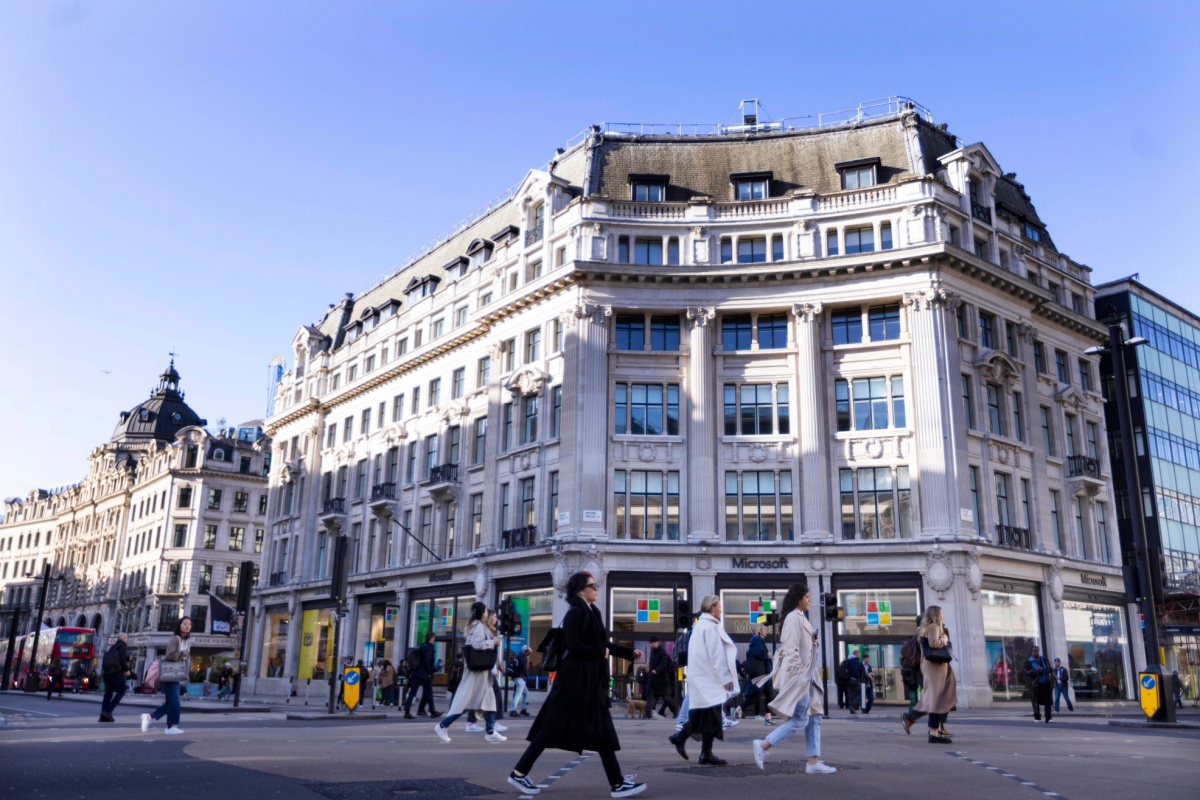

Mayor Sadiq Khan proposes to pedestrianise Oxford Street in an effort to rejuvenate the prominent shopping district.
Amidst long-standing discussions and prior objections, Khan seeks to implement a transformative vision, enhancing the street’s appeal while addressing economic and environmental concerns.
Sadiq Khan’s Vision for Oxford Street
London’s Mayor Sadiq Khan unveils an ambitious plan to pedestrianise Oxford Street. This iconic thoroughfare has been at the centre of discussions aimed at restoring its former status as a world-leading shopping destination. Despite facing objections from Westminster Council, Khan is determined to advance his vision, seeking to address concerns that have previously stalled progress.
With the establishment of a mayoral development area, Deputy Prime Minister Angela Rayner is anticipated to support Khan’s proposal. Since its initial introduction in 2017, this plan has aimed to enhance the shopping experience while reducing vehicular congestion. The new initiative intends to foster a more accessible, vibrant environment for both shoppers and businesses.
Economic Implications
Economic forecasts suggest a substantial boost in spending and tax revenue as footfall is anticipated to rise with the pedestrianisation of Oxford Street. The Local Data Company reported a concerning number of vacancies compared to other British high streets last year, highlighting the urgency for revitalisation.
With major stores such as House of Fraser and Debenhams closing, the need for a transformation becomes apparent to maintain the area’s commercial vitality. The newly implemented changes are expected to enhance Oxford Street’s appeal and attract new investments, thereby generating additional economic activity.
Traffic and Transport Considerations
Rerouting buses and other vehicular traffic remains a pivotal concern. Past proposals encountered resistance due to potential disruption to public transport routes.
The present scheme integrates solutions to maintain transport efficiency while prioritising pedestrian access. Stakeholders hope the adjustments will mitigate previous logistical challenges and secure smoother operations. Balancing transit and pedestrian needs will be crucial to the project’s success.
The initiative also promises to improve air quality by significantly reducing vehicle emissions in the area. With a decrease in traffic congestion, cleaner air and safer streets are anticipated, contributing to a healthier urban environment for residents and visitors alike.
Historical Context and Challenges
The discussion surrounding Oxford Street’s pedestrianisation has persisted for years with varied stakeholder opinions. Previous notions met with mixed reactions, emphasising the complexity of implementing such an extensive change.
Many businesses have expressed concerns over accessibility and potential declines in customer numbers during the transition period. However, proponents argue it’s a step needed to maintain Oxford Street’s competitive edge.
This complex history underlines the challenge of reaching a consensus. Yet, progress hinges on collaborative efforts between governmental bodies, businesses, and residents.
Rejuvenation Post-Pandemic
Post-pandemic recovery strategies are at the forefront of the pedestrianisation plan. Oxford Street, which attracts approximately 500,000 visitors daily, seeks to regain its prominence after pandemic-related setbacks.
Closures during lockdowns affected visitor numbers, yet the opportunity to reimagine the street presents new possibilities. Khan’s vision aims to adapt to current consumer behaviours, offering a learner, more attractive shopping experience. The recovery plan aligns with broader urban development goals, emphasising sustainability and economic recovery.
The pedestrianisation effort is seen as part of London’s wider commitment to fostering resilient urban spaces that cater to evolving shopper expectations while promoting long-term economic health.
Public and Business Reaction
Public reaction to the plans has been varied. While some residents and business owners support the move, citing potential growth, others remain sceptical about its impacts..
Engagement with community stakeholders continues to be a focal point, ensuring their concerns are addressed in the implementation phase. Khan’s administration is focusing on transparent communications to reassure stakeholders of the plan’s benefits, aiming to consolidate widespread public endorsement.
By addressing the fears and providing clear evidence of potential gains, the initiative aims to harness collective support, driving Oxford Street’s revitalisation forward.
Conclusion
The realisation of the pedestrianisation plan is on the horizon, promising a revived Oxford Street that balances commercial success with urban living. This initiative reflects a dynamic shift towards modernising one of London’s most prized retail hubs. By pioneering such urban transformations, the city sets a precedent for sustainable urban development, paving the way for future developments.
The pedestrianisation of Oxford Street stands as a pivotal urban initiative under Sadiq Khan’s leadership. This plan aims to revitalise the area, ensuring its status as a global shopping destination.
By addressing transportation, environmental, and economic aspects, the initiative promises a sustainable future for this iconic street.
