
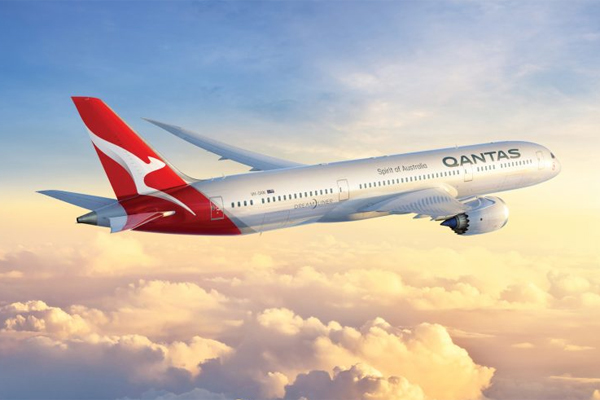

In a recent event that caught widespread attention, Qantas inadvertently sold first-class tickets worth over £10,000 at an 85% discount. This significant markdown resulted from a technical glitch on the airline’s website, causing a stir among potential travellers eager for a deal.
The error, which lasted for approximately eight hours, promised luxury travel at a fraction of the intended cost. However, Qantas has since addressed the mishap, offering affected customers business class seats or a full refund.
The Glitch and Its Impact
A substantial fare miscalculation led to Qantas selling over 300 first-class tickets at a mere fraction of their usual cost. The mistake was due to a coding error on the airline’s website, granting potential travellers an unplanned opportunity to purchase return flights to the United States with massive savings.
The unexpected pricing error undoubtedly attracted a surge of activity from keen flyers. While it may have initially seemed like a golden ticket to luxury, the reality of the situation soon became apparent.
Response from Qantas
In response to the error, Qantas moved quickly to address the oversight. The airline communicated that customers who purchased tickets at the discounted rate would be rebooked into business class at no extra charge, providing an alternative that still ensured premium travel experiences.
Qantas has assured customers that they also have the option of a complete refund should they choose not to accept the business class alternative.
Qantas’s swift response highlights the importance of addressing such errors promptly to maintain customer trust. The airline’s willingness to offer alternatives, such as business class rebookings or full refunds, demonstrates a commitment to customer satisfaction despite unforeseen circumstances.
Customer Reactions and Expectations
The situation has sparked interest and mixed reactions from customers and the general public alike. With such a significant discount offered inadvertently, many are curious about the airline’s anticipated course of action and potential customer retention strategies.
Passengers who secured tickets at the reduced price have expressed mixed feelings. Some appreciate the unexpected windfall, while others are understandably disappointed by the downgrade to business class. Regardless, the overall sentiment seems to be understanding, given the scale of the error.
Social media platforms were abuzz with discussions on the drastic ticket price drop, leading to both praise for transparency and calls for fair treatment of affected travellers.
Industry Implications
Such errors underscore the potential vulnerabilities in global airline ticketing systems. While rare, similar instances have occasionally occurred across the industry, highlighting the need for robust digital infrastructures and regular system audits.
The aviation industry could see this incident as a learning opportunity. By enhancing online security and developing stronger algorithms to prevent such glitches, airlines may better protect both their reputation and their customers’ interests.
Legal and Policy Perspectives
The incident also raises questions regarding consumer rights and airline responsibilities. Contractually, airlines reserve the right to rectify obvious errors, but the challenge lies in managing customer expectations post-incident.
Qantas’s terms and conditions provide them the authority to cancel bookings affected by errors. Yet, their approach in offering compensation reflects a broader strategy to balance legal rights with customer relations. Maintaining transparency and goodwill remains critical in such scenarios.
Ultimately, this serves as a compelling case study in the complex intersection of aviation law, customer service, and digital integrity.
Future Preventative Measures
To prevent recurrence, airlines could invest in advanced monitoring systems capable of detecting anomalies in pricing and booking processes rapidly. This proactive approach would minimise the risk of similar incidents in the future.
Additionally, regular training and updates for IT staff on emerging vulnerabilities can ensure that systems remain secure and robust against potential glitches.
Conclusion and Reflection
The Qantas incident serves as a pertinent reminder of the intricate balance between technology and customer relations within the airline industry. As digital platforms continue to evolve, ensuring seamless and error-free operations becomes increasingly paramount.
The recent Qantas fare error, while unfortunate, offers valuable lessons for the airline industry in enhancing digital safeguards. By addressing customer concerns swiftly and transparently, Qantas has taken steps to mitigate reputational damage and reaffirm commitment to service excellence.
