

The UK government is poised to introduce new regulations for Buy Now Pay Later (BNPL) services.
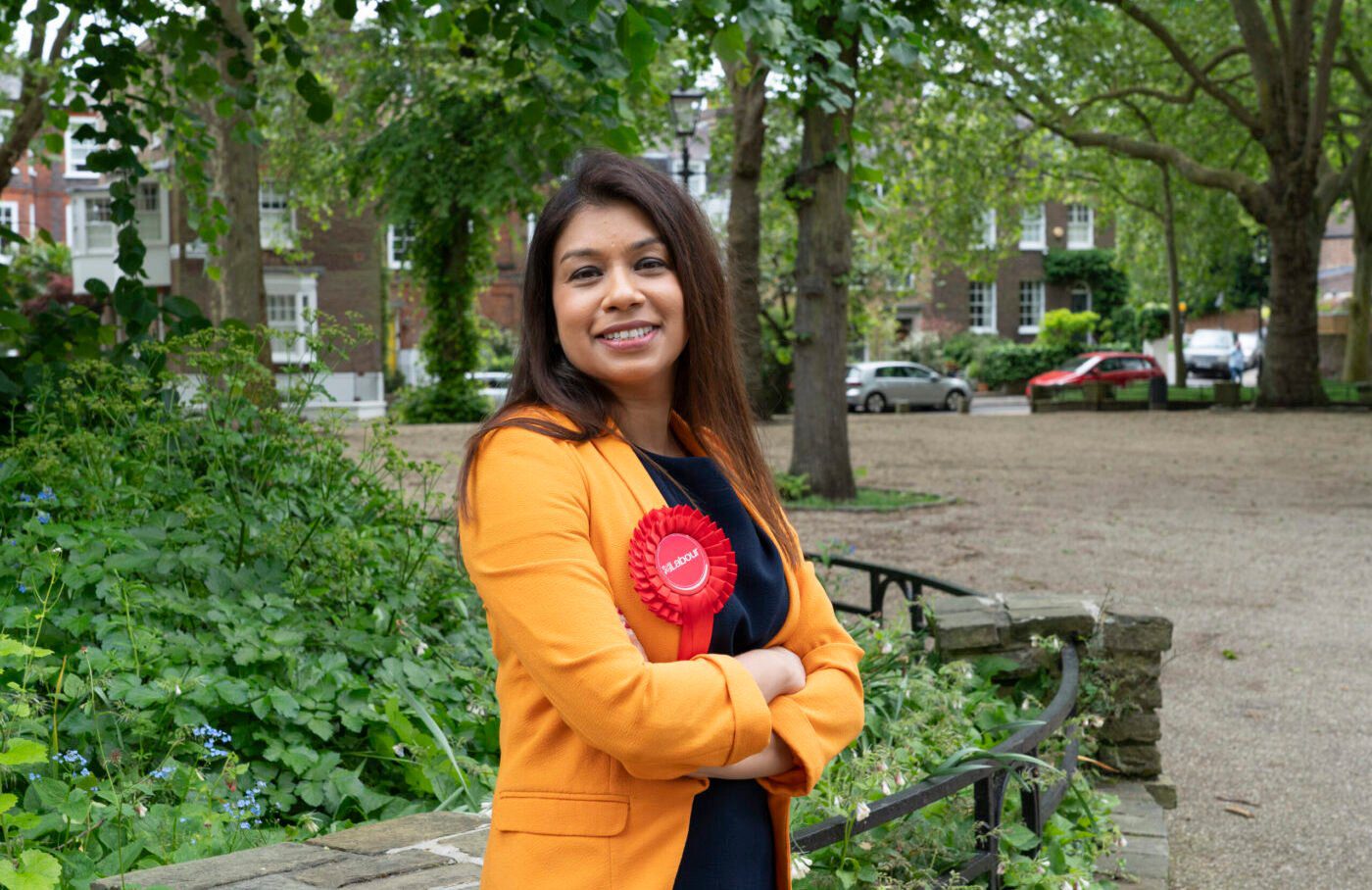
- City Minister Tulip Siddiq has voiced significant concerns about the potential debt risks posed by BNPL technologies.
- The regulation aims to address issues of unregulated loans and consumer vulnerability.
- There is a rising call for transparency from BNPL providers regarding financial risks.
- Some BNPL companies have preemptively adopted safety measures anticipating upcoming regulations.
In a move that signals increased regulatory scrutiny, Tulip Siddiq, the UK’s City Minister, announced the imminent introduction of new rules governing the Buy Now Pay Later (BNPL) sector. Speaking at the Labour Party Conference, Siddiq highlighted the potential financial pitfalls associated with BNPL services, which enable consumers to defer payments on purchases over weeks and months. This service, while offering flexibility, has raised alarms about users accruing debt without fully understanding the implications, particularly among vulnerable groups.
The City Minister’s remarks underscore a commitment to fulfilling Labour’s promise to bring BNPL services under stricter oversight. Siddiq pointedly noted that many users have experienced financial turmoil due to a lack of transparency in the terms and conditions associated with such services. She drew parallels between BNPL services and payday lenders, notorious for their high-interest rates and aggressive lending practices, further reinforcing the need for regulatory intervention.
Consumer advocacy and regulatory groups have long contended that BNPL arrangements often operate as loans without adequate consumer protection, a sentiment echoed by Siddiq. She has already initiated dialogues with BNPL providers, suggesting that companies like Klarna and Zilch are receptive to regulation. Both firms have reportedly started aligning their operations with prospective regulatory requirements, including implementing credit reporting measures.
Additionally, there is a broader market concern articulated by Luke Charters, MP and chair of the Fintech All-Party Parliamentary Group. Charters expressed scepticism about the appropriateness of BNPL usage for low-cost everyday items, such as takeaway meals, indicating that certain market segments might not benefit from the BNPL model. His views add another layer of complexity to the regulatory debate, stressing the need for a balanced approach that considers varied consumer scenarios.
The impending regulations are a crucial step in addressing the complexities and risks of BNPL services, ensuring consumer protection and market transparency.
