
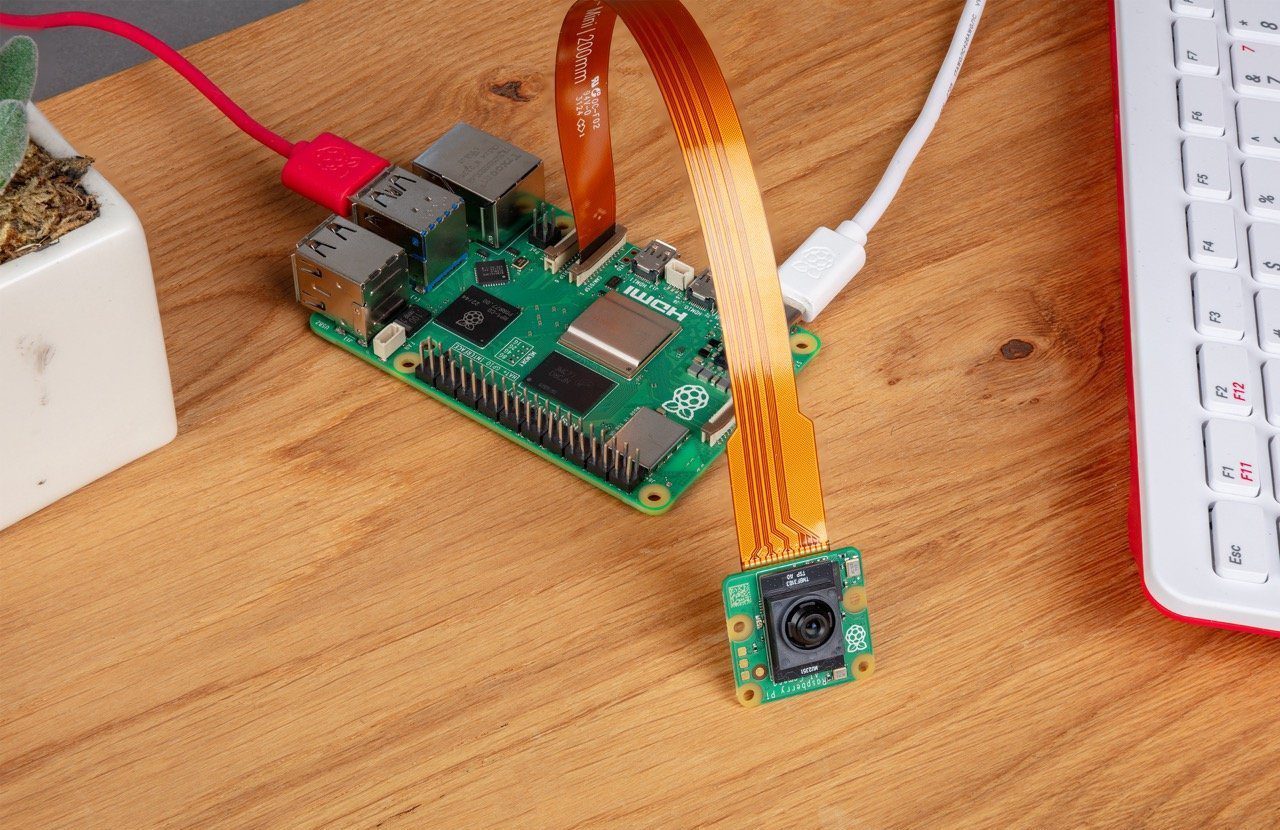

Raspberry Pi, a prominent player in budget computing, has unveiled a Sony-powered AI camera.
- The new AI camera enhances the company’s AI solutions by integrating imaging capabilities.
- This launch follows Raspberry Pi’s first results announcement after going public on the London Stock Exchange.
- The camera utilises Sony’s IMX500 image sensor with a built-in AI accelerator.
- Raspberry Pi has noted the usefulness of AI-based image processing in global development.
Raspberry Pi, widely recognised for its affordable computing solutions, has launched a new AI camera that enhances its artificial intelligence offerings. The introduction of this camera marks a significant development in Raspberry Pi’s product line, particularly for AI solutions that require robust image processing capabilities. The AI camera aims to streamline the process of capturing and analysing visual data, making it an attractive tool for developers worldwide.
This new AI camera incorporates the IMX500 image sensor, developed by long-time Raspberry Pi partner Sony Semiconductor Solutions. The integration of this sensor introduces a powerful AI accelerator that facilitates advanced image processing directly on the device. Such capabilities are poised to significantly enhance the efficiency and functionality of AI developments that depend on visual data.
Eben Upton, CEO of Raspberry Pi, expressed excitement about this collaboration with Sony: “AI-based image processing is becoming an attractive tool for developers around the world. Together with our longstanding image sensor partner Sony Semiconductor Solutions, we have developed the Raspberry Pi AI Camera, incorporating Sony’s image sensor expertise. We look forward to seeing what our community members are able to achieve using the power of the Raspberry Pi AI Camera.”
The AI camera comes at a time when Raspberry Pi is adjusting to its recent public listing on the London Stock Exchange, which occurred in June. The company’s initial results as a public entity showed a 61% increase in revenue, reaching $144 million in the first half of the year, alongside a pre-tax profit of $10.8 million. This financial leap underscores the market’s positive reception to Raspberry Pi’s expanding capabilities.
However, Upton has cautioned about a potential slowdown in consumer activity post-IPO. Nevertheless, this latest product offering is poised to uphold Raspberry Pi’s innovative trajectory, potentially countering any tapering in market engagement.
The launch of Raspberry Pi’s new AI camera is a promising advancement that aligns with their growth objectives and market potential.
