
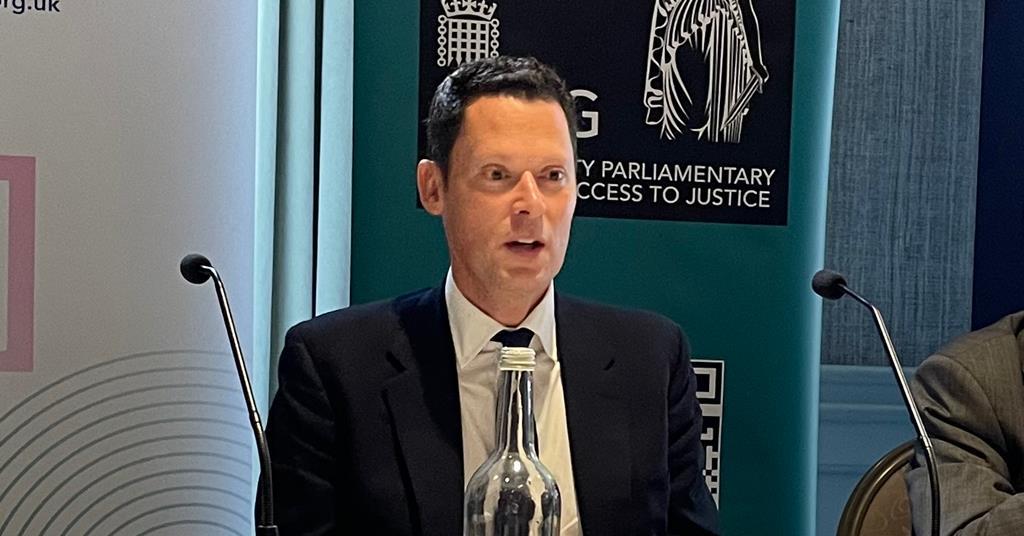

At a recent conference, attention was turned towards the Crown court’s role in handling UK legal cases.
- Former Justice Secretary Alex Chalk proposed refocusing Crown courts on only the most serious cases.
- A pressing concern is the current Crown court backlog, impacting case efficiency and prioritisation.
- The 2001 Auld review was highlighted as a model for restructuring that warrants reconsideration.
- Increased powers for magistrates are considered to potentially alleviate the burden on Crown courts.
During the Conservative Party Conference, former Justice Secretary Alex Chalk emphasised the necessity of reforming the court system, with a particular focus on restricting the Crown court’s purview to only the most serious cases. This suggestion comes amidst ongoing difficulties in the legal system, particularly in dealing with a significant backlog of cases.
Chalk’s proposition to revisit the 2001 Auld review advocates for a unified court structure. This would entail the establishment of a three-tier system: the Crown division, the magistrates’ division, and a new intermediate district division comprising a professional judge alongside two lay magistrates. The aim is to streamline legal proceedings and allow the Crown court to concentrate its resources on severe cases requiring more intensive scrutiny.
A key point in Chalk’s address pertained to the current automatic right to Crown court trials for individuals accused of relatively minor offences, such as possession of Class C drugs. Chalk questioned the efficiency of utilising Crown court resources for such cases, suggesting that offences with maximum sentences of two years might be better managed by the intermediate division. This would reserve the Crown court’s capacity for more severe matters.
The government is contemplating enhancing magistrates’ sentencing powers as a strategy to reduce pressures on remand facilities. Chalk acknowledged some effective strategies from the opposition but stressed that these alone are insufficient to clear the existing backlog. He pointed to previous efforts like Nightingale courts and increased sitting day allocations as steps in the right direction but noted the need for further advancements.
Chalk reiterated the need for the Crown courts, including those at Isleworth and Snaresbrook, to focus on serious cases that truly necessitate their attention. He advocates for a thoughtful examination of which cases warrant a choice of trial method and which are suitable for summary trials, implying a systemic refinement could substantially benefit case management efficiencies.
The conference underscored the urgency of restructuring the court system to enhance efficiency and manage the backlog effectively.
