
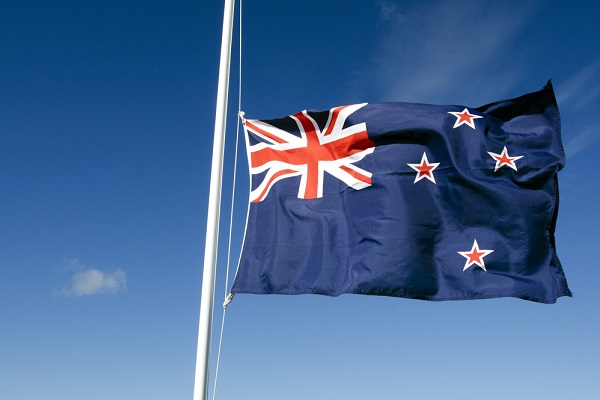

New Zealand is facing scrutiny over its decision to elevate tourism levy and visa fees, feared to delay recovery.
As travel restrictions ease globally, New Zealand’s increased fees could deter tourists, impacting its economic recovery.
Impact on Tourism
The increase in New Zealand’s International Visitor Conservation and Tourism Levy (IVL) has stirred significant concern within the travel industry. The levy, originally set at NZ$35 (£16.50), will rise to NZ$100 (£47) in October. This surge is viewed as a deterrent for potential visitors, complicating the recovery of the tourism sector post-pandemic.
The rise in visa fees compounds the challenge, presenting a ‘double whammy’ that could extend the recovery period for visitor numbers beyond 2026. It contrasts sharply with the global trend of easing travel restrictions to boost tourism. This comes at a time when markets like Australia and Canada have rebounded to pre-pandemic levels or are on track to do so by 2024.
Economic Consequences
Dr Xie Xingquan, Iata’s regional vice-president for North Asia and Asia-Pacific, has been vocal about the economic impact of these changes. He argues that the tourism sector, a pivotal component of New Zealand’s economy, will suffer considerably. The government forecasts a reduction in economic activity, with more revenue lost than gained from the new levy.
This approach might hinder New Zealand’s competitive edge in attracting tourists compared to other markets. An example is Thailand, which has opted to eliminate travel taxes to encourage spending. The concern is that New Zealand’s policies might stifle potential growth in its tourism sector, affecting overall economic recovery and international competitiveness.
Public and Industry Response
The public consultation on the IVL increase has raised questions. Iata participated actively, submitting a request to maintain the current levy. Despite these efforts, the government proceeded with the increase during an ongoing consultation, leading to doubts regarding the process’s effectiveness.
The tourism industry and stakeholders argue that alternative solutions should be considered. They urge the government to rethink the allocation of the levy funds, prioritising projects that enhance the tourism sector’s sustainability and decarbonisation. This approach could bolster the sector’s resilience and promote a sustainable recovery.
Comparative Analysis
New Zealand’s strategy appears misaligned when compared to other global players. Countries like Spain, France, and the US are aggressively restoring and promoting their tourism sectors to pre-pandemic levels. In contrast, New Zealand’s increased costs may hamper its appeal as a destination.
Thailand’s example, where the tourism tax was scrapped, provides a stark contrast. The aim was to stimulate traveller spending across other sectors. New Zealand’s levies might deter potential visitors, shifting their interest to more affordable destinations offering comparable experiences, thus impacting New Zealand’s tourism revenue streams.
Challenges in Implementation
The implementation of the increased levy raises practical challenges. The government has not clarified how the additional funds will be utilised, causing industry frustration. The call for investment in green projects like aviation decarbonisation remains unaddressed, leaving a gap in sustainable development strategies.
The tourism sector fears that without clear guidance on fund allocation, the levy might not serve its intended purpose. Instead, the revenues should support projects that enhance the country’s environmental initiatives, aligning with global sustainability goals. Such investments are crucial to maintain the sector’s long-term viability and appeal.
Moreover, industry experts suggest that transparency in fund distribution could improve stakeholder confidence. By ensuring that the new levy supports significant environmental and tourism-enhancing projects, New Zealand could pioneer a model for sustainable tourism levy use.
Iata’s Recommendations
Iata emphasizes that New Zealand should channel the levy funds into projects that facilitate the aviation sector’s decarbonisation. Such initiatives could include developing sustainable aviation fuels and enhancing energy efficiency within the industry. The organisation also suggests possible collaborations between the government and private sector stakeholders to maximise the impact.
Dr Xie Xingquan reaffirms that focusing on these areas would ensure that the additional levy has a tangible positive impact on the environment. This strategy could enhance New Zealand’s image as an eco-friendly destination, attracting environmentally-conscious travellers and promoting long-term tourism growth.
Future Outlook
The future of New Zealand’s tourism sector remains uncertain in light of these developments. If appropriately managed, the levy could become a tool for sustainable tourism growth, aiding environmental conservation efforts. However, mismanagement might lead to prolonged impacts on visitor numbers and the broader travel sector’s recovery.
In conclusion, the recent increases in the tourism levy and visa fees present New Zealand with both a challenge and an opportunity. Strategic allocation of the levy could fuel sustainable growth in the tourism sector, but mishandling may deter travellers. New Zealand must balance economic goals with global tourism trends to ensure a competitive edge.
