
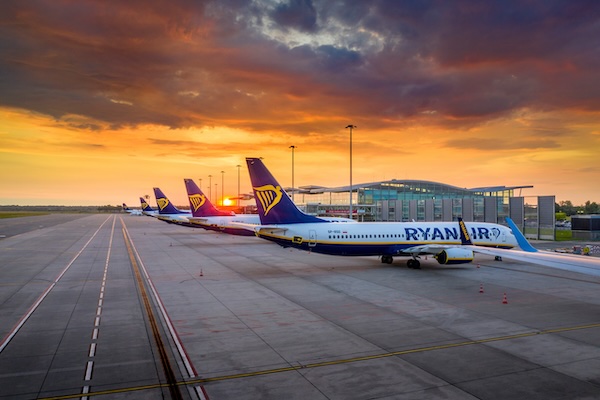

Ryanair is preparing for significant growth in the UK market, projecting a 22% increase in passenger numbers by 2030. This would raise their annual traffic to 65 million passengers.
The low-cost airline’s expansion plans involve new aircraft, job creation, and calls for policy reform to improve the current aviation landscape. Their projections are based on data from a recent report by York Aviation.
Current Passenger Growth Projections
Ryanair has unveiled ambitious plans to increase its UK passenger numbers from 53 million in 2023 to 65 million by the end of the decade. This forecast represents a substantial 22% growth and positions the airline to strengthen its presence in the UK aviation sector.
According to Michael O’Leary, Ryanair’s CEO, these figures reflect not only the airline’s past successes but also its strategy to invest in the future by expanding routes and updating its fleet.
Economic Contributions and Infrastructure
An independent report by York Aviation highlights Ryanair’s contribution of £14 billion annually to the UK economy, supporting 98,000 jobs across various regions. This economic impact underscores the airline’s role as a major player in the UK’s economic landscape.
Michael O’Leary emphasised that Ryanair’s growth is intertwined with broader economic objectives, including job creation and infrastructure development. It’s clear that the airline’s expansion plans will have far-reaching effects on the UK’s economy.
New Aircraft and Job Opportunities
Ryanair plans to introduce twenty new Boeing 737 Max 10 aircraft by the decade’s close. These aircraft are noted for being more fuel-efficient and quieter, aligning with the airline’s commitment to sustainable growth.
With the addition of these aircraft, Ryanair aims to create over 1,000 new jobs for pilots, cabin crew, and engineers. The introduction of these roles is integral to supporting the airline’s expanding operations in the UK.
Policy Challenges and Recommendations
Despite its growth ambitions, Ryanair faces significant challenges related to Air Passenger Duty (APD) and air traffic control systems. O’Leary has been vocal about the need to abolish APD, describing it as an unjust tax burden on passengers and a hindrance to further growth.
Ryanair advocates for reforms in the air traffic control sector, specifically targeting inefficiencies in the National Air Traffic Services (NATS). The airline believes that transforming NATS leadership could improve service and reduce operational costs.
Impact on Tourism and Regional Development
Ryanair’s increased UK traffic is expected to boost tourism, with European visitors spending billions annually in the UK. This influx benefits local economies and supports regional job creation, enhancing the country’s overall economic health.
The airline’s connectivity enhancements are anticipated to attract more international tourists to various UK regions, driving development and bolstering regional economies.
Strategic Investments in Infrastructure
Ryanair’s strategy includes investing in infrastructure, such as the new engineering training facility at Prestwick. These investments are seen as crucial to supporting the airline’s long-term operations and growth ambitions.
Such infrastructure developments not only facilitate Ryanair’s expansion but also contribute to the UK’s skill development in the aviation sector. This aligns with the government’s broader economic development goals.
Future Outlook
The decade ahead promises dynamic growth for Ryanair in the UK, reinforced by strategic investments and policy advocacy. By addressing existing challenges and enhancing operations, Ryanair positions itself for continued success in the competitive aviation market.
Ryanair’s bold projections and strategic initiatives signal a promising future for UK aviation. The airline’s focus on efficiency, economic impact, and sustainable growth sets a strong foundation for continued success and contribution to the UK’s economy.
