
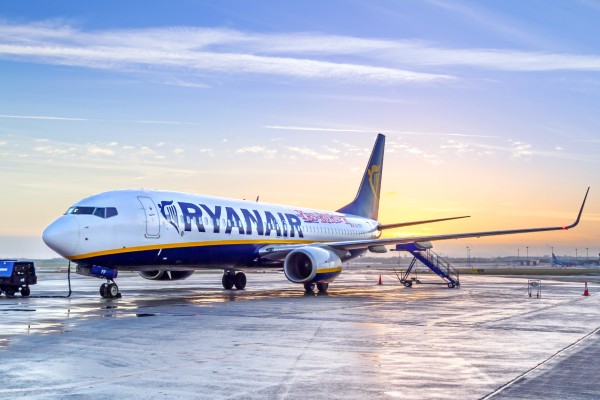

Ryanair has made a calculated return to Tel Aviv, reigniting flights from several key European hubs despite ongoing regional conflict.
This decision comes after a temporary suspension influenced by geopolitical tensions, with the airline opting for a reduced capacity to ensure safety and compliance.
Ryanair’s Resumption to Tel Aviv
After suspending its flights during the winter due to the ongoing Israel-Gaza conflict, Ryanair has recommenced services to Tel Aviv from strategic European destinations, including Austria, France, Germany, and Italy. However, these flights are operating with diminished capacity, marking a cautious yet hopeful return to normalcy.
Competition and Context
In a dynamic competitive landscape, Ryanair has outpaced its budget rival, Wizz Air, by restoring its routes to Israel sooner. Wizz Air plans to resume its Tel Aviv services from Luton airport and other European locations starting March 1, reflecting a phased approach to reinstating its presence in the region. British Airways and Virgin Atlantic are set to resume their services much later, towards the end of March.
Strategic Decisions Amidst Conflict
At the heart of Ryanair’s operational strategy lies a careful evaluation of regional stability and demand. With safety parameters guided by the European Union Aviation Safety Agency (EASA), the airline has aligned its decision to resume flights with those of several other European carriers, such as Lufthansa, Air France, Austrian Airlines, Swiss, and LOT. This synchronisation underscores the collaborative efforts within the aviation industry to restore connectivity in a region fraught with challenges. The delicate nature of such resumption strategies highlights both the opportunities and risks involved.
Passenger Trends and Market Impact
Despite the turbulence faced in January, Ryanair recorded a three per cent year-on-year increase in passenger numbers, reaching 12.2 million. This growth occurred even as the airline cancelled over 950 flights, illustrating a resilient demand for air travel amidst geopolitical tensions. Concurrently, Wizz Air experienced an impressive rise of over 14% in its passenger carryings for the same month, totalling 4.7 million passengers. These figures signal a robust recovery trajectory in the airline sector, fuelled by pent-up travel demand. Such metrics are indicative of consumer confidence slowly rebounding as airlines adapt to the prevailing uncertainties.
Ryanair’s Operational Adjustments
The airline’s statement highlighted the phased approach to resuming operations, emphasising a strong adherence to international standards and the decisions of other European airlines in returning services to Tel Aviv.
Regional Airline Contributions
Such concerted efforts underline the importance of international cooperation in revitalising air travel networks, fostering confidence among passengers, and ensuring that critical air links remain operational during complex geopolitical situations. The partnerships formed in this context serve as a testament to the resilience of the aviation sector.
Outlook for Future Operations
Continued monitoring of the geopolitical climate and collaboration with international aviation authorities will be crucial in determining the pace at which full operations can be restored.
Conclusion
As Ryanair leads a tentative return to Tel Aviv, supported by strategic moves from other airlines, the aviation sector exhibits cautious optimism. The road to full recovery is paved with numerous challenges, yet the collective efforts of airlines and regulatory bodies suggest a pathway to stabilisation and growth.
The reintroduction of these critical routes by Ryanair and other airlines marks a strategic step towards normalising operations amidst uncertainty.
Continued vigilance and coordination with international aviation bodies will be essential in facilitating a sustainable recovery.
