
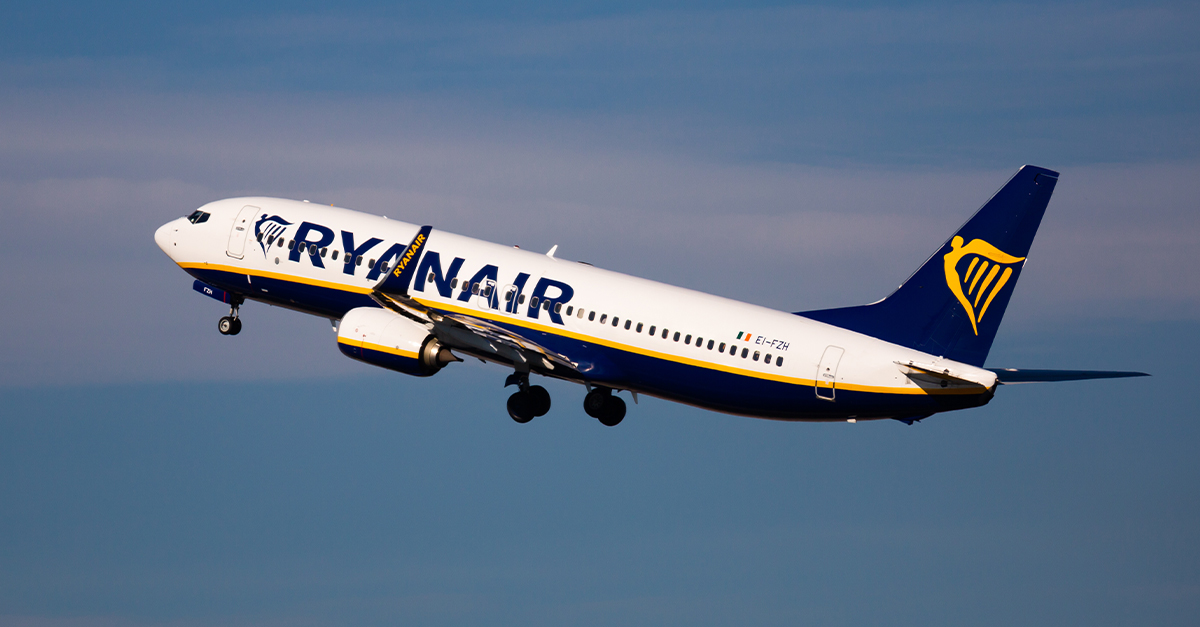

Ryanair is set to resume its flights to Tel Aviv after resolving a terminal access dispute.
This decision follows the reopening of Terminal 1 at Ben Gurion International airport, effective June 3.
Background and Context
Ryanair has announced the resumption of flights to Tel Aviv, following a disruption earlier this year. The decision to halt services was initially caused by a conflict over airport charges at Ben Gurion International airport, compounded by the situation in Gaza. After resuming on February 1, flights were once again suspended due to the closure of a dedicated low-cost terminal. This development affected several European routes Ryanair had reintroduced.
Airport Terminal Dispute
The key issue leading to the suspension was the closure of Terminal 1 at Ben Gurion International airport, which is reserved for low-cost carriers. Ryanair had communicated their concerns to the airport management, demanding clarity on when the terminal would reopen. The airline stated that without access to Terminal 1, it could not operate its low-cost flights effectively, impacting its business model and passenger convenience.
Resumption of Services
In a significant update, Ryanair confirmed that flights will resume from June 3, following the reopening of Terminal 1. This decision comes as a relief to passengers and the airline alike, promising greater connectivity to and from Tel Aviv. The airline plans to operate 40 flights per week connecting Athens, Bari, Berlin, Budapest, Malta, Milan, and Paphos with Tel Aviv. This resumption not only restores Ryanair’s presence in the region but also enhances the travel options available to passengers.
Competition in the Market
Ryanair is not the sole airline resuming services to Tel Aviv. EasyJet has already restarted flights from Luton airport, and British Airways from Heathrow. Meanwhile, Wizz Air marked the reinstatement of its flights on March 1. However, Virgin Atlantic has announced that its services from Heathrow to Tel Aviv will remain suspended until September 4. These developments reflect a competitive and dynamic market for air travel to and from Tel Aviv, crucial for business and leisure travellers alike.
Statements from Ryanair
A Ryanair spokesperson expressed optimism about the reopening of Terminal 1, describing it as “great news” for the airline’s operations. The spokesperson highlighted that this move would enable Ryanair to maintain its low-fare services, aligning with the company’s core strategy. The airline’s commitment to providing affordable travel options continues to be a defining aspect of its market approach.
The reintroduction of flights signals Ryanair’s strategic intent to strengthen its market share in the face of emerging competition. By leveraging Terminal 1’s facilities, the airline aims to deliver seamless service to its passengers, enhancing the overall travel experience. This development underscores Ryanair’s adaptability to changing operational landscapes and commitment to passenger satisfaction.
Impact on Passengers
The resumption of Ryanair’s flights to Tel Aviv is expected to benefit travellers by offering more affordable flight options and increased frequency of services. This development is particularly significant for budget-conscious passengers who depend on low-cost carriers for international travel. Additionally, the expanded network and flight availability are poised to facilitate leisure and business travel, strengthening economic ties between the connected cities.
Future Prospects
Looking ahead, Ryanair plans to capitalise on the reopened terminal to expand its services further, potentially adding new destinations. The reopening of Terminal 1 is also anticipated to attract more low-cost airlines to the region, increasing competition and offering more choices to passengers. This could potentially lead to lower fares and improved service quality across the board.
As Tel Aviv’s connectivity strengthens, it is likely to see a boost in tourism and business activities, benefiting both the local economy and international partnerships. Ryanair’s proactive stance in adapting to changing market conditions illustrates the airline’s capacity for resilience and growth in the ever-competitive aviation industry.
Ryanair’s return to Tel Aviv signals a renewed opportunity for bolstering connectivity and competition.
The planned 40 weekly flights are poised to enrich the travelling experience and expand network options.
