

Leading figures in the aviation industry have expressed strong disapproval regarding the European Commission’s recent agreement on airspace reform.
The criticism centres on the Single European Sky (SES2+) deal, deemed inadequate by industry chiefs who are calling for more substantial progress.
Airlines Challenge European Airspace Reform
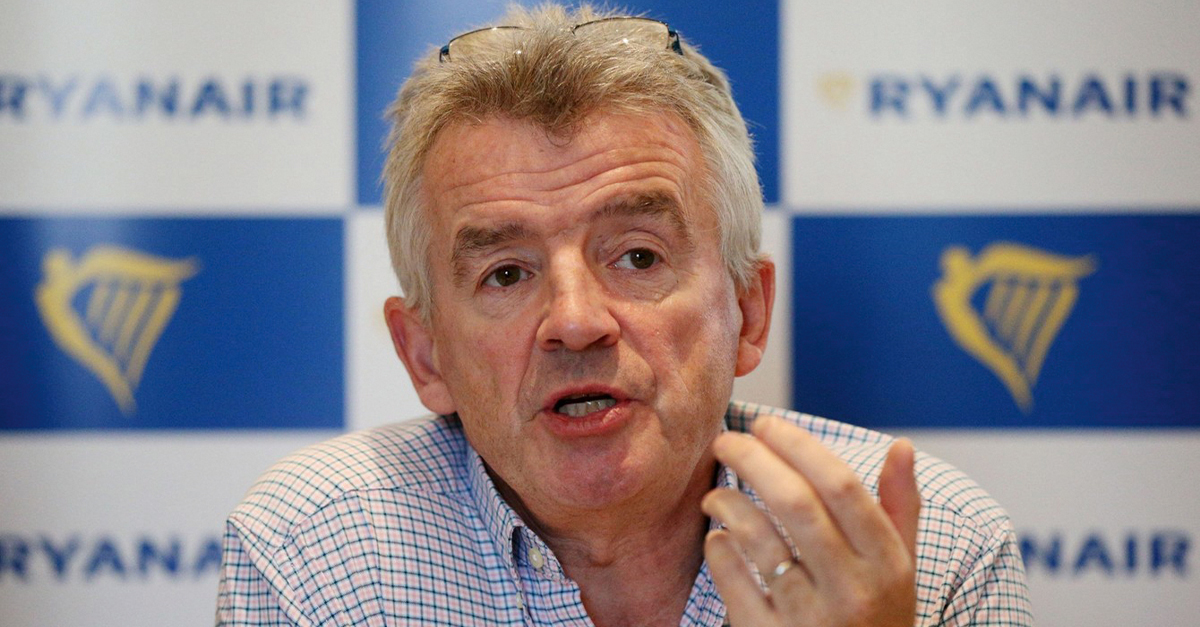
In a recent development, leading airline executives have criticised the European Commission’s agreement on the reform of Europe’s airspace. Notable figures such as Michael O’Leary, Ryanair’s Chief Executive, have expressed their dissatisfaction, dismissing the recent Single European Sky (SES2+) deal as mere “lipstick on a pig”. The agreement, purportedly a culmination of years of negotiations, is seen by many industry leaders as insufficient to drive significant change.
Steve Heapy, Chief Executive of Jet2, echoed these sentiments by highlighting the lack of substantial progress. He citing the prolonged 20-year discourse on airspace reform without tangible results. He stressed the necessity for immediate action to achieve a 10%-15% reduction in fuel emissions, a critical step for the industry’s sustainability. Yet, he contends that the current agreement amounts to little more than “baby steps”.
The Case for Airspace Efficiency
Johan Lundgren, Chief Executive of easyJet, added his voice to the chorus of disapproval. He pointed out the long-standing opportunities to enhance airspace efficiency, primarily to reduce carbon emissions and minimise disruptions affecting millions of passengers every year. In 2023 alone, European airlines suffered a staggering 10 million minutes of delays, equivalent to 20 years of delays collectively, which could be remedied with decisive action.
The persistence of outdated air traffic corridors, established post-World War II, exacerbates the inefficiency. Lundgren insists that with governmental accountability, such systemic issues could be swiftly rectified, averting unnecessary delays and emissions.
Impact on Airline Credibility
Carsten Spohr, Chief Executive of Lufthansa, strongly argued against the inefficiencies resulting from the absence of unified European airspace. He pinpointed the detrimental impact on airline credibility, particularly when airlines pledge to cut CO2 emissions while being impeded by inefficient air traffic control systems.
Credibility, Spohr argued, is essential for publicly traded companies, unlike political entities where accountability appears less stringent. The gap between political promises and corporate realities, he implied, undermines corporate efforts to reduce environmental footprints.
A Unified Call for Reform
The Airlines for Europe (A4E) Summit in Brussels served as the stage for these airline leaders to voice their collective concerns. The consensus was clear: there is a pressing need for the European Union to expedite airspace reform to enhance operational efficiency and environmental sustainability.
This unified call for reform signals a critical moment for EU policymakers to act swiftly. The airline industry demands significant policy shifts to address the lingering inefficiencies and realise a truly integrated airspace system.
Historical Context and Ongoing Challenges
The concept of a Single European Sky dates back to the early 2000s, an initiative intended to unify fragmented airspace management across Europe. However, progress has been thwarted by national interests and bureaucratic hurdles, resulting in incremental changes rather than sweeping reforms.
While the SES2+ agreement aims to initiate improvements, critics argue that it fails to address the fundamental issues plaguing European airspace. Continual delays and inefficiencies remain, prompting industry leaders to push for more aggressive advancements. Moreover, the aviation sector’s role in contributing to environmental concerns intensifies the urgency for comprehensive reform.
Environmental Implications
A modernised air traffic management system holds promise not only for operational efficiency but also for environmental stewardship. Reducing unnecessary fuel consumption is critical for lowering aviation’s carbon footprint. The inadequacy of current reforms poses a significant barrier to meeting these environmental commitments.
Airlines argue that aligning airspace reform with environmental goals could serve as a major step forward in sustainable aviation. The integration of advanced technologies and restructuring of air routes are pivotal actions needed to align with global environmental objectives.
Urgency in Policy Action
As the European elections approach, the aviation industry remains hopeful yet sceptical about potential policy breakthroughs. The A4E’s call to action underscores the critical need for legislative support to catalyse the long-overdue transformation of Europe’s airspace.
The current situation leaves little room for complacency, emphasising that concrete actions must replace political rhetoric to achieve the desired outcomes in efficiency and sustainability.
In conclusion, the persistent calls for reform highlight the urgent need for substantive change in European airspace management.
The aviation industry’s unified stance emphasises the necessity for legislative action to bridge the gap between political ambitions and industry realities.
