
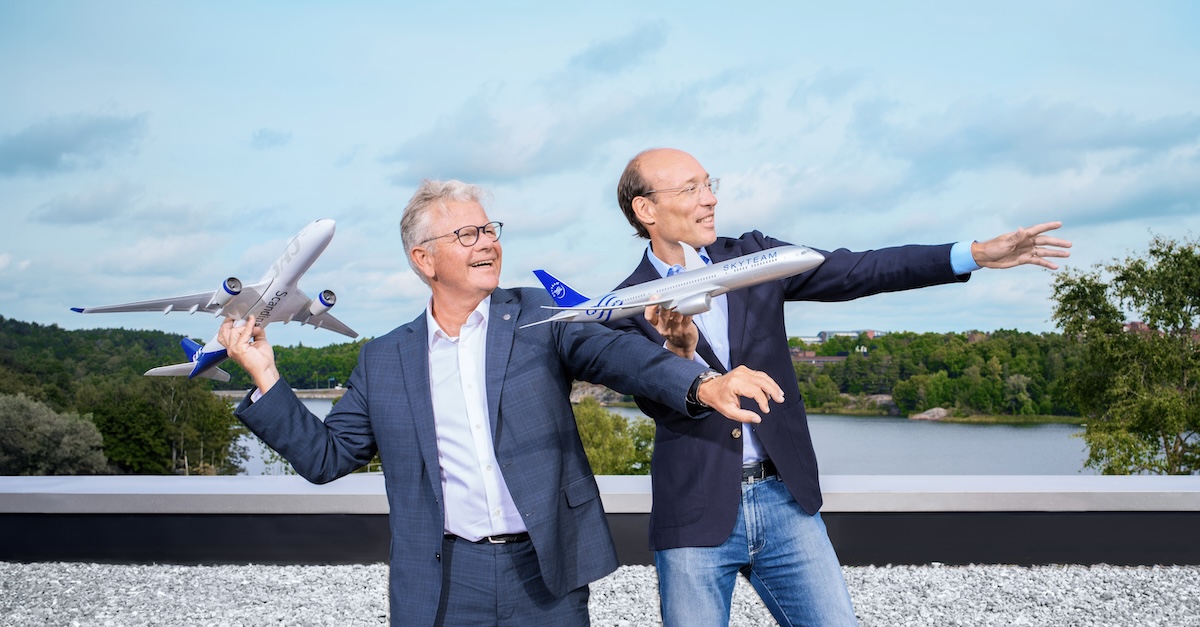

Scandinavian Airlines (SAS) has embarked on a significant transformation by aligning with the SkyTeam global airline alliance, marking a departure from its prior affiliation with Star Alliance. This move coincides with the airline’s emergence from bankruptcy protection.
This strategic realignment not only signifies a new chapter for SAS but also promises enhanced global connectivity for its customers. Joining forces with SkyTeam is anticipated to provide SAS with a competitive edge in the increasingly interconnected aviation landscape.
Strategic Shift to SkyTeam
SAS has made a strategic move by joining the SkyTeam global airline alliance, leaving behind its previous commitment to Star Alliance. This transition follows the airline’s escape from US Chapter 11 bankruptcy protection and is part of its comprehensive restructuring efforts. The decision was significantly influenced by a consortium led by Air France-KLM, a SkyTeam founding member, providing SAS with a crucial $1.1 billion lifeline. This alliance is expected to enhance connectivity for travellers by offering access to over 1,000 destinations worldwide.
Enhanced Connectivity and Opportunities
The membership in SkyTeam positions SAS to provide seamless travel experiences, particularly opening new routes in Africa, Latin America, and the Caribbean. Current codeshare agreements with Air France-KLM mark the beginning of broader partnerships with additional SkyTeam airlines. This shift allows SAS to offer its customers expanded global reach, potentially increasing its market share in previously underserved regions. The operational synergy with SkyTeam members is anticipated to streamline services, thus benefiting passengers significantly.
Leadership and Vision
Commenting on the development, Anko van der Werff, SAS’s Chief Executive, highlighted that the integration into SkyTeam heralds a new era for the airline, emphasising teamwork and collaborations with like-minded partners. He remarked, “Our customers will experience a smooth transition, thanks to the dedicated efforts of our SAS colleagues.” Patrick Roux, CEO of SkyTeam, echoed similar sentiments, underscoring the alliance’s commitment to seamless travel experiences and exceptional value for customers and partners alike. This leadership perspective aims to reassure stakeholders of the benefits of this strategic alignment.
Frequent Flyer Benefits
For frequent flyers, SAS’s entry into SkyTeam brings several benefits, particularly for members of its EuroBonus programme. Members can now earn and redeem points across most SkyTeam airlines, enhancing their travel rewards. EuroBonus Silver members are now recognised as SkyTeam Elite, while Gold and Diamond members enjoy Elite Plus status. This elevation ensures priority services, lounge access, and increased recognition within the alliance network, thus providing a competitive edge over other loyalty programmes. Such benefits are expected to attract a larger customer base.
SkyTeam’s Global Reach
By incorporating SAS, SkyTeam now uniquely connects the southernmost and northernmost airports globally, from Ushuaia in Argentina to Svalbard in Norway. This extension enhances accessibility to the Scandinavian hubs of Copenhagen, Stockholm, and Oslo. The inclusion of SAS strengthens SkyTeam’s presence in Northern Europe, complementing its service offerings in other markets. Furthermore, the global network ensures that passengers onboard SAS can experience a unified travel offering, aligned with SkyTeam’s global standards. It reflects SkyTeam’s strategy to amplify its market positioning globally.
Implications for the Star Alliance
SAS’s departure from Star Alliance presents a notable shift in airline alliance dynamics. Despite this change, Star Alliance remains committed to Scandinavia, ensuring passengers continue to receive robust travel options in the region. However, the loss of SAS could potentially lead to a decrease in network coverage and competitiveness for Star Alliance in Northern Europe. This might prompt Star Alliance to seek new partnerships or strengthen existing ones within the region to fill the gap left by SAS.
Future Prospects for SAS
As SAS fully immerses itself in the SkyTeam alliance, the focus will likely be on leveraging the extensive network to boost its operational efficiency and market presence. This move is expected to aid in SAS’s recovery post-bankruptcy, enabling it to capitalise on expanded routes and improved service integration. However, SAS must navigate the complexities of aligning its existing infrastructure with that of its new partners to maximise benefits. It remains to be seen how quickly SAS can adapt and thrive in this new collaborative environment.
SAS’s integration into SkyTeam marks a pivotal development in its operational strategy, offering improved opportunities for growth and enhanced passenger experiences. As the airline navigates this new alliance, its customers can look forward to a more comprehensive and integrated travel network.
The move highlights the dynamic nature of airline alliances, where strategic partnerships are key to survival and success in a challenging industry environment.
