
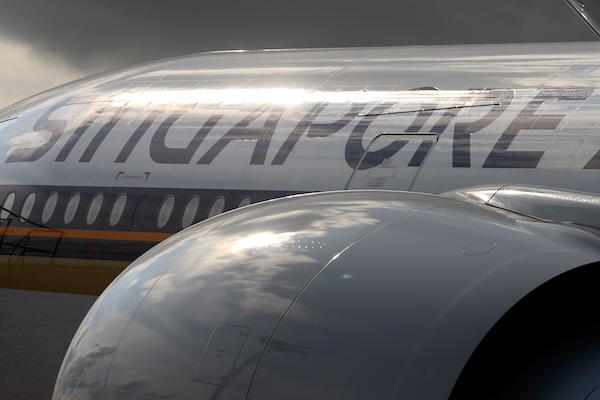

In a recent incident, a Singapore Airlines flight encountered severe turbulence leading to a sudden altitude drop. The aircraft lost 178 feet in a swift descent, resulting in multiple injuries.
This unforeseen event took place above Myanmar and has prompted investigations by aviation authorities. The turbulence was significant enough to divert the flight, underscoring the seriousness of the situation.
Incident Details
A Singapore Airlines flight travelling from London faced unexpected severe turbulence, causing a drastic altitude change of 178 feet in under five seconds. The incident occurred as the aircraft traversed Myanmar’s airspace at 37,000 feet, causing a wave of panic among passengers and crew.
The sudden turbulence was characterised by a rapid vertical shift, changing from a negative force of 1.5G to a positive force of 1.5G within a span of four seconds. This sudden shift resulted in unbelted passengers being lifted towards the overhead compartments and then forcefully thrust back down, as supported by preliminary investigation findings.
Casualties and Injuries
Tragically, a 73-year-old British passenger succumbed to the incident, marking a sombre turn for the flight originally destined for Singapore. Following the turbulence, the flight was rerouted to Bangkok for emergency medical assistance.
Numerous passengers sustained injuries, some critically, with a total of 26 individuals requiring hospitalisation upon landing. The report indicated that most injuries were caused by passengers being flung from their seats due to not wearing seatbelts.
Technical Analysis
Preliminary investigations by Singapore’s Transport Safety Investigation Bureau focused on the mechanical and environmental aspects that contributed to the turbulence.
Findings indicate that powerful air currents, while the aircraft was at cruising altitude, triggered the turbulence. Such atmospheric phenomena are unpredictable and can severely impact flight stability, as demonstrated in this incident.
The bureau is conducting further in-depth analyses to determine if any mechanical faults existed or if the turbulence was purely a result of natural climatic conditions.
Response from Singapore Airlines
Singapore Airlines responded promptly, extending full cooperation to investigators to ascertain the precise cause of the incident. They have emphasised their commitment to enhancing safety measures to prevent recurrence.
The airline has assured all affected passengers and crew, offering comprehensive support, which includes covering medical expenses and providing additional assistance as necessary.
Expressing gratitude towards the Thai and Singaporean governments, as well as various global partners, Singapore Airlines reiterated their dedication to passenger welfare amidst unforeseen adversities.
Safety Protocols
The incident underscores the critical importance of adhering to safety protocols, notably the use of seat belts during flights. Safety procedures are crucial in averting severe injuries during such unexpected events.
Singapore Airlines is reviewing its in-flight safety guidelines, seeking to enhance passenger education and awareness regarding safety measures.
Continuing prioritisation of safety training for crew members is a key focus to ensure comprehensive preparedness for sudden incidents like turbulence.
Government and Public Reaction
Both Singaporean and Thai authorities have praised the efforts taken by the airline and medical teams for their swift response.
The incident has sparked discussions on aviation safety and the potential need for regulatory reviews to address turbulence-handling and emergency protocols.
Public sentiment remains divided, with calls for airlines to improve communication regarding turbulence risks and the importance of compliance with safety instructions.
Conclusion
The Singapore Airlines turbulence incident is a stark reminder of the unpredictable nature of flight, highlighting the importance of rigorous safety measures.
Ongoing investigations will play a crucial role in understanding the incident’s root causes, potentially guiding future safety enhancements.
This event has served as a critical learning point for both airlines and authorities, emphasising the need for constant vigilance and adherence to safety protocols.
The findings of the ongoing investigation may lead to improved safety measures, benefiting the future of air travel.
