
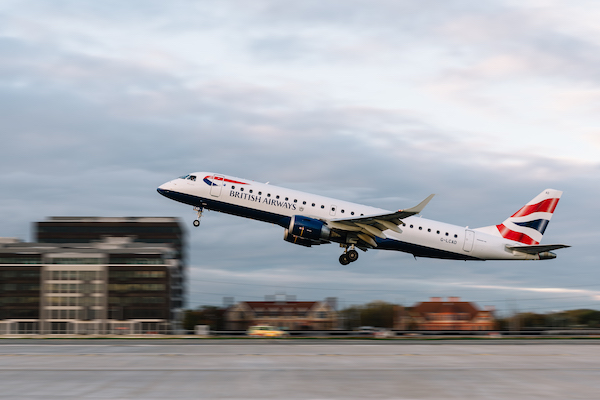

The Supreme Court’s decision reaffirms the protection of air passengers’ rights amidst operational challenges faced by airlines.
This landmark ruling in the Lipton vs BA Cityflyer case sets a new precedent for handling flight delay compensations.
Background of the Landmark Ruling
The recent ruling by the Supreme Court marks a pivotal moment in the realm of air travel compensation. The case of Lipton vs BA Cityflyer highlighted the challenge passengers face when seeking redress for flight delays caused by unforeseen circumstances such as pilot illness.
Kenneth and Linda Lipton embarked on what seemed to be a routine flight from Milan to London in January 2018, which turned into a protracted legal struggle. It was due to an unexpected pilot illness that caused their flight to be cancelled, leading to an alternative flight that arrived two hours and 36 minutes late.
Legal Proceedings and Judgements
Initially, the Liptons’ claim for €250 (£220) under EU Regulation 261 was dismissed not once, but twice, demonstrating the complexities involved in passenger compensation claims. However, persistence paid off when the Court of Appeal found in their favour, a decision BA Cityflyer subsequently challenged.
BA Cityflyer’s defence relied on classifying the pilot’s illness as an ‘extraordinary circumstance’ under Regulation 261, which allows airlines to avoid compensation if a flight disruption couldn’t be avoided despite reasonable measures. The Supreme Court, however, unanimously rejected this, seeing crew illness as part of the airline’s operational risks.
The Supreme Court’s dismissal of the appeal was clear: the absence of the pilot due to illness did not constitute an extraordinary circumstance. The court underscored that such situations are normal in business operations, thereby reinforcing consumers’ rights under EU law.
Implications for Airlines and Passengers
This decision is far-reaching. Bott and Co, representing over 1,000 clients, assert that this outcome paves the way for numerous passengers to claim their rights under EU Regulation 261, potentially altering the landscape of flight delay compensations.
Bott and Co’s solicitor Coby Benson remarked that the judgment is a significant step towards ensuring airlines uphold their obligations to passengers. He emphasised the need for airlines to maintain adequate staffing to prevent similar disruptions and to compensate passengers fairly when such issues occur.
Rocio Concha from the consumer association Which? echoed these sentiments, stressing the importance of clear rules to prevent airlines from avoiding compensation for what should be considered routine disruptions. She called for enhanced powers for the Civil Aviation Authority to enforce these rulings effectively.
Regulatory and Consumer Advocacy
The ruling prompts a wider reflection on consumer rights and the regulatory frameworks that support them. The Civil Aviation Authority (CAA) has been urged to assume a more robust role in ensuring compliance with compensation regulations, as promised by previous administrations.
Strengthening the CAA’s authority is crucial, argued Concha, who pointed out the frequent struggles passengers face in securing due compensation despite clear entitlements. This decision underscores the necessity of such empowerment to hold airlines accountable.
This judgement not only protects consumers but also pressures airlines to adhere to their operational commitments. As we move into peak travel seasons, such rulings gain increased significance, ensuring smoother experiences for travellers.
Industry Reactions and Future Outlook
In response to the ruling, a BA spokesperson expressed disappointment but acknowledged the court’s decision. This sentiment is shared across the aviation industry, as airlines reassess staffing protocols to align with the implications of this judgement.
The industry must reflect on this verdict as a call to action. Reinforcing staff availability strategies and enhancing passenger communication could mitigate similar occurrences in the future, ensuring robust operational frameworks.
Overall, the ruling offers a stark reminder of the importance of prioritising consumer rights while balancing operational challenges. The verdict is expected to usher in more passenger-friendly practices across airlines operating under EU regulations.
Conclusion of the Case
The conclusion of the Lipton case highlights a significant victory for air passengers, setting a precedent that extends beyond individual claims. It reiterates the courts’ commitment to uphold consumer rights, ensuring no passenger is left without due consideration.
The case exemplifies the balance between operational challenges faced by airlines and the rights of consumers, a balance which must be diligently maintained moving forward.
The Supreme Court’s decision in the Lipton case is a transformative step in ensuring fair compensation for air travel disruptions.
As airlines adapt to this ruling, passengers can anticipate improved adherence to their rights.
