
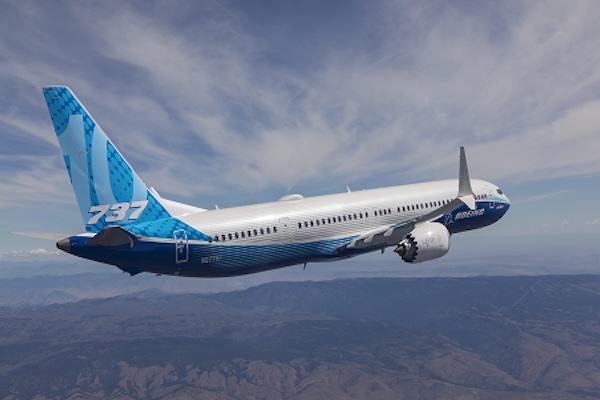

In a significant development, over 30,000 Boeing aircraft workers have voted to commence strike action.
This decision comes as the workforce, primarily involved in the production of models like the 737 Max and 777, overwhelmingly rejected a proposed contract that included a 25% pay increase.
The decision to strike by Boeing employees marks the first in 16 years at the company and underscores deep-seated dissatisfaction among workers. The vote saw nearly 95% rejecting the contract offer, with a staggering 96% endorsing strike action. This movement by the International Association of Machinists (IAM) signifies the workers’ demand for better terms beyond the proposed pay raise.
Union President Jon Holden stated, “This is about fighting for our future.” It highlights the workers’ concern for long-term job security and fair compensation.
Despite the leadership’s efforts, the overwhelming vote against the proposal indicates entrenched scepticism among the workforce.
Boeing has not yet released an official comment on the strikes, leaving stakeholders to speculate on potential responses or resolutions.
Moreover, the ripple effects could extend to airlines dependent on Boeing’s timely aircraft deliveries, potentially affecting their operational capacities.
Airlines reliant on Boeing’s new models could face operational challenges, pushing them to adjust strategies or seek alternative suppliers.
Resolving this conflict swiftly is crucial to mitigating further disruptions.
The Boeing strike underscores a burgeoning crisis between corporate visions and employee welfare demands.
As negotiations continue, the aviation industry braces for the widespread impact that these labour disputes might entail.
