
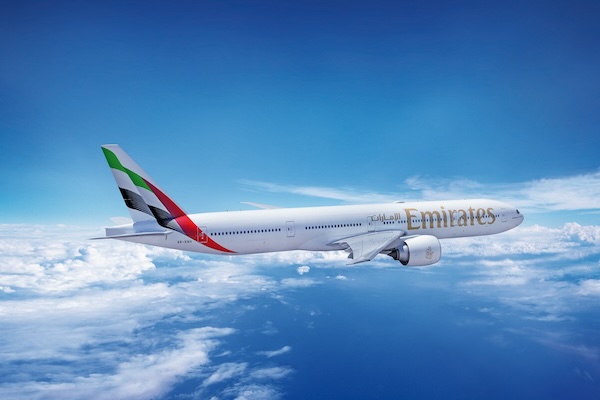

Emirates is enhancing connectivity to Madagascar with a new route via Dubai, set to begin on September 3. This development is expected to open up significant opportunities for tourism and trade.
Linking Antananarivo with Dubai, the route promises to boost Madagascar’s visibility on the global stage, leveraging Emirates’ extensive network. The collaboration signifies an important move for the region, offering travelers increased accessibility to the island’s unique biodiversity.
Expanding Horizons
Emirates is set to broaden its global reach by introducing a new route to Madagascar, augmenting its existing Seychelles service. This strategic expansion, commencing from September 3, will offer four weekly flights, connecting the vibrant city of Antananarivo to the extensive Emirates network. By linking Madagascar through Dubai’s significant hub, passengers can access over 140 destinations worldwide, making travel to this uniquely biodiverse island more feasible than ever.
Potential of Dual Destinations
The new flight path allows travellers the unique opportunity to explore both the Seychelles and Madagascar in one seamless journey. Operating on Tuesdays, Thursdays, Saturdays, and Sundays, this schedule caters to diverse traveller preferences. Passengers can relish in the pristine beaches of Seychelles and the lush ecosystems of Madagascar, capitalising on the convenience of a single airline connection through Emirates.
Market Dynamics and Expectations
According to Adnan Kazim, Emirates’ Deputy President and Chief Commercial Officer, there is a significant demand for eco-tourism, with Madagascar being a prime destination for such experiences. “Madagascar has historically been underserved,” he noted, emphasising the growing interest among travellers seeking authentic adventures. This service is anticipated to bolster Madagascar’s connectivity, enhancing its appeal as a destination and potentially driving growth in international tourism and associated business ventures.
The Malagasy government has been actively involved in efforts to bolster the tourism sector, recognising its potential to attract tourists to experience the island’s renowned biodiversity. With Emirates’ support, these initiatives are expected to flourish, providing economic benefits and fostering international interest.
Strategic National Collaborations
Manambahoaka Valéry Ramonjavelo, Madagascar’s Minister of Transport, has described the new route as a ‘significant step forward’ for both tourism and trade development between Madagascar and the UAE. This agreement symbolises the strengthening bilateral ties and an openness to global connectivity through Dubai, a major international hub. This collaboration expects to showcase Madagascar’s cultural and natural treasures on a global stage, while simultaneously enhancing business opportunities.
With the combination of Madagascar’s national airline and Emirates, enhanced regional connectivity is anticipated. This synergy promises to facilitate smoother and more efficient travel for both leisure and business travellers, thus expanding the economic horizon for Madagascar.
Emirates’ Role in Tourism Development
Beyond merely offering increased accessibility, Emirates aims to play a pivotal role in Madagascar’s tourism agenda. By leveraging its vast network, the airline seeks to bring greater exposure to Madagascar’s unique offerings, from its lush rainforests to exotic wildlife.
Supporting local tourism initiatives is a core element of Emirates’ strategy, as evidenced by their commitment to promoting Madagascar as a prime destination. This development aligns with global trends in tourism, where unique and authentic travel experiences are increasingly sought after.
Emirates’ involvement is also seen as a catalyst for economic development within Madagascar. By attracting more international visitors, there is potential for increased foreign investment and improved local infrastructure, both of which are essential for sustainable tourism growth.
Future Prospects and Challenges
While the new route presents numerous opportunities, it also poses challenges that need addressing. Ensuring sustainable tourism practices will be crucial in preserving Madagascar’s natural allure. The government and Emirates must work collaboratively to implement policies that balance growth with environmental conservation.
The introduction of this route is expected to spur economic activities, particularly in tourism and hospitality sectors. However, ensuring that such growth does not compromise Madagascar’s ecological integrity will be vital. Strategic frameworks focusing on sustainability are necessary to guide this expansion responsibly.
Conclusion
The launch of Emirates’ new route to Madagascar signifies a new era of connectivity and opportunity for the island nation. As tourism potential unfolds, stakeholders must prioritise sustainable practices to ensure long-term benefits. With enhanced accessibility and international interest, Madagascar’s future in global tourism looks promising.
The new Emirates route is poised to transform Madagascar’s connection with the world, fostering both tourism and commerce. As the route commences, ensuring sustainable tourism will be key to preserving the island’s natural beauty, while reaping the benefits of increased international attention.
In the face of these opportunities, strategic partnerships and responsible tourism practices will be essential. Madagascar stands on the brink of unprecedented exposure and growth, a moment to embrace with careful planning and ambition.
