
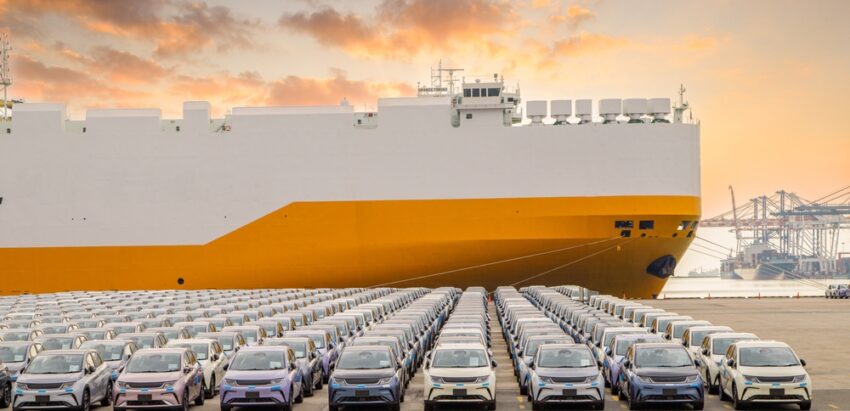

The European Union has decided to implement tariffs on Chinese electric vehicles, a move that has sparked considerable debate within the bloc.
This decision, driven by a desire to counter perceived unfair subsidies, faces strong opposition, particularly from Germany. The tariffs have the potential to reshape the dynamics of the EU’s automotive market.
The EU’s decision to impose tariffs results from concerns over China’s substantial subsidies to its electric vehicle (EV) manufacturers. The EU perceives these subsidies as distorting market competition, prompting the introduction of tariffs that range from 7.8% to 35.3% on different Chinese EV models.
The voting revealed stark differences within the EU. While countries like France, Italy, and Poland backed the tariffs, Germany, Hungary, and others stood against them. Spain, along with eleven other nations, chose to abstain, indicating the complexity of the issue.
French automotive entities, however, argue that such tariffs are essential to safeguard European producers from unfair competition, highlighting disparities in production costs and market access between the EU and China.
China’s strategy seems focused on leveraging its significant market position. The ongoing diplomatic engagements between the EU and China aim to defuse tensions, but the situation remains volatile, with economic stakes escalating.
Trade experts suggest that the tariffs could push Chinese EV producers to set up manufacturing units in Europe. This shift might not only alleviate tariff pressure but also foster European employment and technology transfer.
The EU’s strategy is twofold: to foster competitive equity in its markets while maintaining robust trade relations with China. This delicate balance requires careful negotiation and strategic foresight.
The ongoing tariff dispute places EU-China relations at a critical juncture. With trade discussions set to continue, the resolution of this issue is pivotal in shaping future economic interactions between the two powers.
The EU’s decision to levy tariffs on Chinese electric vehicles underscores a significant shift in trade policy. While aimed at ensuring fair competition, the implications of this move are profound, potentially reshaping EU-China economic dynamics and requiring vigilant diplomatic engagement to circumvent an all-out trade conflict.
