
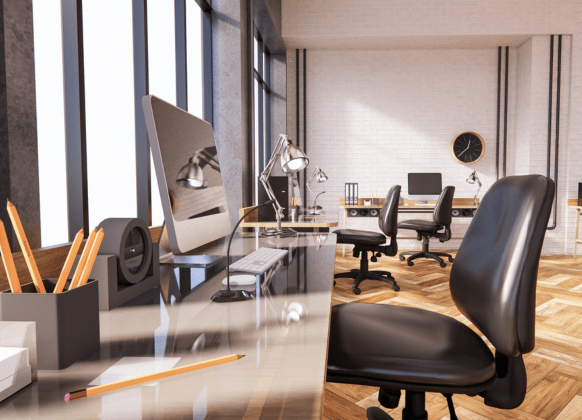

Creating a calm office environment is a strategic move that enhances productivity.
- Implement noise reduction strategies to mitigate stress and promote focus.
- Allow personalisation in the workspace for increased comfort and connection.
- Introduce mindfulness spaces to support employee mental well-being.
- Optimise natural lighting to boost mood and alertness.
Creating a calm office environment transcends mere aesthetics, embodying a strategic approach to enhancing productivity and reducing stress. The psychological impact of office design elements cannot be overstated. By adopting specific strategies that foster a serene atmosphere, workplaces can support mental health while boosting overall employee satisfaction.
Noise reduction emerges as a pivotal element in designing a calm office. Excessive noise often acts as a stress catalyst, undermining focus and productivity. Solutions such as incorporating acoustic panels, rugs, and soft furnishings can effectively absorb sound, while quiet zones or noise-cancelling headphones can offer respite for those requiring uninterrupted work time. Moreover, a tranquil soundscape, possibly enhanced with soothing background music or white noise, further contributes to a calming atmosphere.
Personalisation within the workspace is instrumental in enhancing employee comfort and connection with their environment. When employees introduce personal touches—be it plants, artwork, or desk accessories—they cultivate a sense of ease and belonging. Comfortable, adjustable seating paired with cosy breakout spaces significantly contributes to an overall sense of well-being.
Designating specific areas for mindfulness and relaxation within the office can substantially impact mental health positively. Creating spaces such as meditation rooms, quiet corners with comfortable seating, or zones dedicated to yoga and stretching encourages employees to take breaks to recharge. This practice fosters an environment where mental well-being is prioritised.
Maintaining organisational clarity through a clutter-free environment is crucial. Clutter often leads to feelings of overwhelm and stress, hindering productivity. It is advisable for employees to declutter their desks regularly, and implement ample storage solutions. A minimalistic design in shared spaces promotes a sense of order and tranquillity.
By choosing a neutral and calming colour palette, office spaces can significantly influence the mood and stress levels of employees. Soothing colours like blues, greens, and earthy tones, integrated into wall paints, furniture, and decorations, can evoke a calming effect, whereas avoiding overly bright or jarring colours is recommended to prevent visual stress.
Establishing technology detox zones where employees are encouraged to disconnect from screens is beneficial for promoting mental relaxation and reducing eye strain. These zones should be furnished with comfortable seating to facilitate brief, restorative breaks from technology, thus contributing to improved mental alertness.
Optimising natural lighting within the office setting plays a vital role in employee mood regulation and overall well-being. Strategically positioning desks and communal areas to maximise sunlight exposure can enhance mood, regulate circadian rhythms, and increase alertness among employees. According to Bjørn Polzin, Head of Planning at apoprojekt, the shift away from open space solutions reflects employees’ desires for a balanced office experience that offers both social interaction and a focused work environment.
Implementing expert office design tips can significantly enhance employee productivity and well-being.
