
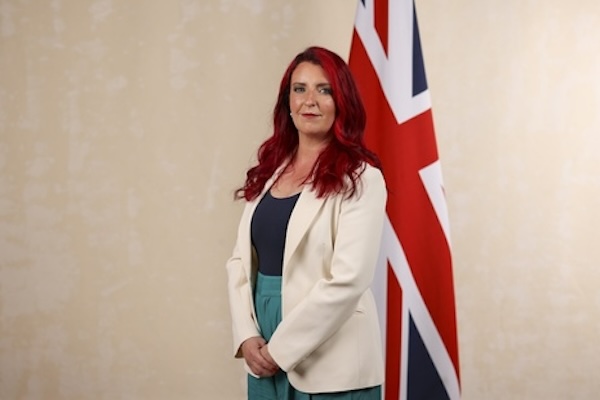

The UK’s transport framework is set for a significant transformation, as announced by the newly appointed transport secretary.
Louise Haigh has outlined an extensive plan focusing on rail and bus services to drive the nation’s transport improvement agenda. This initiative marks what she describes as the ‘biggest overhaul in a generation’.
Newly appointed Transport Secretary, Louise Haigh, has revealed ambitious plans to revolutionise the UK’s transportation sector. Her primary focus targets the enhancement of rail systems and bus services throughout the nation. The aim is to drive significant improvements across all transport modes. However, aviation was notably absent from her initial priorities.
Haigh highlighted five strategic priorities, emphasising rail reform and improved bus service usage. Additionally, her plans include promoting social mobility through transport and addressing regional disparities.
Haigh’s agenda is clearly defined with five strategic priorities. These encompass enhancing railway performance, fostering increased bus service usage, and facilitating comprehensive infrastructure improvements.
The transport secretary stressed the government’s commitment to social mobility and regional equality. Environmental priorities were also addressed, indicating a push towards more sustainable transport solutions.
Importantly, the objective is to bolster integration across transport networks, ensuring seamless connectivity for users nation-wide.
Infrastructure transformation is a cornerstone of Haigh’s plan. By modernising existing systems, the government aims to promote social mobility and tackle regional inequalities.
Such transformations are pivotal to equalising opportunities, ensuring that regions previously neglected receive the necessary resources and attention.
The minister’s approach suggests a commitment not just to infrastructure, but also to strategic social objectives that complement wider governmental aims.
Delivering greener transport solutions forms a crucial part of the reform agenda. This aligns with the government’s broader objective of achieving net zero emissions.
Haigh’s policies strive for a sustainable future, reducing carbon footprints across all transport modalities.
Her strategy encompasses initiatives to both green existing transport options and to promote innovative methods that champion environmental stewardship.
Ensuring better integration within the transport networks is vital to the success of the proposed plans. By fostering connectivity, the government aims to enhance user experience across different modes of travel.
This focus on integration is set to provide more coherent and efficient transport solutions for the public, facilitating seamless journeys.
Furthermore, such integration promises to mitigate common delays and disruptions that currently plague the system.
A strong ministerial team supports Haigh. Mike Kane, known for his aviation expertise, joins as aviation, maritime, and security minister, indicating a robust leadership structure.
Alongside, Lord Hendy of Richmond Hill as rail minister and other key appointments assure a comprehensive capability to steer and implement reforms.
The focus on rail reform is unwavering. By setting this as a primary objective, the hoped-for improvements in railway performance seem promising.
Haigh’s strategy commits to driving changes ‘at pace,’ indicating potential swift advancements.
The transport overhaul spearheaded by Louise Haigh underscores a transformative period for the UK’s rail and bus systems.
With a clear emphasis on integration, sustainability, and social equality, the initiatives promise a more connected and greener transport future.
